Understanding the Buyer’s Journey to Tailor Your Messaging
14 March 2026
Marketing today isn't just about throwing ads into the void and hoping something sticks. It's about understanding your audience and speaking directly to them at exactly the right time. That’s where the buyer’s journey comes in. When you understand what your potential customer is thinking and feeling at each stage of their journey, you can craft your messaging to meet them right where they are.
So, if you're struggling to turn leads into customers, chances are your messaging isn't hitting home. Let’s fix that by diving into the buyer’s journey — step by step — and showing you how to tailor your messages to guide people from "meh" to "must-have!"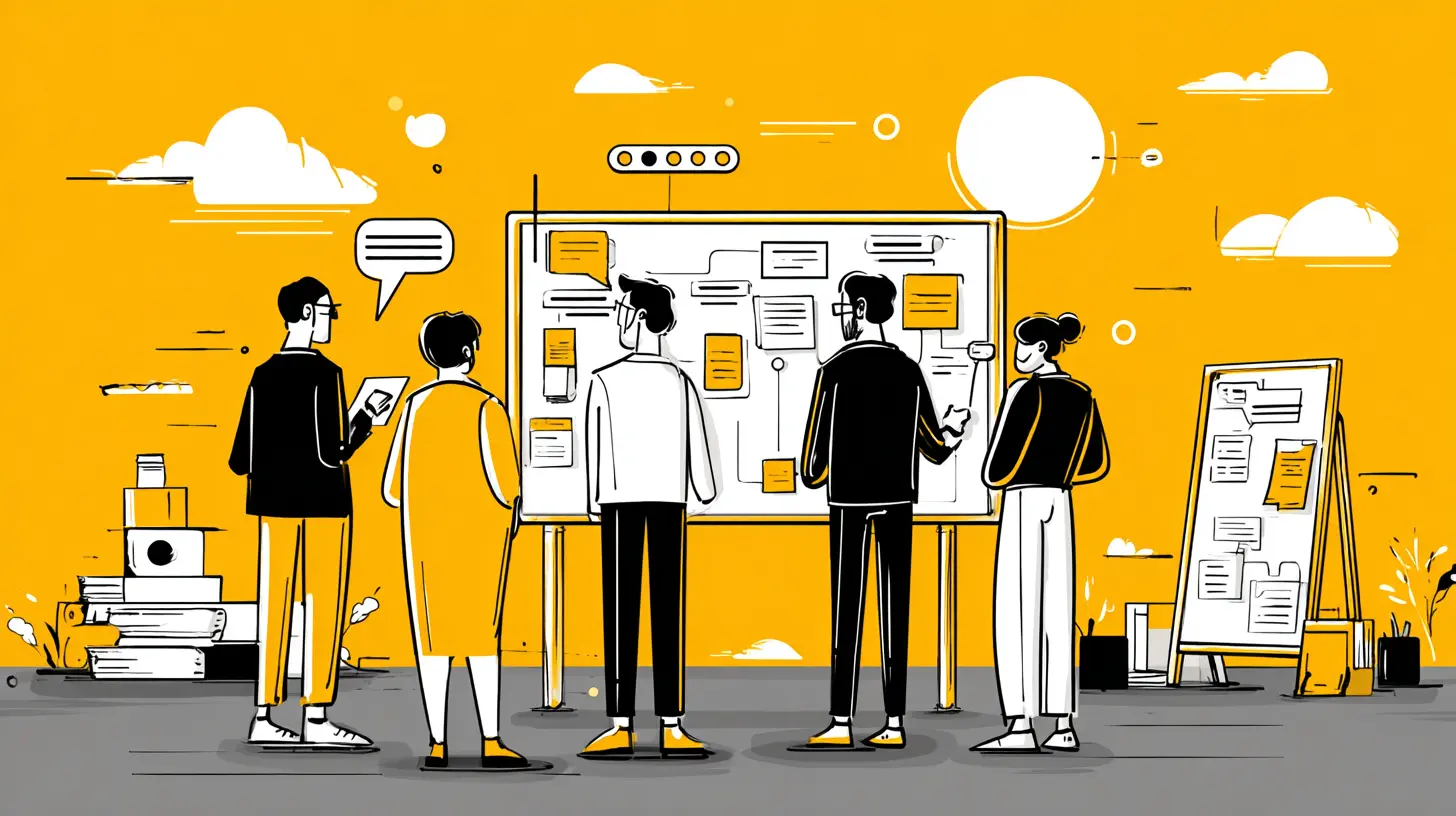
What Is the Buyer’s Journey?
Think of the buyer’s journey as your customer's adventure. It’s the process they go through before making a purchase. From the moment they realize they have a problem to the second they pull the trigger on a solution — that’s the journey.Now, this path is usually broken into three main stages:
1. Awareness Stage – “I’ve got a problem.”
2. Consideration Stage – “Let’s weigh my options.”
3. Decision Stage – “Alright, I’m buying this.”
Each phase calls for a different kind of message. If you try to close a sale when someone’s still trying to figure out what their problem is, you’ll likely scare them off. It’s like proposing marriage on the first date — it’s just too soon.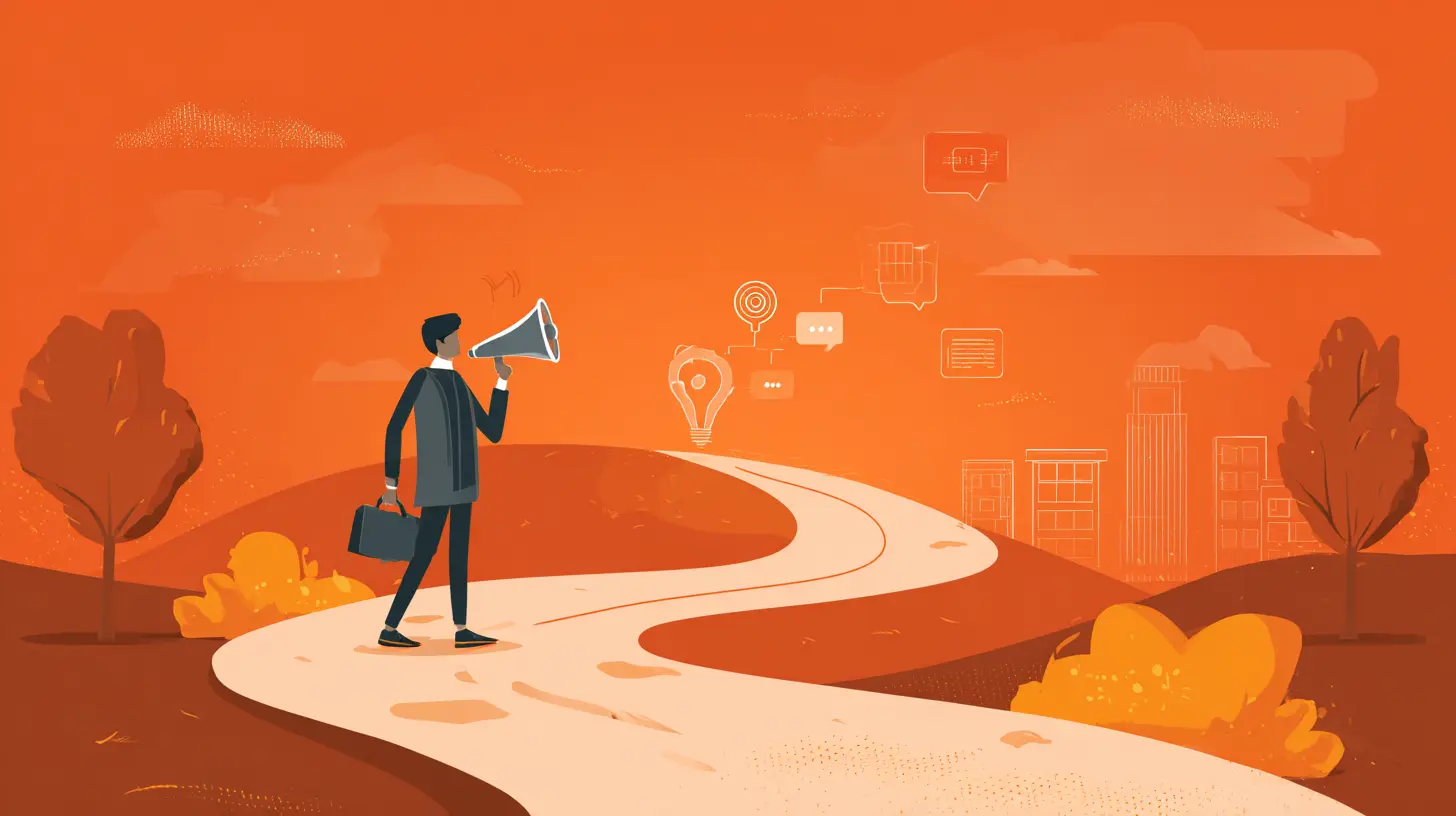
Why Understanding the Buyer’s Journey Matters
Before we break down the stages, let’s hit pause and talk about why this even matters. You know that feeling when someone "gets" you? That’s the goal here. When your messaging aligns with what your audience is going through, it builds trust. And trust? That’s what opens wallets.By aligning your content and messaging with the buyer’s mindset at every stage, you’re not just selling — you’re helping. You’re showing up with value when they need it, and that’s what makes your brand memorable (and profitable).
Stage 1: Awareness – Identifying the Problem
Alright, starting from the top — Awareness.What’s Going On in This Stage?
In this stage, your potential buyer realizes something isn’t right. They may not fully understand the problem yet, but there's an itch they want to scratch. They're doing research, Googling symptoms, reading blogs, watching videos — anything to figure out what’s going on.Imagine someone who keeps hitting snooze every morning. They’re tired and frustrated, but don’t know if it’s stress, poor sleep, or their mattress. That’s Awareness.
What Kind of Messaging Works?
You’re not selling your product here. You're providing education, clarity, and reassurance. Give them content that helps define their problem. Be a helpful friend, not a pushy salesperson.Ideal Content Types:
- Blog posts- Educational videos
- Infographics
- eBooks or guides
- Helpful checklists
- Social media tips
Messaging Tips:
- Speak to pain points- Avoid jargon
- Answer common questions
- Use empathy-driven language
Example?
Instead of saying:> “Buy our ergonomic pillows now!”
Try:
> “Why you wake up groggy (and how your pillow could be to blame).”
See the difference? You’re helping them connect the dots instead of jumping ahead.
Stage 2: Consideration – Researching Solutions
Now we’re into Consideration — the comparison phase.What's Happening Now?
Your buyer knows the issue. They’ve named the beast, and now they’re looking for ways to tame it. They’re comparing different solutions, weighing pros and cons, and seeing what fits their needs.Back to our sleepy-headed friend — they’ve narrowed it down to needing better sleep support. But should they get a new pillow, a weighted blanket, or try melatonin?
Your Messaging Goal?
Show off your expertise and highlight your solution — without being pushy. This is where you position your product or service as a legit option among others. You want to guide, not hard sell.Ideal Content Types:
- Comparison charts- Case studies
- Webinars
- Product explainers
- Buying guides
- FAQs
Messaging Tips:
- Focus on benefits over features- Show you're a credible solution
- Address objections before they’re raised
- Share real-life examples and social proof
Example?
Instead of:> “Our pillow is the best on the market!”
Try:
> “We compared 5 sleep solutions for side sleepers — here’s what we found.”
You’re being helpful and trustworthy. That earns more than attention — it earns belief.
Stage 3: Decision – Ready to Buy
We’ve made it — Decision time. This is where buyers choose who they’re going with.What’s Going Through Their Head?
At this stage, they’ve got a shortlist (hopefully with you on it). They’re reading reviews, checking return policies, and maybe even stalking your Instagram to see if your brand vibes with them.This is a tender moment — urgency and doubt can clash here. Your job? Nudge them gently over the finish line.
Tailoring Your Message
This is your time to shine. Don't be shy about showing why your product or service is the right move. But remember: confidence, not cockiness.Ideal Content Types:
- Customer testimonials- Free trials or demos
- Live chats or consultations
- Limited-time offers
- Guarantees and warranties
Messaging Tips:
- Remove friction (make buying easy!)- Emphasize trust (money-back guarantees, reviews, etc.)
- Highlight results, not just promises
- Create timely urgency (but no sleazy pressure)
Example?
Instead of:> “Still thinking about it? Click now or miss out!”
Try:
> “Join 10,000+ happy sleepers who ditched the snooze button for good — risk-free.”
See how that builds trust and excitement?
Don’t Forget the Post-Purchase Stage!
Wait, you thought the journey ends at the sale? Not quite.There’s a crucial “bonus round” here: Retention. Once someone becomes a customer, they enter the loyalty phase. This is where you turn one-time buyers into lifelong fans.
Keep showing up with helpful tips, check-ins, thank-you notes, and special offers. Make them feel like part of a community, not just a transaction.
Putting It All Together
Let’s recap real quick with a handy cheat-sheet:| Stage | Buyer Mindset | Your Goal | Your Messaging |
|-------|----------------|-----------|----------------|
| Awareness | “I think I have a problem.” | Educate | Clarify pain points, offer insight |
| Consideration | “What’s the best solution?” | Guide | Compare options, share value |
| Decision | “I’m choosing who to buy from.” | Convert | Show trust, ease doubts |
| Retention | “I bought it — now what?” | Delight | Stay helpful, build loyalty |
Tailoring Messaging for Different Channels
Let’s not forget — people interact with you in different ways. Your messaging should adapt, whether it’s social media, email, blog, or ads.- Social Media: Great for Awareness. Be snappy, visual, and empathetic.
- Email Marketing: Perfect for Consideration and nurturing deeper relationships.
- Website: Anchor for all stages—especially Decision. Use clear CTAs and info.
- Blog Content: Ideal for Awareness and Consideration. Offer value first.
- Paid Ads: Best for Decision-stage nudging. Use urgency carefully.
Each channel plays a part. Think of them as instruments in your orchestra — when they play in harmony, your buyers follow the tune.
Common Mistakes to Avoid
Let’s call out a few traps folks fall into:- Jumping the gun — Trying to sell too early.
- One-size-fits-all messaging — Talking to everyone but reaching no one.
- Ignoring retention — Forgetting customers after the sale.
- Focusing only on features — People buy benefits, not specs.
- Being too robotic — People crave connection, not corporate-speak.
Avoid these, and you’re already ahead of the game.
Final Thoughts
The buyer’s journey isn’t just a marketing buzzword — it’s a powerful map. By understanding each stage and tailoring your messaging accordingly, you're not just closing more sales — you're building lasting relationships.So, next time you're crafting content or brainstorming a campaign, ask yourself: “Where is my audience on their journey?” Meet them there. Speak their language. Be the guide they never knew they needed — and watch your business grow.
all images in this post were generated using AI tools
Category:
MarketingAuthor:

Susanna Erickson
Discussion
rate this article
2 comments
Zarev Ellison
Understanding the buyer's journey is crucial for crafting effective messaging. By identifying the stages—awareness, consideration, and decision—businesses can tailor their content to meet potential customers' needs at each point. This targeted approach not only enhances engagement but also drives conversions by addressing concerns and providing value throughout the purchasing process.
April 3, 2026 at 2:40 AM
Susanna Erickson
Absolutely, recognizing the stages of the buyer's journey allows for more relevant messaging. Tailoring content to address specific needs can really boost engagement and conversions. Great insights!
Sylph Barlow
Great insights! Understanding the buyer's journey is crucial for effective communication. By tailoring your messaging to meet customers where they are, you not only enhance their experience but also build lasting relationships. Remember, each stage is an opportunity to connect and inspire trust. Keep thriving!
March 15, 2026 at 5:54 AM
Susanna Erickson
Thank you! I'm glad you found the insights valuable. Tailoring messaging to the buyer's journey is indeed key to creating meaningful connections. Appreciate your feedback!