The Role of Data in Predicting Industry Disruption Before It Happens
26 March 2026
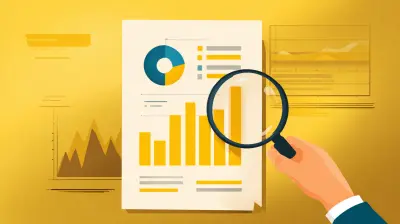
There’s no denying that the business world is fast-paced. Today’s big players can become tomorrow’s forgotten names quicker than you can say, "What happened to Blockbuster?" At the heart of these rapid shifts is something many businesses either underestimate or fail to properly leverage—data. Yes, that unassuming pile of numbers, charts, trends, and patterns. But here's the kicker: when used right, data isn't just about explaining the past. It's a crystal ball that can help businesses predict (and prepare for) industry disruption before it even knocks.
So, how does it all work? And more importantly, why should businesses care? Grab a coffee, and let’s unravel this together. 
What Exactly Is Industry Disruption?
Before we get too far, let's pin down what industry disruption really means. Disruption happens when a new product, business model, or technology completely shakes up an industry, often rendering old ways of doing things obsolete. Remember how Uber turned the taxi industry on its head? Or how Netflix sent video rental stores packing? That's disruption in action. It's not just change—it's transformative and often brutally unforgiving to those who aren't ready.Now, imagine businesses had a way to see these upheavals coming. That’s where data steps in as the ultimate game-changer. 
Why Data Is the Key to Spotting Disruption
Here’s the deal: disruptions don’t appear out of nowhere. There are always breadcrumbs. Subtle shifts in consumer behavior, emerging technologies, market trends—all of these leave a trail. Data is what helps businesses find and follow that trail.But here's the thing. It's not just about looking at the data. It's about interpreting it correctly. You can stare at a weather forecast all day, but unless you understand that dark clouds mean rain, you’re still going to get soaked.
1. Data Tells You What Your Customers Want (Before They Even Know It)
People are creatures of habit, but they’re also always looking for better, faster, cheaper, and more convenient solutions. Data from consumer activity—whether it’s web searches, social media chatter, or purchasing behaviors—can reveal these desires long before they hit mainstream awareness.For example, years ago, rising e-book sales hinted that people loved the idea of reading digitally. Amazon didn’t just notice; they created the Kindle, solidifying their dominance in both the book and gadget industries.
The lesson? Data isn't just numbers—it’s your customer whispering their future preferences.
2. Keeping Tabs on Emerging Technologies
Let’s be real, technology doesn’t sleep. New advancements hit the market faster than we can remember their acronyms (IoT, AI, AR, anyone?). But not every shiny new gadget or platform is a disruptor.By digging into data such as patent filings, R&D investments, or even startup funding trends, businesses can identify which technologies are gaining traction. AI didn’t just appear out of the blue and suddenly start automating everything. Companies that paid attention saw it coming years ago and adapted early. Those who didn’t? Well, they’re probably still playing catch-up.
3. Market Trends Are Like Early Warnings
Industries start to shift well before the earthquake hits. And the tremors? They’re buried in market data. Consumer purchasing patterns, declining sales for legacy products, or even changes in how people search online can signal a coming storm.For instance, the slow decline of cable TV subscriptions combined with a rise in streaming-service searches should have been a “head’s up” for traditional broadcasters. Some saw the signs and pivoted to digital platforms. Others are still trying to figure out where their audience went.
4. Competitor Data—Your Sneaky Advantage
Let’s face it: business is a bit like a race. You’re always keeping one eye on your competition. The beauty of living in a data-rich world is that even your competitors leave behind clues about where they’re heading.Are they suddenly investing heavily in a new product category? Are they hiring developers with a specific skill set? By analyzing their activity (through public data, of course), businesses can anticipate industry shifts and even maneuver to make the first move. 
Turning Data into Action
Okay, so we’ve established that data is your best ally in spotting disruption. But how do you actually use it? It’s not like businesses can just dump a ton of information into a spreadsheet and wait for it to spit out predictions, right?Exactly. Transitioning data into actionable insights is where the magic happens. Here’s how:
1. Invest in Predictive Analytics
Predictive analytics is like having a crystal ball powered by math. It uses patterns in historical data to forecast future trends. Think of it as connecting the dots—but instead of creating a picture, it’s creating a roadmap to what’s coming.Companies like Netflix are masters at this. By analyzing viewing habits, they not only recommend shows but also decide what original content to produce. That’s data-driven decision-making at its finest.
2. Collaborate Across Departments
Let’s say your marketing team notices a surge in searches for eco-friendly products, and your sales team observes a drop in traditional packaging. That’s valuable information! But if those insights stay siloed, they’re useless.Breaking down barriers between departments ensures that data flows freely—and when that happens, patterns emerge faster.
3. Stay Curious and Experiment
Data might point you in a direction, but nothing beats testing the waters. Launch a pilot project, test a new product, or invest in a small-scale rollout. Real-world feedback combined with data insights can reveal opportunities (or red flags) that you might have otherwise missed.
The Risks of Ignoring Data (Spoiler: They’re Big)
Do you know what happens when companies ignore the signs? They become cautionary tales. Kodak is a textbook example. They had the data showing digital cameras were the future, but they clung to film. The result? A company that once dominated its industry went from leader to laggard.On the flip side, companies like Tesla have thrived by leaning into data. They saw the tipping point for electric vehicles long before others did. By paying attention to trends in clean energy, battery technology, and government policies, they positioned themselves as market leaders instead of followers.
Wrapping It Up
Here’s the bottom line: industry disruption is inevitable. But it doesn’t have to catch you off-guard. Data—when used effectively—is your early warning system, your compass, and sometimes even your safety net.Think of it like this: You can either ride the wave of disruption or get swept under it. The choice is yours. Pay attention to the trends, leverage the insights, and use data to prepare for what’s next.
Remember, disruption isn’t the enemy. Ignorance is.
all images in this post were generated using AI tools
Category:
Industry DisruptionAuthor:

Susanna Erickson
Discussion
rate this article
2 comments
Zinn McKnight
This article beautifully highlights the importance of data in navigating uncertainty, reminding us that foresight can empower meaningful change.
April 8, 2026 at 11:46 AM
Susanna Erickson
Thank you! I'm glad you found the article insightful. Data truly is a powerful tool for navigating uncertainty and driving change.
Izaak White
Data: the crystal ball for spotting industry shake-ups before they dance in!
March 28, 2026 at 5:00 AM
Susanna Erickson
Exactly! Data serves as our early warning system, helping us identify potential disruptions and adapt proactively.