How Augmented Reality is Revolutionizing Online Shopping
18 March 2026
Online shopping has come a long way from its early days. Remember when the biggest concern was whether your package would even arrive? Now, with Augmented Reality (AR), we're stepping into an entirely new era—one where you can see, feel, and even try on products without leaving your couch.
Let’s break it down and see how AR is shaking up the eCommerce world in ways we never imagined.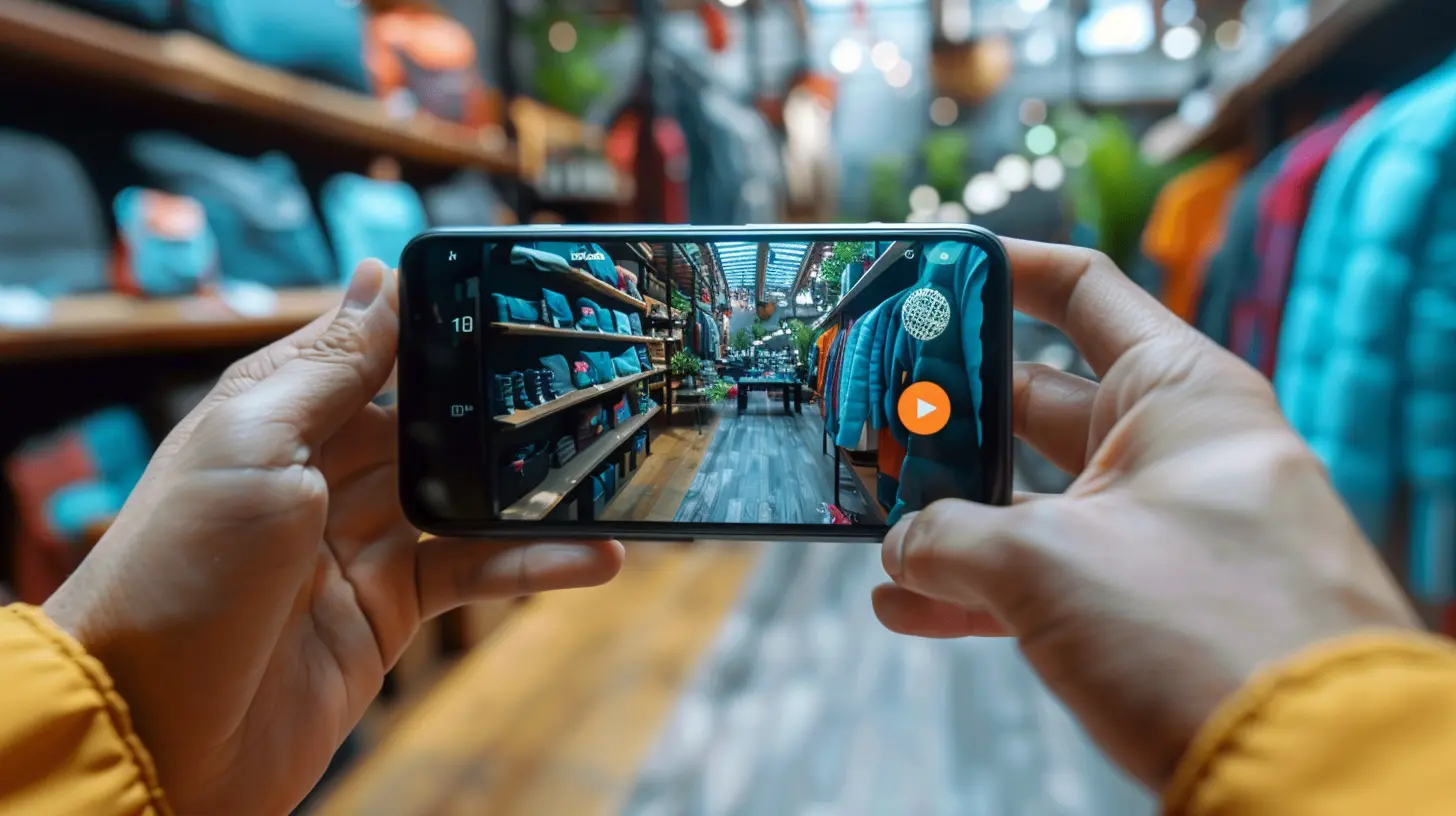
What is Augmented Reality (AR) in Online Shopping?
Before diving in, let's clarify what AR actually is. Think of it as a digital layer over the real world. Unlike Virtual Reality (VR), which immerses you in a completely digital environment, AR blends virtual elements with your actual surroundings.Ever tried those Instagram or Snapchat filters that place a funny hat or dog ears on your face? That’s AR in action! Now apply that concept to shopping—imagine trying on clothes, testing out furniture in your living room, or even seeing how a new shade of lipstick looks on you—all before making a purchase. 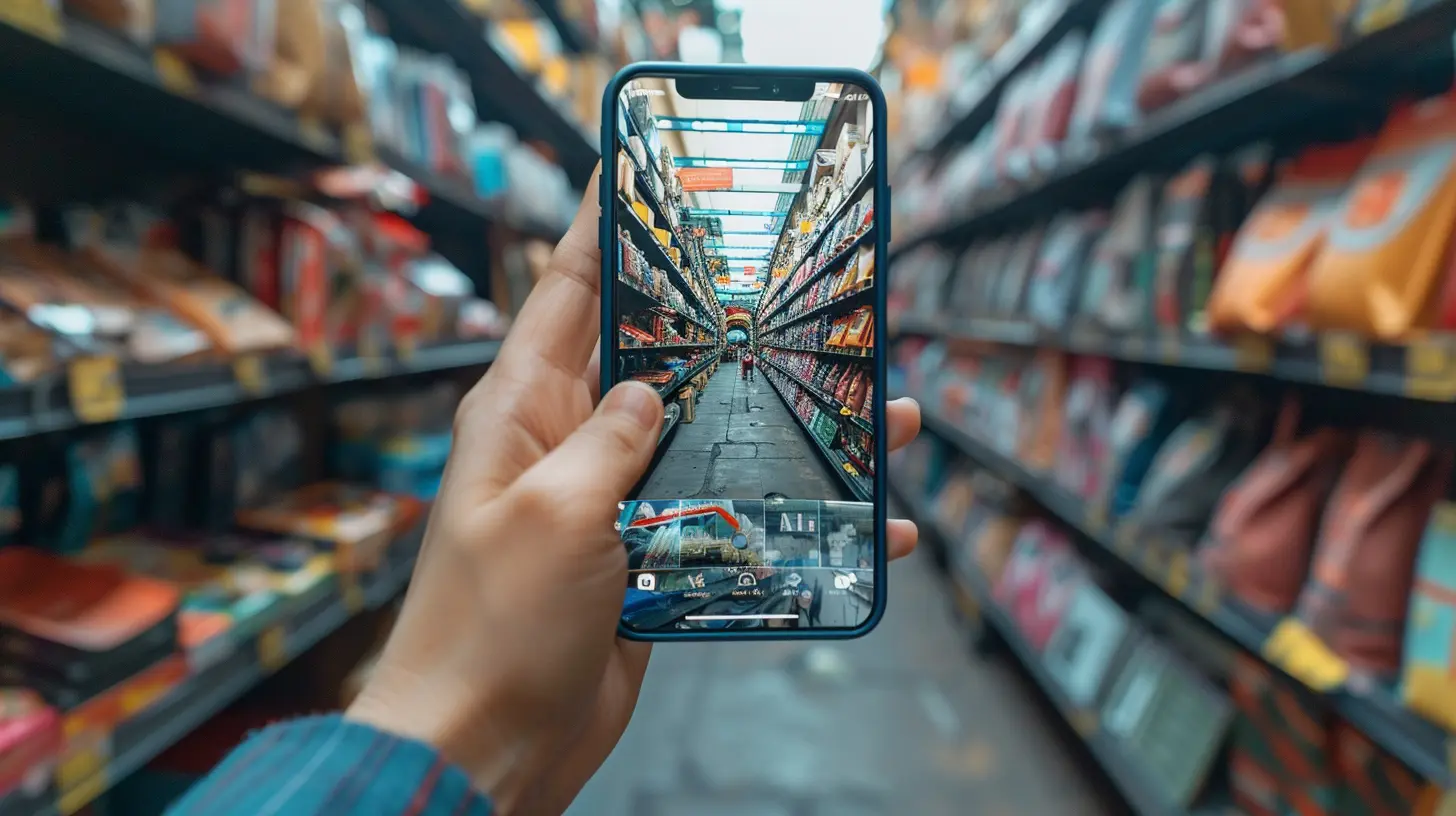
How AR is Transforming the Online Shopping Experience
1. Try Before You Buy – Virtual Try-Ons
One of the biggest concerns with online shopping has always been uncertainty. Will those shoes fit? Will that sofa match your decor? AR eliminates these doubts by letting you “try” products virtually.- Fashion & Beauty: Ever bought a lipstick online only to realize it’s the wrong shade? AR-powered virtual try-ons allow customers to see how makeup, glasses, and even clothes will look before they buy. Brands like Sephora and Warby Parker have mastered this!
- Furniture & Home Decor: IKEA’s AR app lets you place a virtual version of a chair, table, or lamp in your space to see how it fits with your home’s aesthetics—no more regrettable purchases!
2. Enhanced Product Visualization
A major flaw in traditional online shopping is the inability to see a product from every angle. AR fixes this by offering 3D models and interactive views.- Shoppers can zoom in, rotate, and examine products just like they would in a physical store.
- Some brands even offer AR-powered size guides to help customers choose the right fit for clothing and accessories.
It’s like having a showroom in your pocket—no more second-guessing product dimensions or quality!
3. Personalized Shopping Experience
AR doesn’t just show you products—it can tailor them to your personal preferences.- Many AR apps now use AI to recommend products based on your style and past purchases.
- Imagine a clothing store where you upload a photo, and AR suggests outfits that match your body type and style preferences.
This level of customization isn't just cool—it also makes shopping more efficient and enjoyable.
4. Interactive and Engaging Shopping Journeys
Traditional online shopping is a passive experience. You scroll, click, and check out. But AR makes it interactive.- Some brands, like Nike, allow users to scan their feet to receive recommendations for the perfect shoe size.
- Others create gamified experiences where customers can unlock discounts by engaging with products through AR—kind of like a digital treasure hunt!
This immersive experience keeps customers engaged, increasing the chances of making a purchase.
5. Reduced Return Rates
One of the biggest headaches for online retailers? Product returns.- AR significantly reduces return rates because customers get a more accurate sense of what they’re buying.
- With virtual try-ons and 3D product previews, there are fewer unpleasant surprises when the package arrives.
Fewer returns mean happier customers and higher profits for businesses—everyone wins! 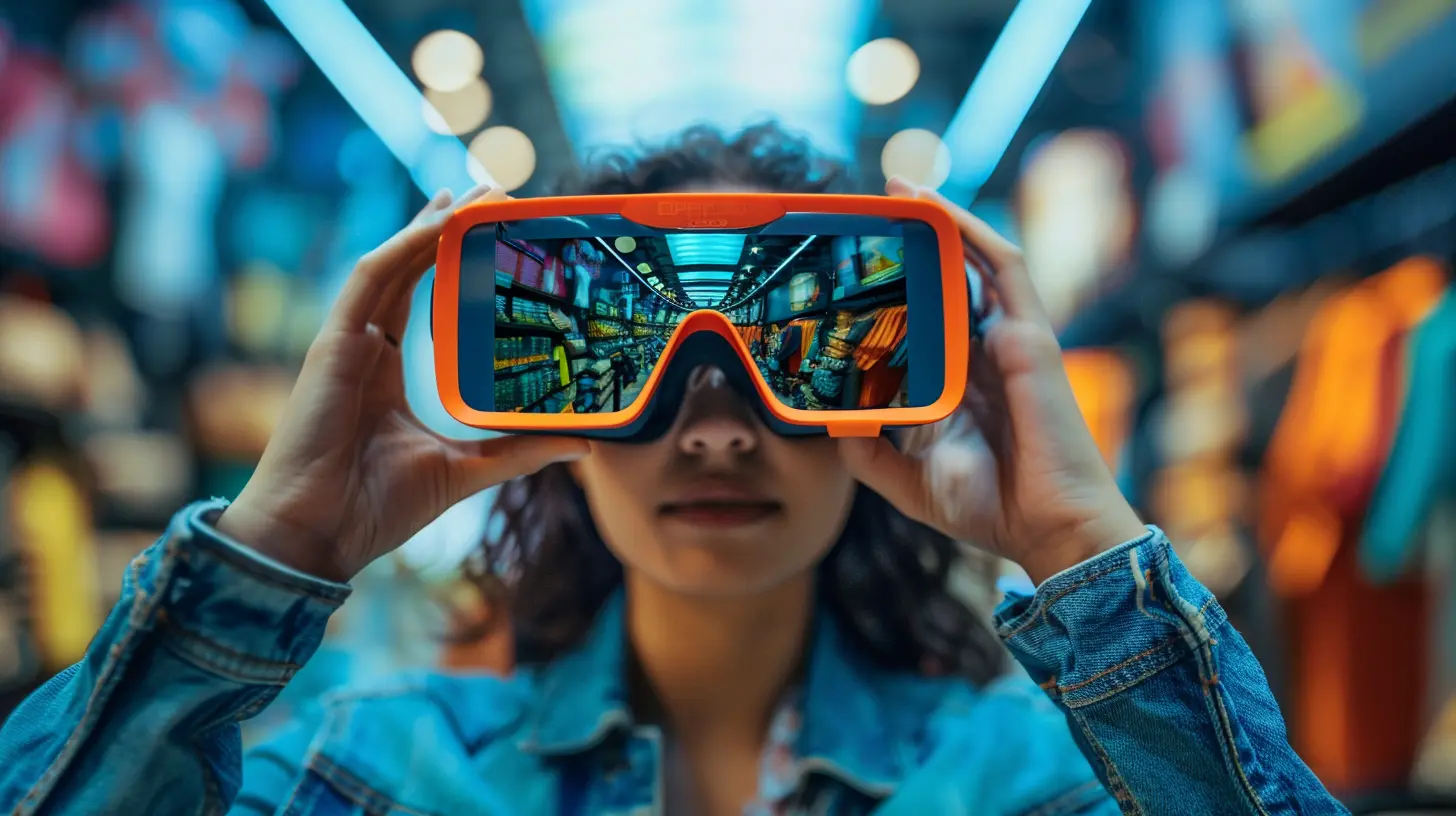
The Rise of AR-Powered eCommerce Brands
Several big-name brands are already leveraging AR to improve their online shopping experience:- Sephora: Offers a virtual try-on feature for makeup, allowing customers to see how different shades look on their skin.
- IKEA: Lets shoppers "place" furniture in their rooms using AR, ensuring it fits their space before buying.
- Nike: Uses AR technology to scan customers' feet and recommend the perfect shoe size—goodbye, ill-fitting sneakers!
- Amazon: Provides AR-powered previews of products so customers can see them from multiple angles before purchasing.
These brands are proving that AR isn’t just a gimmick—it’s a game-changer. 
The Future of AR in Online Shopping
We’re still in the early days of AR-powered online shopping, but the future looks incredibly promising. Here’s what we can expect in the coming years:1. More Advanced AR Wearables
As smart glasses and AR wearables become mainstream, shopping will become even more immersive. Imagine walking through a virtual store from the comfort of your home!2. AI + AR for Ultra-Personalized Shopping
AI will further enhance AR by offering hyper-personalized recommendations. Your AR shopping assistant might soon suggest outfits based on your calendar events or even the weather forecast!3. AR-Powered Live Shopping Events
Live shopping is already taking off, but AR could take it to a whole new level. Imagine watching a live-streamed fashion show where you can instantly try on and purchase outfits with a single click.4. Social Media Shopping with AR
Platforms like Instagram and Snapchat are already testing AR-powered shopping features. Soon, you’ll be able to see how a product looks on you directly from your feed and buy it without leaving the app.Challenges in Implementing AR in eCommerce
Despite its exciting potential, AR isn’t without challenges:1. High Development Costs
Creating AR-powered shopping experiences requires advanced technology, which can be expensive for smaller businesses.2. Device Limitations
Not every smartphone is AR-compatible, meaning some customers might not have access to these features.3. User Adoption and Awareness
Many consumers still aren’t familiar with AR shopping, which means businesses need to invest in education and marketing to promote these features.That said, as AR technology becomes more widespread and affordable, these challenges will likely diminish over time.
Final Thoughts
Augmented Reality isn’t just a fun trend—it’s the future of online shopping. From virtual try-ons to immersive, personalized experiences, AR is making eCommerce more engaging, interactive, and customer-friendly.And let’s be honest: who wouldn’t want to try on clothes, place furniture in their home, or test out gadgets—all without ever stepping foot in a physical store?
As brands continue to invest in AR, shopping as we know it will never be the same. The only question is—are you ready for this revolution?
all images in this post were generated using AI tools
Category:
E CommerceAuthor:

Susanna Erickson
Discussion
rate this article
2 comments
Murphy McClintock
Exciting possibilities—how will AR shape shopping?
April 5, 2026 at 3:47 AM
Susanna Erickson
AR will enhance shopping by enabling virtual try-ons, interactive product displays, and immersive experiences, making online shopping more engaging and personalized.
Lucy Middleton
Augmented Reality in shopping? Finally, a way to see if those shoes actually match my vibe before I commit! Bye-bye, endless returns—hello, fabulous digital fitting rooms!
March 20, 2026 at 3:50 AM
Susanna Erickson
Absolutely! Augmented Reality is a game changer for shopping, making it easier to find the perfect fit and style without the hassle of returns. Exciting times ahead!