4 Ways World Affairs And Politics Can Impact Your Business Strategy
September 1, 2026 - 06:54
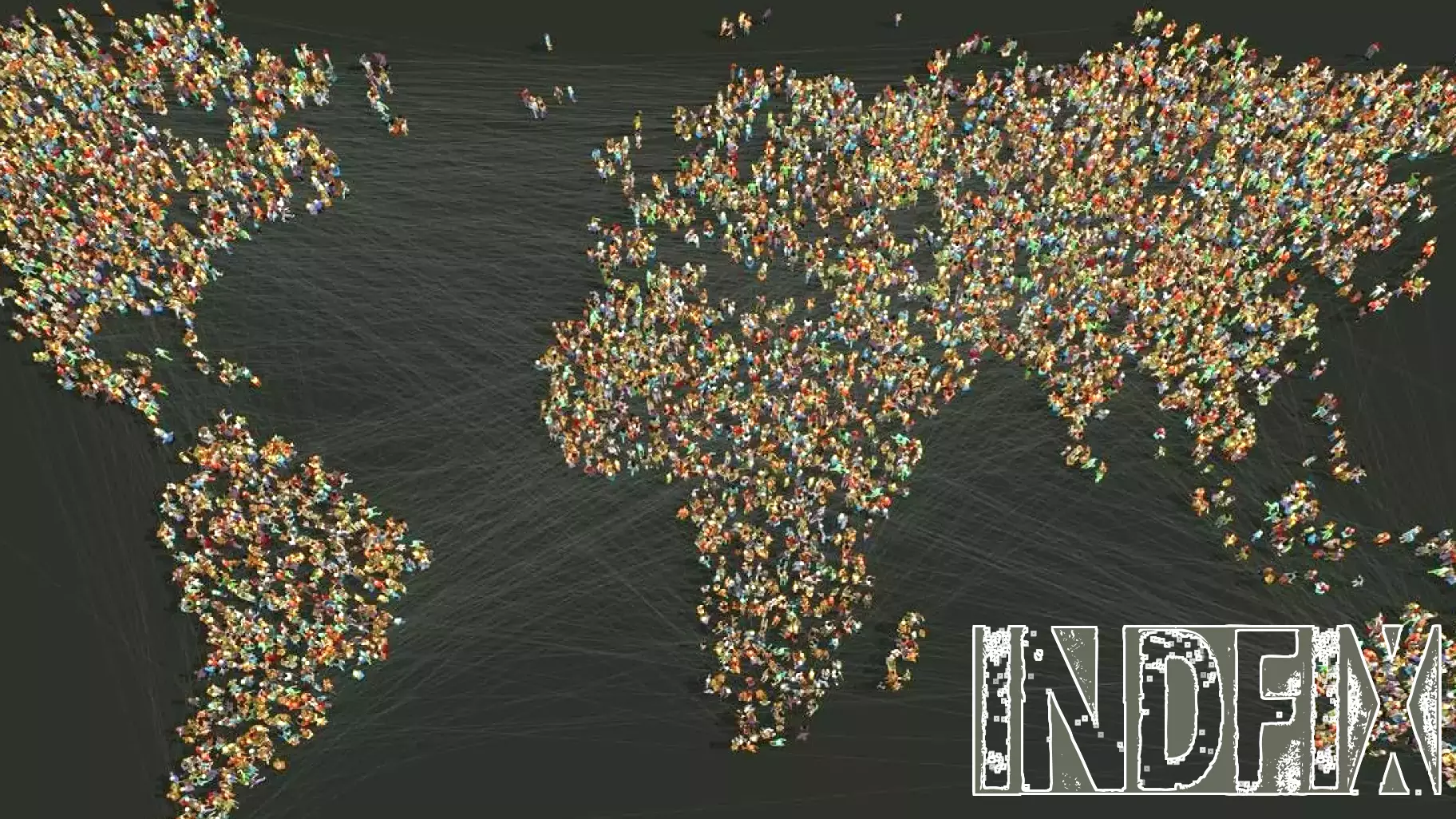
It is easy to focus on quarterly earnings and internal operations, but the wider world has a way of forcing its way into the boardroom. Political shifts, international conflicts, and diplomatic tensions are no longer background noise. They are direct drivers of cost, demand, and risk. For business leaders, ignoring these forces is not an option. The challenge is learning how to read them and adjust strategy before the market does it for you.
The most immediate impact is usually on supply chains. A new tariff, a sanctions package, or a dispute over shipping routes can reprice raw materials overnight. Companies that rely on single-source suppliers in politically unstable regions are especially exposed. The solution is not to predict every political move but to build redundancy. That means diversifying suppliers across different countries, keeping higher safety stock, and mapping out alternative logistics routes. Agility here is a competitive advantage, not just a cost center.
Consumer behavior also shifts with the political climate. During times of uncertainty, spending patterns change. Luxury goods and non-essential services often see a dip, while value-oriented products and domestic alternatives gain traction. Nationalistic sentiment can boost local brands, but it can also trigger boycotts of foreign companies. Monitoring public sentiment and adapting marketing messages is crucial. A brand that appears tone-deaf to geopolitical events can face a rapid backlash.
Regulation is another major factor. Governments respond to crises with new rules, from data privacy laws to environmental mandates. These regulations can vary wildly by region, creating a compliance headache for multinational firms. The cost of non-compliance is rising, both in fines and reputational damage. Proactive engagement with policymakers and industry groups can help shape these rules. Waiting until a law is passed is too late.
Finally, think about growth and investment. Political stability attracts capital, while conflict or policy unpredictability drives it away. Exchange rate fluctuations can make overseas expansion more expensive or, conversely, create acquisition opportunities. Long-term strategic planning must include scenario analysis. What happens if a key trade partner imposes new restrictions? What if a regional conflict disrupts energy prices? By running these scenarios, leaders can make better decisions about where to invest and when to pull back.
The takeaway is straightforward. Politics is not a distraction from business. It is a core variable. The most resilient companies treat geopolitical risk with the same rigor as financial risk. They assign ownership, review it regularly, and build flexibility into their plans. Those that do will navigate the turbulence. Those that do not will find themselves reacting to events they could have anticipated.
MORE NEWS

October 16, 2026 - 03:36
Cincinnati business leaders oppose CPS property tax levy ahead of upcoming voteA coalition of Cincinnati business leaders has come out against a property tax levy proposed by Cincinnati Public Schools, arguing the measure would place too heavy a burden on taxpayers and...

October 15, 2026 - 07:18
Why Nature Investment Makes Business Sense NowFashion executives are facing a difficult reality. Climate change is accelerating, and geopolitical tensions keep disrupting supply chains that were once predictable. The result is relentless...

October 14, 2026 - 20:38
Basalt Opens Business Roundtables to Local OwnersThe town of Basalt is inviting local business owners to join Basalt Town Manager Gloria Kaasch-Buerger and Basalt Chamber President and CEO Kris Mattera for an open dialogue about the business...

October 14, 2026 - 04:42
Car Smashes Into Storefront on Maumelle Boulevard in North Little RockPolice in North Little Rock are looking into what caused a vehicle to slam into the front of a business on Maumelle Boulevard Tuesday afternoon. Officers were called to the scene shortly after the...