Why Customer Retention Will Be Key to Profitability in 2027
9 May 2026
Let me guess. You have spent the last five years obsessing over acquisition. You have blown your budget on Facebook ads that keep getting more expensive. You have hired growth hackers who promised you a million users by Tuesday. And now, in 2027, you are sitting on a pile of customers who bought once and ghosted you like a bad Tinder date. Congratulations. You played yourself.
Here is the uncomfortable truth that most businesses will refuse to accept until it is too late: Customer retention will be the single biggest driver of profitability in 2027. Not fancy AI tools. Not viral TikTok campaigns. Not another "disruptive" subscription box. Keeping the people you already have. Boring? Yes. Profitable? Absolutely. Let me explain why, and I will try not to be too smug about it.
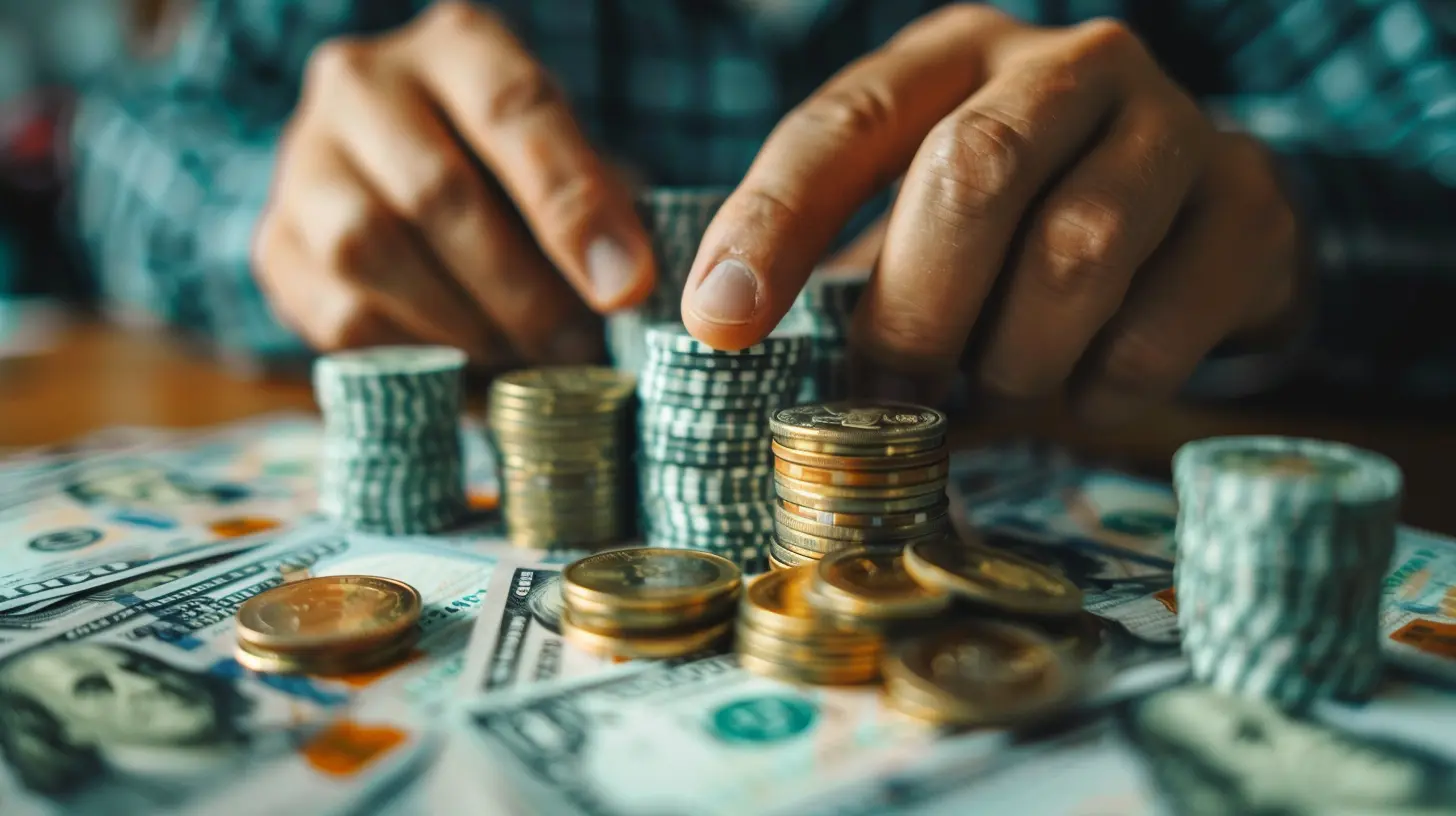
The Great Acquisition Hangover
Think of customer acquisition like drinking cheap wine. It feels good in the moment. You get a spike. You celebrate. You post about it on LinkedIn. But the next morning, you wake up with a headache and an empty wallet. That is exactly where most businesses are heading into 2027.The cost to acquire a customer has been climbing faster than rent in a gentrified neighborhood. By 2027, it will be outright stupid to rely on new customers to keep the lights on. Why? Because every platform is squeezing you. Google charges more per click. Facebook's algorithm hates you. Influencers want your firstborn child just for a mention. Meanwhile, your existing customers are sitting there, ignored, wondering why you never send them a birthday coupon or even a "hey, we miss you" email.
Here is a fun statistic that will ruin your day: Increasing customer retention by just 5% can increase profits by 25% to 95%. That is not a typo. That is math. And math does not care about your feelings. So if you are still chasing shiny new leads while ignoring the goldmine in your CRM, you are basically setting money on fire to stay warm.

Why 2027 Is the Year of the Repeat Buyer
Let me paint a picture of 2027. The economy is weird. Inflation has settled but left scars. People are picky. They have been burned by too many brands that promised the moon and delivered a damp napkin. Trust is scarcer than a parking spot downtown. So when someone actually buys from you, sticks around, and maybe even tells a friend, that is not just a transaction. That is a miracle. And you need to treat it like one.In 2027, the customer who buys twice is worth ten times more than the customer who buys once. Not because they spend more per order, but because they cost you nothing to acquire the second time. No ad spend. No retargeting pixel witchcraft. No awkward sales call. They just... come back. Like a stray cat that decided your porch is acceptable. And you better have food ready.
The businesses that win in 2027 will not be the ones with the slickest landing page or the most viral ad. They will be the ones that make their existing customers feel like royalty without being creepy about it. Think of it like a good relationship. You do not propose on the first date. You do not spam them with "buy now" texts at 2 AM. You listen. You show up. You remember their birthday. That is retention.

The "Sticky" Factor: Why Churn Is a Silent Killer
Churn is the vampire of profitability. It sneaks in at night, drains your revenue, and leaves you wondering where all your energy went. And in 2027, churn will be even more brutal because customers have zero patience. They have been trained by Amazon to expect everything in two hours. They have been spoiled by Netflix to cancel with one click. If your product or service is not indispensable, you are one bad experience away from losing them forever.Here is the thing about churn: It is rarely dramatic. It is not a screaming match or a refund demand. It is quiet. The customer just stops showing up. They unsubscribe. They let their subscription lapse. They buy from your competitor who sent them a slightly better email. Death by a thousand paper cuts.
To survive 2027, you need to make your business "sticky." Not in a gross, sticky-fingers way. In a "this is so convenient and valuable that I would be an idiot to leave" way. Think of it like switching banks. Nobody does it for fun. It is a hassle. You want your customers to feel the same way about leaving you. Make it painful for them to leave. Not through contracts or hidden fees, but through genuine value that they cannot find elsewhere.

The Subscription Trap (And How to Escape It)
Everyone and their grandmother is launching a subscription model. Toothpaste subscriptions. Sock subscriptions. Subscription boxes for your dog's emotional support. It is exhausting. And in 2027, subscription fatigue will be real. Customers are waking up and realizing they are paying for 17 things they never use. They are canceling like it is a sport.So here is the sarcastic truth: Slapping a subscription on your product does not equal retention. It just means you are billing people who are too lazy to cancel. That is not loyalty. That is inertia. And inertia breaks the second your customer finds a cheaper option or gets annoyed by your "we miss you" emails.
Real retention in 2027 is not about locking people in. It is about making them want to stay. That requires a different mindset. You have to earn their business every single month. Every invoice should feel like a fair trade. Every interaction should remind them why they chose you in the first place. If you treat retention like a passive income stream, you will wake up to a ghost town.
The "Lifetime Value" Lie You Keep Telling Yourself
We all love the term "lifetime value." It sounds impressive. You can put it on a slide deck and investors nod wisely. But let me ask you: What are you actually doing to increase it? Because lifetime value is not a number you calculate. It is a number you build. And most businesses are building it on a foundation of sand.In 2027, lifetime value will be determined by three things: frequency, margin, and advocacy. Frequency is how often they buy. Margin is how much they spend each time. Advocacy is how many people they bring with them. If you are only focusing on frequency through discounts, you are destroying margin. If you are only focusing on margin through upselling, you are killing advocacy. It is a balancing act, and most businesses fall off the tightrope.
Here is a brutal question: Do your customers actually like you? Not your product. Not your logo. You. Because in 2027, people buy from people. Even B2B. Even SaaS. Even if you sell industrial valves. If your customer service sucks, if your onboarding is confusing, if your emails sound like they were written by a robot who just discovered emojis, they will leave. And they will tell everyone why.
How to Retain Without Being Annoying
Now for the practical part. Because I know you want a list. Fine. Here is how you keep customers in 2027 without turning into a stalker.1. Stop Treating Retention Like a Campaign
Retention is not a quarterly initiative. It is not something you "launch" in Q3. It is a mindset that should infect every part of your business. From the way you write your error messages to the way you handle returns. Every touchpoint is a retention opportunity or a churn accelerator. There is no middle ground.2. Use Data Like a Doctor, Not a Creep
You have data. Great. Use it to help customers, not to manipulate them. If you know they bought a coffee maker six months ago, send them a reminder to descale it, not a coupon for a different coffee maker. Be useful. Be relevant. Be the brand that makes their life easier, not the brand that follows them around the internet with ads for the thing they already bought.3. Build a Community, Not a Database
People stay where they belong. If you can create a sense of belonging, you will have customers for life. That does not mean you need a Facebook group. It means you need to make customers feel seen. Respond to their comments. Feature their stories. Ask for their opinion and actually listen. In 2027, loneliness is an epidemic. Brands that offer connection will win.4. Fix Your Onboarding
Most churn happens in the first 30 days. If you do not show a new customer the value immediately, they will wander off. Your onboarding should be so good that they feel stupid for not buying from you sooner. Hand-holding is not a weakness. It is a retention strategy.5. Surprise Them (But Not in a Weird Way)
Surprise and delight works, but only if it is genuine. Send a handwritten note for no reason. Give them a free upgrade on their birthday. Offer a loyalty perk that actually matters, not a 5% discount on a product they do not want. The element of surprise triggers dopamine. And dopamine makes people come back.The ROI of Retention in 2027
Let me put this in terms even a CFO can understand. Retained customers spend more over time. They are cheaper to serve. They provide free word-of-mouth marketing. They give you honest feedback. They forgive your mistakes. They are the difference between a business that survives a recession and one that becomes a cautionary tale on a business podcast.In 2027, the companies that focus on retention will have lower customer acquisition costs, higher average order values, and more predictable revenue. They will sleep better at night. They will not panic when Google changes its algorithm again. They will have a moat. And moats are the only thing that matter when the economic tide goes out.
Final Sarcastic Pep Talk
Look, I know retention is not sexy. Nobody gets a standing ovation for reducing churn by 2%. There is no conference keynote called "How We Kept Our Customers Happy." But guess what? Sexy does not pay the bills. Retention does.So here is your homework for 2027. Go look at your customer list. Find the people who have bought from you more than once. Send them a thank you. Ask them what they need. Stop treating them like a number. Because in a world where everyone is fighting for attention, the people who already gave you theirs are your most valuable asset.
Or keep chasing new customers. I am sure that will work out eventually. Let me know how it goes.
all images in this post were generated using AI tools
Category:
ProfitabilityAuthor:

Susanna Erickson
Discussion
rate this article
2 comments
Cooper McKinnon
Keeping customers happy is like having a secret recipe-profitable and oh so rewarding!
July 4, 2026 at 4:25 AM
Susanna Erickson
Absolutely! Happy customers are the secret ingredient for lasting success.
Callista McTiernan
Focusing on customer retention now will pave the way for future profitability.
May 11, 2026 at 3:36 AM
Susanna Erickson
Absolutely! Investing in customer retention today builds loyalty that drives profitability tomorrow.