How Disruptive Technologies Are Transforming Traditional Business Models
2 January 2026
We’re living in a world where the only constant is change. Remember when Blockbuster ruled Friday nights and taxis were the go-to ride? Feels like a lifetime ago, right? That’s the magic—and madness—of disruptive technologies. They don’t ask for permission; they barge in, flip the script, and redefine how businesses operate. If you're running a business and not paying attention, you might just get left in the dust.
So, let's break it down and talk about how disruptive technologies are shaking up traditional business models, why it matters, and what you need to do to stay in the game.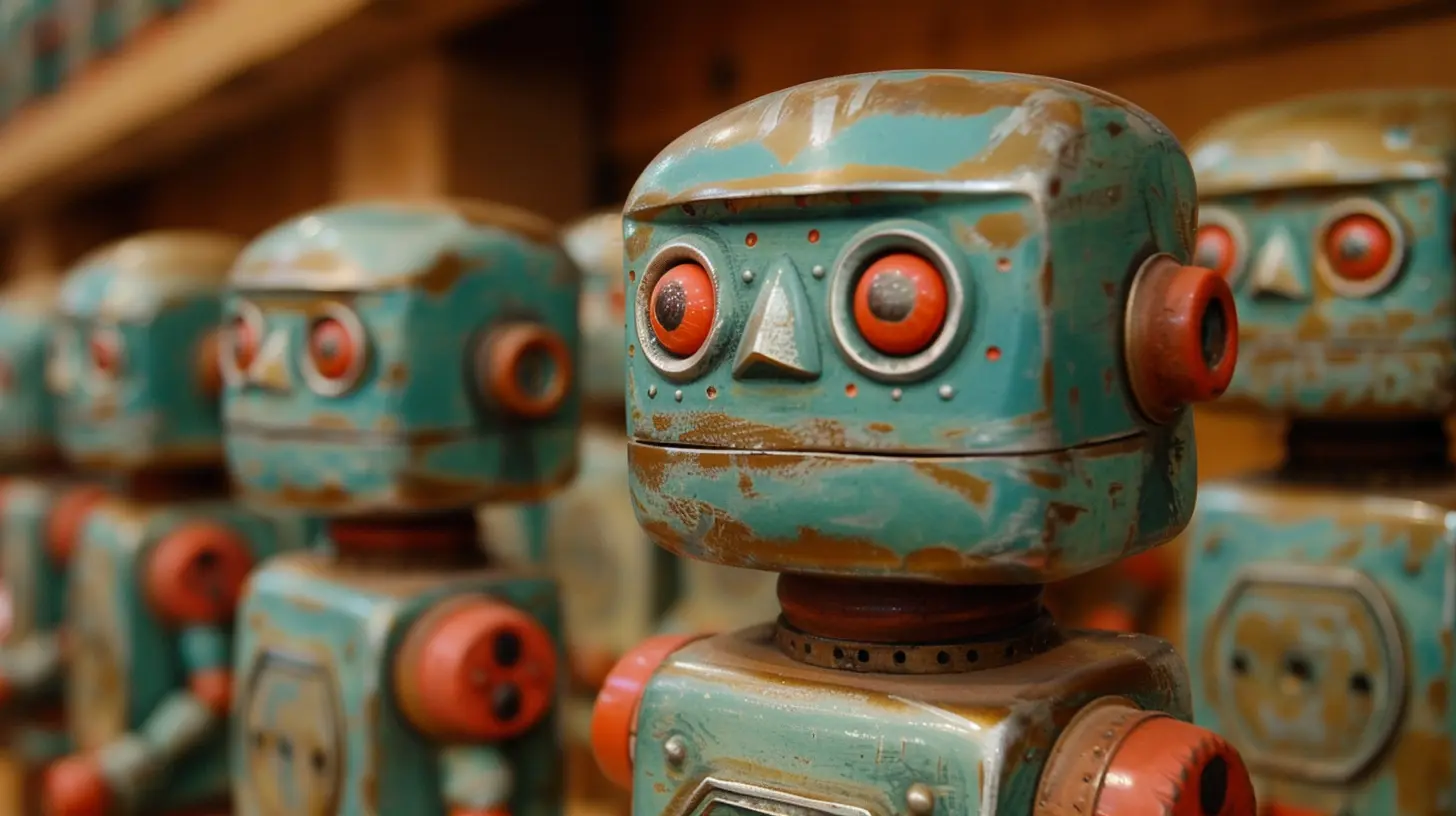
What Are Disruptive Technologies Anyway?
Before we jump into how they’re transforming the business world, let’s get on the same page. Disruptive technologies are innovations that significantly alter or replace existing systems, products, or services. They don’t just make things better—they redefine the game altogether.Think:
- Netflix vs. Blockbuster
- Airbnb vs. Hotels
- Uber vs. Taxis
These aren’t just competitors with better strategies. They’re entirely new ways of solving old problems.
Why Are Businesses Paying Attention?
Because survival depends on it. Let’s face it—ignore innovation today, and you could be irrelevant tomorrow. Traditional business models are built on predictability and routine. Disruptive tech throws a curveball into that comfort zone.Whether it’s artificial intelligence changing how decisions are made or blockchain removing intermediaries, these technologies force businesses to adapt—or disappear.
Core Disruptive Technologies Reshaping Industries
Let’s explore the heavy hitters. These are the tech trends turning industries upside down.1. Artificial Intelligence (AI) and Machine Learning
AI is the brain behind the next-gen business. From personalized shopping experiences to automated customer service bots, AI is replacing guesswork with data-driven precision.Imagine running a business that predicts what your customers want before they even ask. That’s AI for you. It’s good for chatbots, fraud detection, supply chain optimization—you name it.
🧠 Killer Stat: Businesses that use AI extensively are projected to increase profitability by 38% by 2035.
2. The Internet of Things (IoT)
Ever heard of smart refrigerators that know when you’re out of milk? That’s IoT in action.For businesses, IoT means smart factories, automated inventory tracking, and real-time data from connected devices. It’s turning physical products into digital services.
A trucking company can now track vehicle performance in real-time and prevent breakdowns before they happen. Efficiency, much?
3. Blockchain Technology
Blockchain isn’t just for Bitcoin geeks. It has the potential to revolutionize industries like finance, logistics, and even healthcare.Why? Because blockchain is all about transparency, security, and decentralization. No more middlemen, no more trust issues. Everything is verified and recorded.
A good example? Supply chains. With blockchain, you can track every step of a product’s journey from factory to shelf. No more guesswork.
4. Cloud Computing
Remember the days of on-site servers and hardware nightmares? Cloud computing moved all that to the digital skies.It lets businesses scale quickly, work remotely, reduce IT costs, and collaborate without boundaries. From startups to enterprise giants, everyone’s moving to the cloud.
And with hybrid work becoming the norm, cloud-based systems aren’t just a luxury—they’re a necessity.
5. Augmented Reality (AR) and Virtual Reality (VR)
If you thought AR and VR were just for gamers, think again. These tools are transforming how businesses engage with customers.Retailers like IKEA use AR to let customers virtually “place” furniture in their homes. Real estate agents offer virtual home tours. Even training simulations in healthcare and aviation are going fully virtual.
It’s not just flashy tech—it’s functional, practical, and here to stay.
Old Business Models Meet New Disruptions
Alright, now let’s look at how these technologies are flipping traditional business models upside down.Retail: From Brick-and-Mortar to Digital-First
E-commerce wasn’t the death of retail—it was its rebirth. Platforms like Shopify and Amazon have given small businesses global reach. Add to that AI-based recommendation engines and AR dressing rooms, and the shopping experience becomes personal and futuristic.The traditional model of having a store, stocking shelves, and waiting for foot traffic? That’s old news.
Transportation: Ridesharing vs. Ownership
Uber and Lyft didn’t just create a cheaper alternative to taxis—they changed how we think about owning cars. With the rise of autonomous vehicles on the horizon, transportation is transitioning from ownership to on-demand access.Businesses in the auto industry are already adapting with subscription-based vehicle services and investing in EV tech.
Hospitality: Home Sharing and Personalized Stays
Airbnb disrupted the hotel industry by making everyone's home a potential mini-hotel. Instead of standardized rooms, people now seek authentic experiences, often curated by locals.Hotels are responding with apps, hyper-personalized services, and smart-room technology. Those that don’t adapt? They’re already losing bookings.
Finance: Digital-First and Decentralized
FinTech has ruined the exclusivity of traditional banking—and that’s a good thing. Mobile wallets, no-fee trading apps like Robinhood, crypto platforms, and peer-to-peer lending—these are giving customers control.Banks stuck with a “come-to-our-branch” mindset are losing ground to agile, tech-savvy competitors.
Startups vs. Giants: Who Benefits More?
You’d think the big guys have an edge, right? Not always.Startups are agile, hungry, and unburdened by legacy systems. They can experiment and iterate fast.
But big brands aren’t sitting idle. Amazon, Google, Apple—they’re always expanding into new verticals using disruptive tech. The difference? They’re doing it with deep pockets and global reach.
So, in today’s landscape, it's not about size—it’s about speed, agility, and mindset.
Building a Business That Embraces Disruption
How do you future-proof your business? You don’t need a crystal ball—just the right attitude and strategy.Here’s your quick survival guide:
1. Stay Curious and Keep Learning
The worst thing you can say as a business owner is, “We’ve always done it this way.” That’s like putting a sign on your door that says “Disruption, please come in.”Follow tech trends, attend webinars, read industry reports, and be open to change.
2. Invest in Tech Wisely
Don’t chase every shiny object. Instead, identify what tech solves real problems for your customers.Do you really need AI? Then invest in a simple chatbot first before diving into complex algorithms.
Start small. Scale fast.
3. Empower Teams to Innovate
Create a culture where new ideas are welcomed, not feared. Let teams experiment. Encourage cross-functional collaboration. Often, the best ideas come from unexpected places.4. Be Data-Driven
Data tells stories that instincts can miss. The more you rely on accurate, real-time data, the more adaptable your business becomes.Use analytics to understand customer behavior, track trends, and fine-tune operations.
5. Partner Strategically
You don’t have to go it alone. Partner with startups, tech providers, even competitors. Collaborations can fast-track innovation and share the risk.The Risks of Ignoring Disruption
Let’s not sugarcoat this—if you ignore disruption, your business could end up like Kodak, Nokia, or Toys “R” Us.They didn’t fail because they lacked resources. They failed because they refused to adapt.
The marketplace doesn’t wait for anyone. If you’re not riding the wave of change, you’re getting swept under it.
Final Thoughts: Ride the Wave or Get Wiped Out
Here’s the deal—disruptive technologies aren’t going away. If anything, they’re accelerating. And while they may feel threatening at first, they’re actually full of opportunities.Instead of resisting the change, why not ride it?
Rewire your mindset, upgrade your tools, prioritize innovation, and most importantly—listen to what your customers need next. That’s how you stay ahead.
The businesses that thrive tomorrow are the ones evolving today.
all images in this post were generated using AI tools
Category:
Industry DisruptionAuthor:

Susanna Erickson
Discussion
rate this article
2 comments
Ramona Patel
Oh, fantastic! Because who wouldn’t want their established business models turned upside down by fancy gadgets? Nothing says “success” like a high-tech rollercoaster ride through chaos. Let’s all just hold our breath and hope for the best—what could possibly go wrong?
January 31, 2026 at 12:00 PM
Susanna Erickson
It's true that disruption comes with challenges, but it also creates opportunities for innovation and growth. Embracing change can lead to exciting advancements!
Oriana McClintock
Great insights on how disruptive technologies are reshaping the business landscape! It's fascinating to see traditional models adapt and evolve. Embracing these innovations not only fuels growth but also fosters creativity and resilience. Looking forward to seeing more companies thrive with these changes!
January 5, 2026 at 7:19 PM
Susanna Erickson
Thanks for your thoughtful comment! It's exciting to witness this evolution and the opportunities it brings. Let's keep the conversation going as these changes unfold.