The Impact of Business Coaching on Employee Retention
26 August 2026
Let’s be honest—keeping great employees around is a challenge for most businesses today. People jump ship faster than you can say “exit interview,” and that turnover takes a toll on productivity, morale, and the bottom line.
But what if I told you there’s a powerful tool many companies overlook when it comes to retaining top talent?
That tool is business coaching.
Yep. Business coaching isn’t just for executive-level professionals anymore. It’s becoming a game-changer in the employee retention game for all levels of an organization. In this article, we’ll dive into how and why business coaching can significantly boost employee retention—and why your organization should seriously consider making it part of your talent strategy.
Why Should We Care About Employee Retention?
Let’s set the stage here. Retention matters—a lot.When an employee leaves, it’s not just their desk that goes empty. It costs the company time, money, and energy to find, hire, and train a replacement. According to some reports, replacing an employee can cost anywhere from 30% to 200% of their annual salary. Ouch.
But it goes beyond dollars and cents. High turnover leads to:
- Lower team morale
- Loss of institutional knowledge
- Decreased productivity
- A dent in employer branding
Now here’s where business coaching enters the chat.
What Is Business Coaching, Exactly?
Let’s not get caught up in fancy terminology. At its core, business coaching is a development process where a coach works one-on-one (or sometimes with small groups) to help employees improve performance, communication, leadership, and more.Think of it like this: It’s a gym for personal and professional growth. Just like a fitness coach helps build physical strength, a business coach helps employees level up their skills—and confidence.
The best part? Coaching isn’t just about fixing problems. It’s about unlocking potential.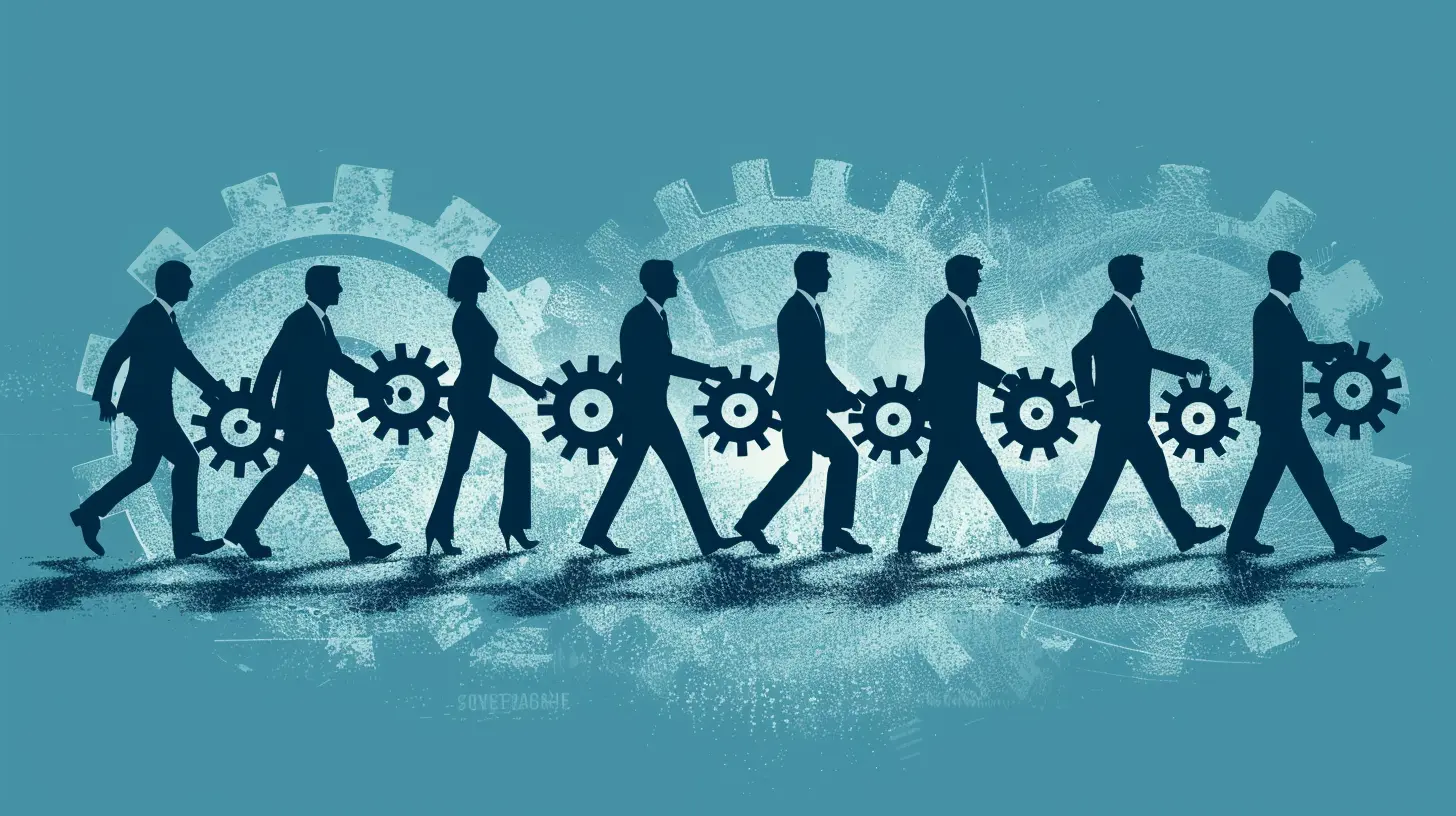
How Business Coaching Drives Employee Retention
Alright, here’s where it gets juicy. Let’s break down how business coaching takes employee retention to the next level.1. Employees Feel Valued
Imagine this—you’re working at a company that invests in your growth by giving you a personal coach. Wouldn’t that feel pretty awesome?Coaching sends a clear message: “We believe in you and want to help you grow.” That simple act of acknowledgment can make a world of difference in how employees feel about their jobs and employers.
When people feel seen and supported, they're far less likely to start scrolling job boards.
2. Boosts Confidence and Competence
Let’s talk about confidence.Employees often leave because they feel stuck or overwhelmed. They might be uncertain about their abilities or future within the company.
Business coaches help bridge that gap. They give employees the tools and feedback they need to build competence—and with competence comes confidence.
Picture an employee who’s struggling with communication in meetings. A coach steps in, offers strategies, roleplays tough conversations, and before long, that employee transforms into a powerhouse speaker. That sense of progress is addictive—and very motivating.
3. Clarifies Career Paths
One huge reason people leave their jobs? They don't see a clear future.Business coaching opens up pathways. Coaches help employees map out career goals, identify growth opportunities, and align them with company objectives.
When employees can visualize their future at your company, they stop looking for it somewhere else.
4. Improves Manager-Employee Relationships
Let’s face it—people don’t quit jobs, they quit bad bosses.Coaching isn’t just for team members. When managers receive coaching too, they become better leaders. They learn how to listen, communicate, and support their teams more effectively.
That improved relationship between manager and employee is golden. It reduces friction, builds trust, and increases engagement. And guess what? Engaged employees stay longer. Period.
5. Strengthens Company Culture
Business coaching can also spark a cultural shift within an organization.When coaching becomes part of your company’s DNA, it creates a culture of continuous learning and development. And let me tell you—today’s workforce eats that up.
Millennials and Gen Z, especially, want to work for companies that invest in their growth. When they see coaching as a norm, not an exception, they feel like they’re in the right place.
Real Talk: Coaching Isn’t a Magic Wand
Now, I’m not going to sugarcoat it—coaching isn’t some instant fix.If your company culture is toxic, your managers are burnt out, and your systems are a mess, coaching alone won’t save the ship. It has to be part of a larger strategy for growth and employee well-being.
But when done right? Coaching can amplify everything you're already doing right and help fix the things that aren’t working.
Types of Business Coaching That Support Retention
Not all coaching is created equal. Here are a few types that specifically move the needle on retention:1. Onboarding Coaching
The first few months of a new employee’s journey are critical. Offering coaching during onboarding helps them feel supported and integrated into the company quickly. It can stop early turnover before it starts.2. Leadership Coaching
Employees who are new to management can feel overwhelmed. Leadership coaching equips them with the skills to lead teams confidently, reducing stress and improving team dynamics—which keeps everyone, including themselves, more engaged.3. Performance Coaching
For employees who are underperforming or stuck in a rut, coaching can help identify blocks and build strategies to overcome them. Rather than letting talent slip through your fingers, you invest energy into helping them thrive.4. Career Development Coaching
This targets high-potential employees and helps them plan long-term pathways within the organization. It’s a proactive approach to keeping ambitious people satisfied and engaged.Measurable Results: What the Data Says
Still not convinced? Let’s bring in some numbers.- Companies that offer coaching report a 25% increase in employee job satisfaction.
- Retention rates are 40% higher in organizations that invest in employee development programs like coaching.
- A LinkedIn report showed that 94% of employees would stay at a company longer if it invested in their career development.
The takeaway? Coaching isn’t fluff—it’s a strategic advantage.
How to Implement Business Coaching in Your Company
Thinking about getting started? Here’s a basic roadmap:1. Assess Your Needs
Identify areas in your organization where coaching can make the biggest impact. Is it leadership development? Do frontline employees need more support?2. Choose the Right Coaches
Not all coaches are the same. Look for certified professionals with experience in your industry or with your specific challenges. Chemistry matters too—good coaching is built on trust.3. Start Small
You don’t have to launch a full-scale coaching program overnight. Start with a pilot program for one department or level of leadership, gather feedback, and scale from there.4. Measure the Impact
Track metrics like retention, engagement scores, productivity, and employee feedback. Coaching is an investment, so show how it's paying off.Final Thoughts: Coaching Is a Signal, Not Just a Service
At the end of the day, business coaching does more than just improve skills—it sends a signal that says, “We care about you. You matter here.”That message? It’s powerful. It builds loyalty. It makes people think twice before jumping ship. It creates a workplace where people want to stay—not because they have to, but because they genuinely want to.
So the next time you're brainstorming how to keep your best people from walking out the door, consider this: Maybe what they really need isn’t a raise or a ping-pong table.
Maybe they just need a coach.
all images in this post were generated using AI tools
Category:
Business CoachingAuthor:

Susanna Erickson
Discussion
rate this article
2 comments
Marni Henson
Business coaching boosts employee retention through enhanced engagement.
September 4, 2026 at 10:33 AM
Susanna Erickson
Absolutely, engaged employees are more likely to stay. Business coaching creates a supportive environment that fosters growth and loyalty.
Rhiannon Cook
This article highlights a crucial aspect of business success. Investing in coaching not only empowers employees but also fosters loyalty and engagement. When employees feel supported in their growth, they are more likely to stay and contribute positively to the company culture. This approach truly pays off in the long run.
August 30, 2026 at 2:55 AM
Susanna Erickson
Thanks for your insights! Coaching really does create a supportive environment that benefits both employees and the organization. It's a win-win for retention and culture.