Integrating Chatbots to Enhance the B2C Customer Experience
21 June 2026
In today’s fast-paced digital landscape, one thing is clear: customers expect quick, personalized, and seamless experiences. Whether they’re ordering a pair of shoes or troubleshooting issues with a product they just bought, they want answers—yesterday. So, how do businesses keep up with these sky-high expectations?
Let’s talk about chatbots.
You’ve probably interacted with a chatbot before—maybe to track an online order, book a service, or get help on a website. These little digital assistants are quietly transforming how businesses communicate with customers. And if you're running a B2C business or you're part of a marketing team, integrating chatbots could be a game-changer for your customer experience.
In this article, we’ll dive deep into why chatbots matter, how they can radically improve your B2C customer journey, and how to implement them wisely (without annoying your customers).
What Is a Chatbot, Anyway?
Let’s not overcomplicate it. A chatbot is a piece of software that can simulate conversation with users—kind of like texting a really smart robot. They live inside websites, apps, or even messaging platforms like Facebook Messenger and WhatsApp.There are two major types:
- Rule-based chatbots: Think decision trees—they follow pre-set rules. If a user says X, the bot responds with Y.
- AI-powered chatbots: These are the cool kids. They use artificial intelligence and natural language processing (NLP) to understand and respond more naturally.
Simple enough, right?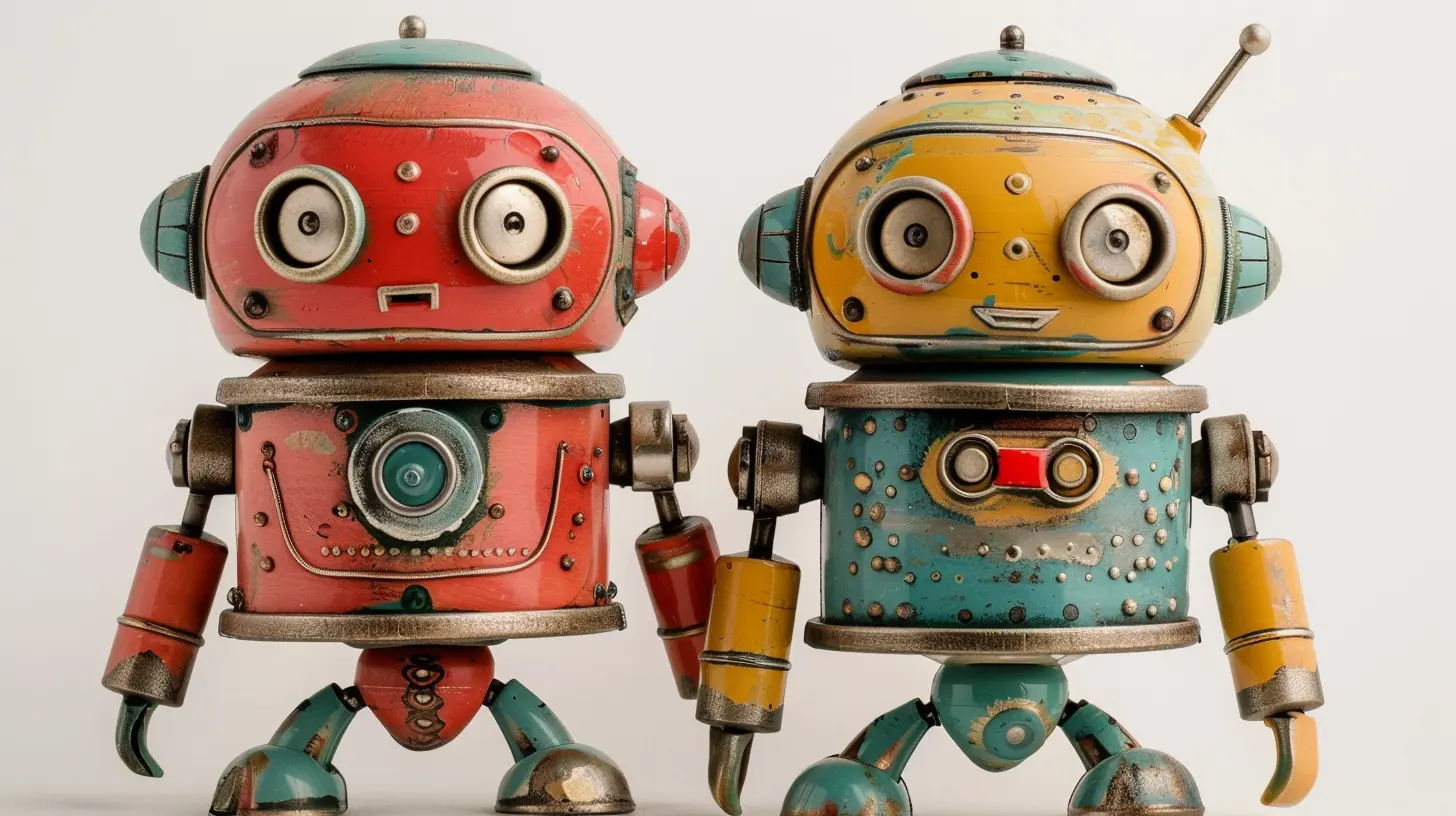
Why B2C Brands Are Embracing Chatbots
So, why are businesses flocking to chatbots like bees to honey? It boils down to three main things: speed, scale, and personalization.1. Available 24/7 (Like a Coffee Shop That Never Closes)
One of the biggest perks of chatbots is their round-the-clock availability. Whether it’s 3 PM or 3 AM, your chatbot is always online, ready to help.Customers aren’t just shopping from 9 to 5 anymore. They’re browsing during lunch breaks, at midnight, or while waiting for their kids at soccer practice. Chatbots ensure they don’t hit a dead end just because human support isn’t around.
2. Handling More Conversations at Once
Unlike human agents who can juggle maybe 2 or 3 chats at a time (on a good day), chatbots can engage thousands of customers simultaneously. No hold music, no "Please wait to speak with the next available representative" messages.This is especially powerful during product launches, flash sales, or peak shopping seasons.
3. Personalized Customer Journeys at Scale
With smart programming and integrations, chatbots can remember past interactions, recommend products, offer promotions, and even greet repeat visitors by name. It’s like having a knowledgeable store assistant for every single customer—without actually needing an army of them.
Real Talk: The Impact on the Customer Experience
Let’s break down the customer experience benefits in real terms.Faster Response Times
No one likes waiting. Seriously, patience is not a thing people have when they’re online. Chatbots can answer FAQs instantly, process returns, and give order updates in seconds.Quick responses = happy customers.
Reduced Friction in the Buyer Journey
A customer’s path from “interested” to “purchase” can be bumpy. Maybe they’re not sure about sizing, or they have a question about shipping. Enter the chatbot, gently nudging them along, answering questions, suggesting products, and even helping complete the checkout process.Less hassle = higher conversions.
Boosted Loyalty and Retention
Answering customer queries quickly and effectively builds trust. And trust leads to loyalty. Happy customers don’t just come back—they bring friends.Fun fact: According to a report by Salesforce, 89% of consumers are more likely to make another purchase after a positive customer service experience.
Use Cases: How Chatbots Are Being Used in B2C
Let’s bring it to life with some real-world applications.1. Pre-purchase Assistance
Say someone’s browsing your site and has questions about a product. A chatbot can pop up and proactively offer to help—like a salesperson in a store.They can compare products, explain features, offer size guides, and even apply discount codes.
2. Order Tracking and FAQs
No one wants to dig through emails to track a package. Chatbots can instantly pull up order statuses, shipping updates, and answer common questions like return policies, store hours, or payment options.The result? Less clutter for your support team, and faster answers for your customers.
3. Post-purchase Engagement
The sale isn’t the end—it’s the beginning of a relationship. Chatbots can follow up with customers to ask for feedback, provide support for product setup, and offer related product suggestions.That kind of attention keeps customers coming back.
4. Running Promotions and Campaigns
Want to announce a flash sale or drop a new product? Chatbots can send out alerts via messaging apps and even guide users to the best deals based on their preferences.It’s conversational marketing at its finest.
Potential Pitfalls (And How to Avoid Them)
Okay, we’ve been all sunshine and rainbows so far—but let’s keep it real. There are some common chatbot mistakes that can hurt your customer experience if you’re not careful.Misunderstanding User Intent
Nothing frustrates a user more than a bot that doesn’t “get it.” If your chatbot isn’t well-trained or equipped to understand various queries, it can backfire. Invest in good NLP and test regularly.Over-Automation
Don’t try to automate everything. Some situations require a human touch—like handling complaints, solving complex problems, or dealing with emotional situations. Always offer an easy way to reach a human.Robotic Language
Nobody likes talking to a robot that sounds... like a robot. Give your chatbot a little personality. Use friendly language, emojis (where appropriate), and humor if it fits your brand.Best Practices for Integrating Chatbots in B2C
If you’re ready to roll out a chatbot, here are some tips to ensure you're doing it right.Choose the Right Platform
Where are your customers hanging out? Website? Instagram? WhatsApp? Start with one or two platforms where engagement is highest.Start Simple and Scale
Don’t try to build the most advanced AI-powered chatbot out of the gate. Begin with answering FAQs or providing basic support and grow from there.Train Your Bot Well
Feed it real customer queries so it can learn. Update its knowledge base often. And most importantly, monitor conversations to keep improving.Transparency is Key
Let users know they’re talking to a chatbot upfront. But assure them help is on the way if needed. Managing expectations can avoid a lot of frustration.Make Handoff Easy
If the bot hits a wall, make sure it can hand off to a real person smoothly. Better yet, provide a “Talk to a human” option at all times.Let's Talk ROI: Is Your Chatbot Worth It?
Absolutely. But like any investment, it needs to be measured.Key Metrics to Track:
- Response time: How quickly does the bot respond?- Resolution rate: How many queries are solved without human help?
- Customer satisfaction (CSAT): Are users happy with the support?
- Conversion rate: Are people buying more because of the chatbot?
- Cost savings: How much less are you spending on support?
When done right, chatbots don't just enhance customer experience—they actually contribute to your bottom line.
The Future of Chatbots in B2C
Buckle up, because the chatbot revolution is just getting started.With advancements in AI, machine learning, and voice recognition, chatbots are becoming smarter, more intuitive, and even capable of handing emotional context. In the near future, customers might not even realize they’re chatting with a bot at all.
Voice bots, omnichannel bots, and highly personalized interactions will soon be the norm. Forward-thinking B2C brands that get on board early? They’ll be lightyears ahead.
Final Thoughts
Here’s the deal: your customers are changing, and your support needs to change with them. Integrating chatbots into your B2C strategy isn’t just a nice-to-have anymore—it’s essential.When thoughtfully implemented, chatbots can dramatically improve your customer experience, reduce operational costs, and help build lasting relationships with your customers.
Don't aim for perfection on day one. Start simple, test and tweak, and always keep the customer at the heart of every interaction. Because in the end, it’s not just about automation—it’s about human connection, delivered smarter.
all images in this post were generated using AI tools
Category:
B2c MarketingAuthor:

Susanna Erickson
Discussion
rate this article
1 comments
Oscar Cooper
Great insights! Chatbots truly transform engagement.
June 24, 2026 at 11:32 AM
Susanna Erickson
Thanks for your feedback! I'm glad you found the insights valuable. Chatbots really can make a big difference in how businesses connect with customers.