Industry Giants vs. Newcomers: Who Wins in the Age of Disruption?
18 August 2026
Let’s face it—business today isn’t what it used to be. The rules are changing faster than you can say "digital transformation." In a world where technology evolves overnight and consumer expectations shift like sand dunes in a storm, the age-old question gets louder: Industry giants vs. newcomers—who’s really winning in the age of disruption?
Is it the big dogs with decades of experience, deep pockets, and global reach?
Or the scrappy startups with fresh ideas, agility, and nothing to lose?
Let’s dive in and break it all down.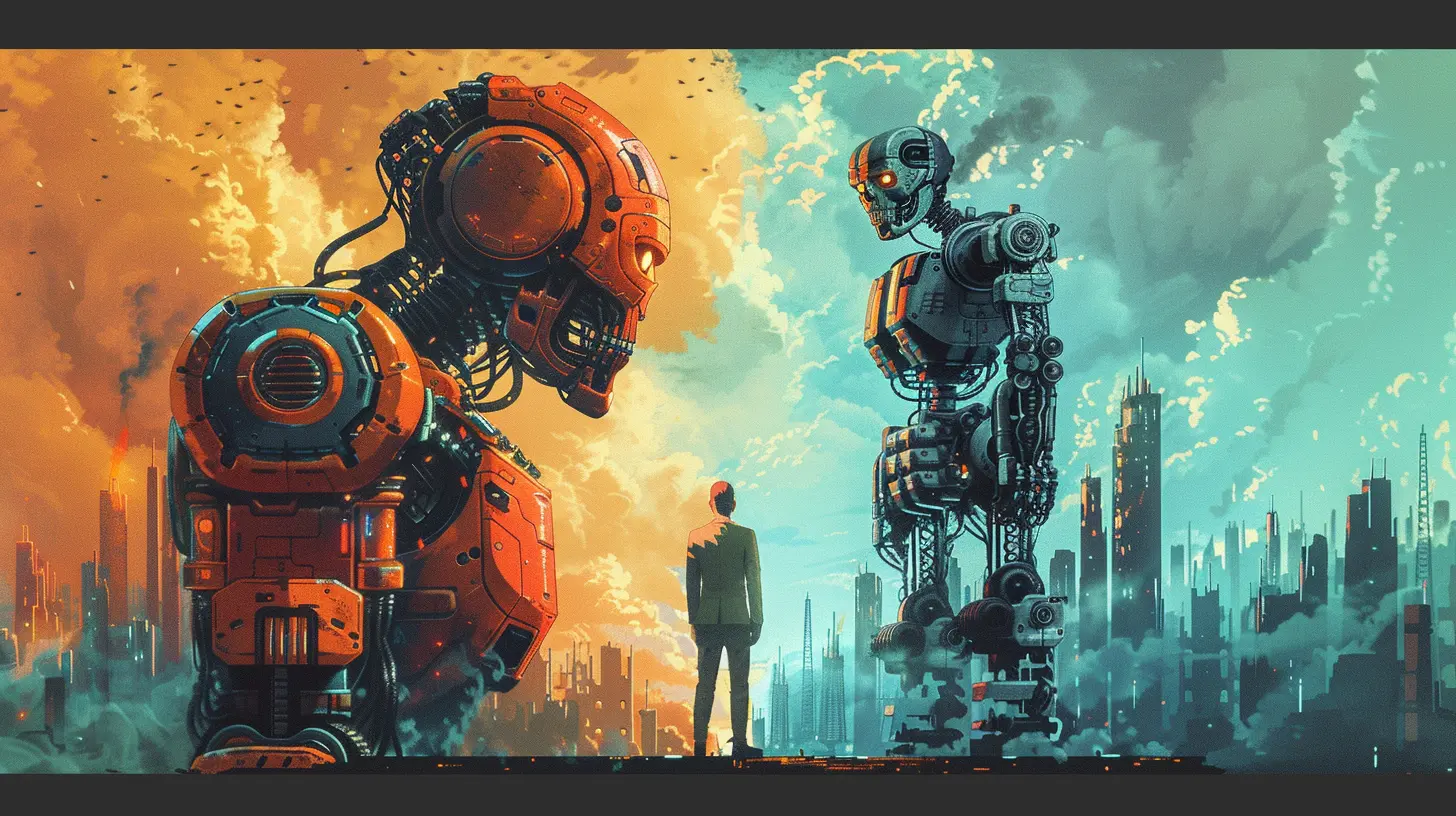
The New Game: What Disruption Really Means
Disruption isn’t just a trendy buzzword tossed around during boardroom meetings. It's a seismic shift. Think of it like a massive wave—those who learn to ride it can coast effortlessly into the future. Those who don’t? Well... they get wiped out.Disruption today mostly comes from advancements in tech, digital transformation, and changing consumer behavior. It's not just about doing things better; it's about doing things differently—and sometimes flipping the whole script.
Take Netflix and Blockbuster. One saw the wave, rode it, and became a streaming king. The other? It clung to old ways and got left behind.
So, the question becomes—who’s better at riding this wave? Big corporations or hungry newcomers?
The Giants: Big, Bold, But Sometimes... Slow
Industry giants are like cruise ships. They’re massive, powerful, and built to handle long journeys. But turning them around? Not so easy.✅ Strengths Big Companies Bring to the Table:
1. Resources Galore – Capital, manpower, tech—you name it, they’ve got it.2. Brand Reputation – People know them. Trust is already there.
3. Customer Base – Millions of loyal clients provide steady revenue.
4. Global Reach – Infrastructure across continents helps scale smoothly.
5. Data Access – Years of customer data fuel marketing and R&D.
❌ But Here’s Where They Struggle:
1. Slow to Change – Bureaucracy kills innovation.2. Risk Aversion – Too much to lose, so they play it safe.
3. Siloed Departments – Poor communication slows down decision-making.
4. Complacency – Past success can cloud future threats.
Remember Kodak? They literally invented digital photography. But they were so tied to their film business they shelved the tech—and paid the price.
The Newcomers: Nimble, Bold And Fearless
Startups and new market entrants are lean, mean, innovation machines. They’re like speedboats—fast, flexible, and ready to pivot anytime.✅ Why Newcomers Shine:
1. Agility – They can change course in a heartbeat.2. Innovation Focus – Disruption is in their DNA.
3. Customer-Centric – They obsess over solving specific problems.
4. Risk-Taking – With little to lose, they’re all in.
5. Modern Tech Stack – No legacy systems dragging them down.
Think of Airbnb taking on the hotel industry or Uber flipping the taxi business. These weren’t accidents—they were calculated acts of boldness and speed.
❌ Here’s Where Startups Can Stumble:
1. Limited Resources – Funding and staff can run thin.2. Brand Trust – They’ve got to earn it from scratch.
3. Scalability Issues – Growth can stretch them beyond limits.
4. Market Education – Introducing new concepts takes time.
Being small can mean you're nimble—but it can also mean you’re vulnerable.
David vs. Goliath: Real-World Face-Offs
To really understand this tug-of-war, let’s look at some classic showdowns in the marketplace.1. Tesla vs. the Auto Industry
Elon Musk’s electric baby wasn’t welcomed with open arms. Traditional carmakers laughed at Tesla... until it zoomed past them in market cap. Now, every major automaker is scrambling to catch up in the EV space.Winner? Tesla—for now. But legacy players are waking up.
2. Zoom vs. Telecom Giants
When remote work exploded in 2020, Zoom became a household name. It beat out giants like Cisco, Microsoft, and Google in video conferencing—at least initially.Winner? Newcomer, thanks to being first to solve a specific problem really well.
3. Amazon vs. Bookstores (Then, Everything Else)
Amazon didn’t just disrupt books—it rewrote the playbook for eCommerce. The rest is history.Winner? Giant—though it started as a newcomer, proving disruption can grow into dominance.
The Hybrid Solution: Giants Acting Like Startups
Here’s the twist: what if big companies could actually behave like startups?Guess what? Some of them are already doing it—and doing it well.
Examples:
- Google’s "20 Percent Time" encourages employees to spend part of their time on side projects. That’s how Gmail was born.- Walmart’s Innovation Labs allow them to test new tech without risking the core business.
- Microsoft's Acquisition Strategy brings in fast-moving startups to stay relevant—like buying LinkedIn and GitHub.
Large companies that stay curious, humble, and agile can absolutely win in the long run.
The Middle Ground: Collaboration Over Competition
Guess what’s even smarter than competing?Collaborating.
When giants bring their reach and resources, and newcomers bring their fresh ideas and speed, it’s magic.
Think:
- Apple x App Developers – The App Store thrives thanks to indie creators.- Big Pharma x Biotech Startups – R&D partnerships fuel innovation.
- Legacy Banks x Fintechs – Merging security with slick UX.
Everyone wins—companies, consumers, and the industry.
What the Future Looks Like in the Age of Disruption
Here’s the deal—disruption isn’t going away. If anything, it’s speeding up. AI, blockchain, Web3, metaverse... every industry is ripe for reinvention.So, who wins in the long run?
Honestly, those who adapt. Not necessarily the biggest. Not the newest. But the ones who can read the room, pivot quickly, and serve customers better than anyone else.
It's not about age—it’s about attitude.
Final Thoughts: The Real Winner? The Consumer
Whether it’s a century-old titan or a two-year-old garage startup, the ones who win are the ones who meet your needs—the fastest, easiest, and smartest way.That’s the beauty of disruption. It doesn’t play favorites.
So next time you’re watching a new app topple a giant, or a big brand reinvent itself, remember—it’s all part of the same dance.
Innovation isn’t about who you are. It’s about what you do with what you’ve got.
Tips for Businesses Navigating Disruption Today
Before we wrap up, here are some takeaway tips—whether you’re running a startup or steering a legacy ship:For Industry Giants:
- Create internal startup teams to test new ideas.- Cut red tape and empower employees to innovate.
- Stay customer-obsessed, not process-obsessed.
- Watch the disruptors closely and learn from them.
For Newcomers:
- Focus on solving one clear pain point exceptionally well.- Get your MVP (minimum viable product) out fast—then iterate.
- Build trust through transparency and consistency.
- Collaborate with bigger players when it makes sense.
Remember, it’s not a war. It’s a race to stay relevant.
all images in this post were generated using AI tools
Category:
Industry DisruptionAuthor:

Susanna Erickson
Discussion
rate this article
2 comments
Sera Castillo
This article sheds light on the ongoing battle between established industry giants and innovative newcomers. It's fascinating to see how disruption fuels competition and pushes both sides to adapt. The strategies discussed could shape the future landscape significantly.
September 3, 2026 at 4:12 AM
Zane Forbes
Size matters, but sometimes a little spark ignites the big flames!
August 31, 2026 at 12:13 PM
Susanna Erickson
Absolutely! It's often the fresh ideas from newcomers that can challenge the giants and lead to significant change. Size isn't everything.