Dropshipping vs. Traditional E-Commerce: Which Model Is Right for You?
10 February 2026
Alright, so you’ve caught the entrepreneurial bug, huh? You're itching to dive into the world of online selling, imagining yourself sipping espresso on a beach in Bali while orders magically roll in. Sweet dream, my friend. But before you start planning your victory dance, you’ve got to make a big decision: are you going to go full-on dropshipping, or are you taking the traditional e-commerce route?
You might be asking, “How different can they be?” Oh, buckle up. These two models are like cousins who get along at family reunions but would never start a business together. One is chill and low-maintenance, the other is ambitious and high-stakes. Choosing the right one could mean the difference between sipping that espresso—or drowning in unsold inventory.
Let’s break it all down in a fun, human, totally non-boring way.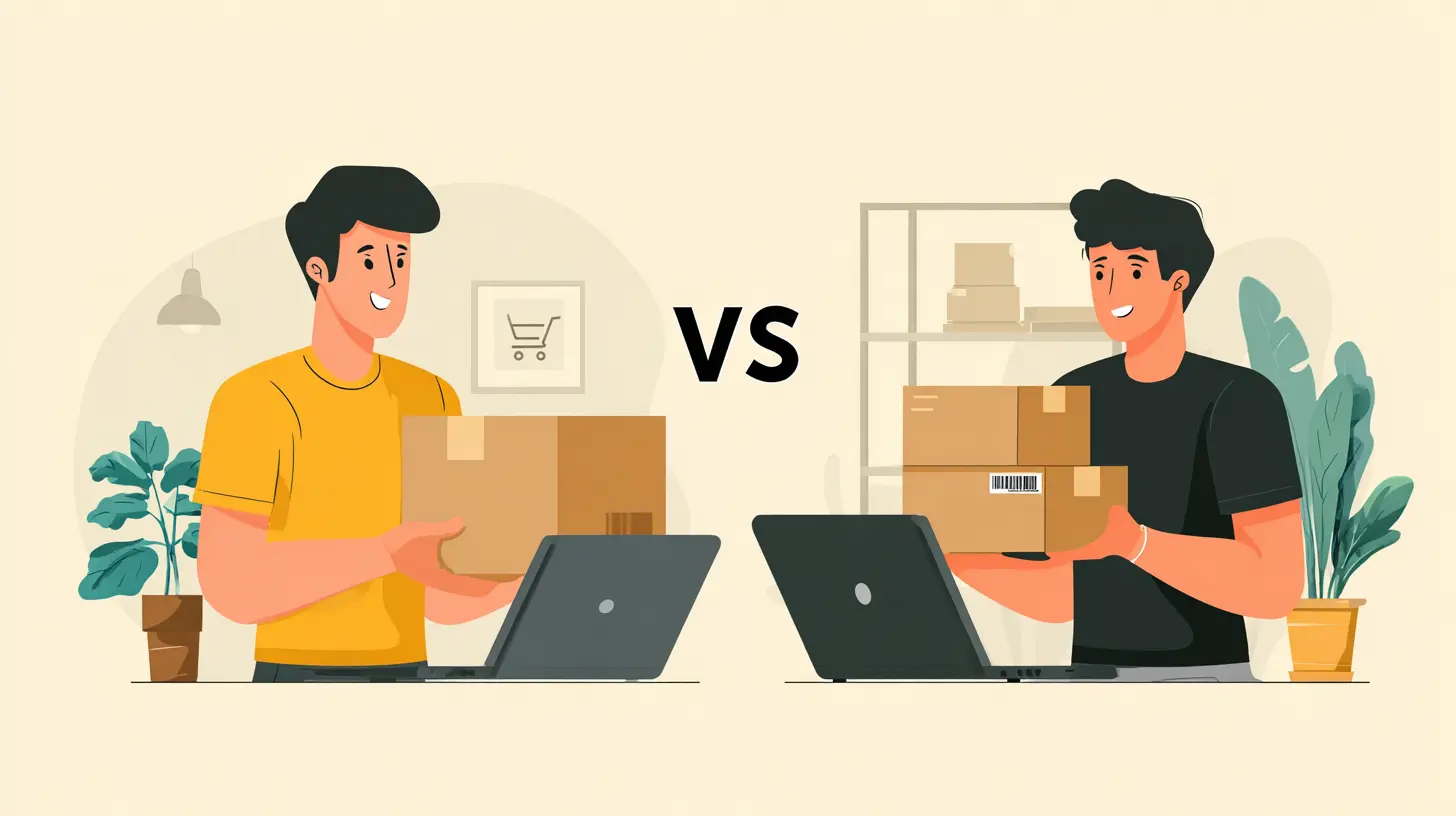
🌟 The Basics: What Are We Dealing With Here?
Dropshipping: No Stock, No Problem?
Dropshipping is the cool, laid-back friend of e-commerce. Here’s how it works: you set up an online store, list products you don’t actually own, and when someone makes a purchase, the order goes straight to your supplier. They handle the inventory, packing, and shipping. You? You just sit in your metaphorical hammock and manage the orders.It’s kind of like being a middleman with flair. You don’t get your hands dirty with boxes or tape, and your garage remains car-friendly.
Pros of Dropshipping:
- Low upfront costs
- No need for inventory
- Work from anywhere (yes, even your grandma’s basement)
- Scalable as heck
Cons of Dropshipping:
- Slim profit margins (you’re not the only middleman in town)
- Little control over product quality or shipping speed
- Competition can get cutthroat real fast
- Customer service headaches (yep, you’ll still be the one apologizing for shipping delays)
Traditional E-Commerce: Be the Boss of Your Box
Traditional e-commerce is the real-deal, roll-up-your-sleeves, inventory-in-your-garage model. You buy or manufacture products upfront, store them somewhere (your house, a warehouse, or your cousin’s basement—whatever works), and ship them out yourself, or through a fulfillment center like Amazon FBA.This model gives you full control. You know your product inside-out, and you can personally slap a "Thank You" sticker on every box if that’s your thing.
Pros of Traditional E-Commerce:
- Higher profit margins (you’re cutting out the middleman—you!)
- Total control over product, branding, and packaging
- Greater reliability and customer trust
- Easier to build a long-term brand
Cons of Traditional E-Commerce:
- Requires investment (money, time, and probably pizza)
- You need to manage inventory (and that means counting things)
- You’re responsible for shipping and returns
- Risk of overstocking and under-selling (a.k.a. "Why do I have 500 phone cases in my closet?")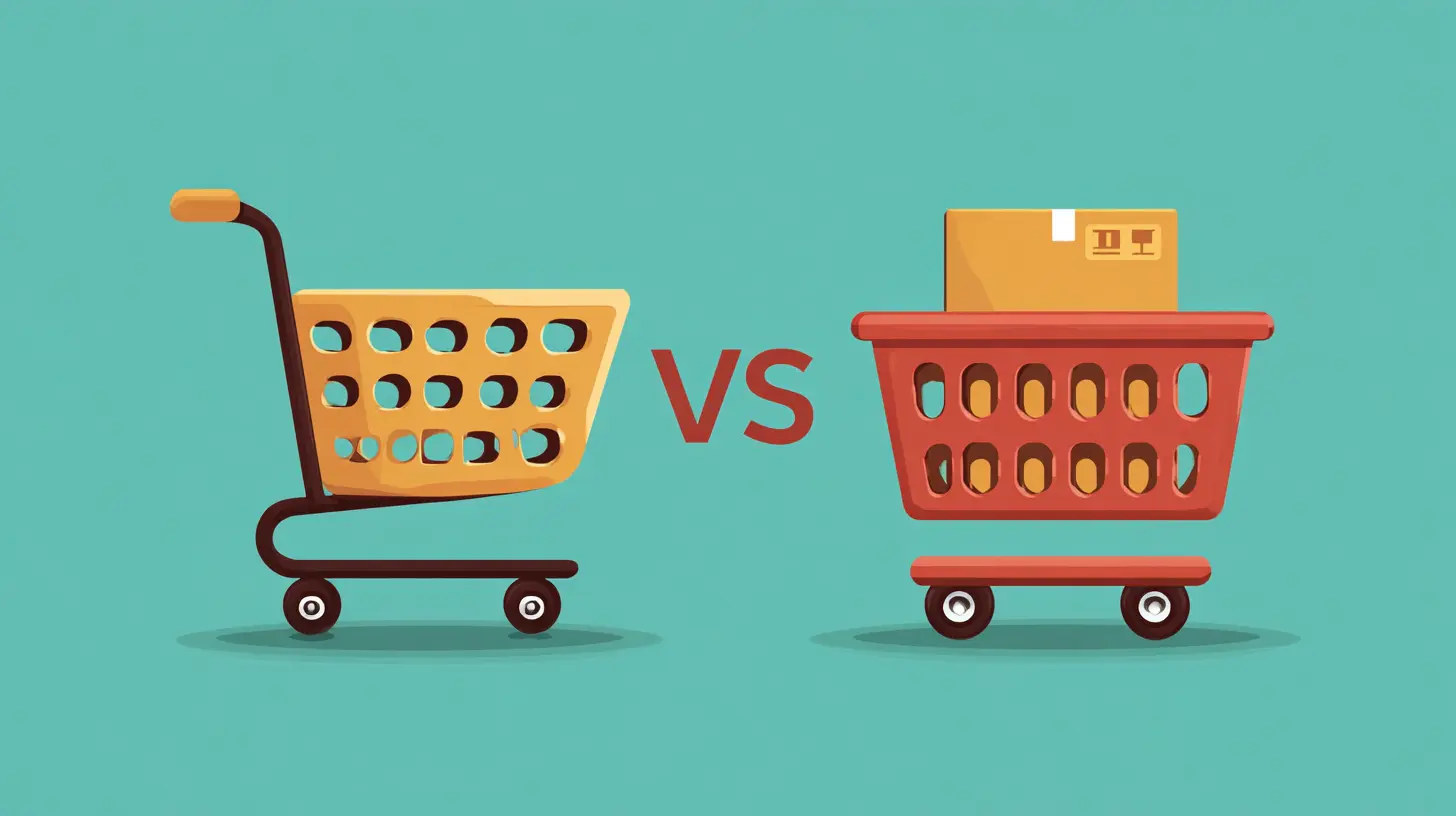
🧠 Mind Matters: What Kind of Business Brain Do You Have?
Here’s the deal: your success in either model depends heavily on your personal style. Let’s play a little game of introspection.Are You the Bootstrapper?
If you’ve got a tight budget, are allergic to risk, or just want to test the waters of entrepreneurship without getting fully soaked—ding ding ding! Dropshipping might be your jam.You’ll get to play around with marketing, build a sleek online store, and see if the whole “online business” thing is your destiny. It’s like dating before marriage. Low commitment, high learning.
Are You the Control Freak (No Judgment)?
Do you love to have a say in EVERYTHING? I'm talking product labels, packaging peanuts, and even the “unboxing experience”? Then buddy, traditional e-commerce is your soulmate. Building a brand from the ground up is deeply satisfying for control-lovers. You’ll sleep better at night knowing your customers are opening exactly what you envisioned.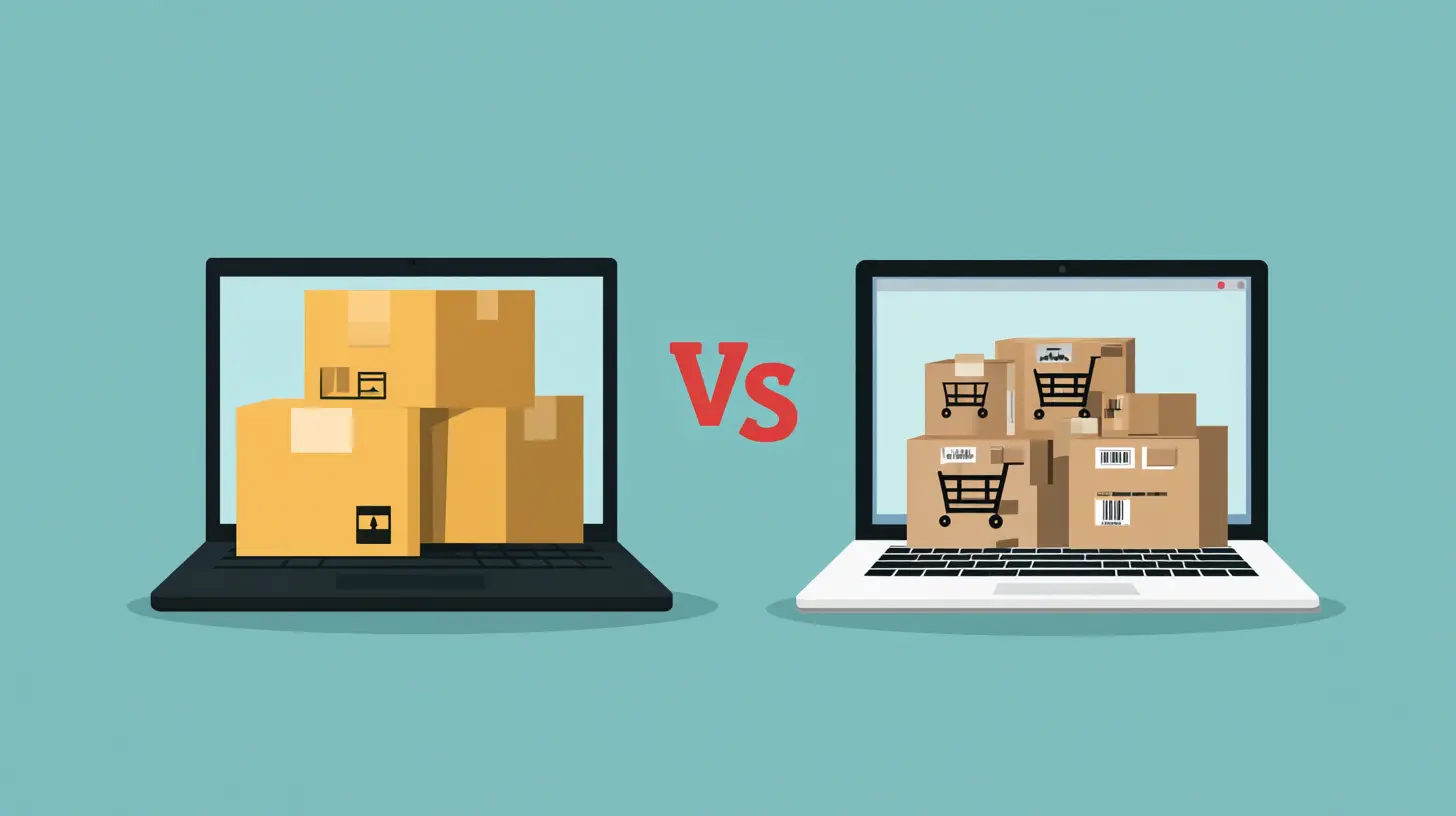
💸 The Money Stuff: Show Me the $$$
Dropshipping and Dollars
The good news: dropshipping has pretty much no barrier to entry. You can start with a hundred bucks (or less), a laptop, and a dream. But here's the kicker—profits are usually thin. You might make $5-$10 per order, if that.Plus, with everyone and their dog selling the same stuff (yes, literally, even pet stores are in on this), you’ve got to compete on price, ads, and vibes.
Traditional E-Commerce and the Bank Account
This one needs a bit more dough upfront. You’re buying inventory, possibly building custom packaging, maybe even getting a manufacturer involved. But with more risk comes more reward. Your margins could be 50% or higher, depending on your niche.And once you’ve got a loyal customer base? Cha-ching. You're not just selling a product—you’re building a brand people trust.
🚚 Logistics: Who’s Doing the Heavy Lifting?
With dropshipping, logistics are outsourced. You’re not packing boxes or waiting in line at the post office. This can be a godsend—or a nightmare if your supplier messes up. (Spoiler: they will.)With traditional e-commerce, you’re responsible for fulfillment. Whether that means mailing packages from your kitchen table or paying for a third-party logistics (3PL) provider, the buck stops with you.
Ask yourself: Are you cool with yelling at suppliers in broken Mandarin at 2 AM, or would you rather just trust your own two hands?
📦 Branding & Customer Experience: Whose Story Are You Telling?
Branding is where traditional e-commerce absolutely crushes it.In dropshipping, you’re often selling generic items with zero control over packaging or unboxing. You’re basically the digital equivalent of a dollar store (no offense, dollar stores—we love your $1 snacks).
With traditional e-commerce, you call the shots. Want branded tissue paper? Do it. Custom thank-you notes? Absolutely. A confetti bomb in every box? Uhh… maybe don’t. But you get the idea.
The more “you” the brand feels, the more customers bond with it—and come back.
📈 Growth Potential: Where’s the Ceiling?
Let’s talk scalability.Dropshipping is easier to scale fast. You’re not limited by how much inventory you can store or how many boxes you can tape up before your wrists give out. With some hot ads and a bit of luck, you could go from zero to several thousand dollars in revenue overnight (and yes, it’s happened).
Traditional e-commerce scales more slowly, but the growth is often longer-lasting. You’re building something with roots. Customers remember your brand. Referrals happen. Reviews roll in. You're not just surfing the wave—you’re building the wave machine.
So, are you sprinting or are you in it for the marathon?
🛠️ Tools of the Trade
Whether you're dropshipping or going traditional, you'll need a toolkit. Here's a cheat sheet:For Dropshipping:
- Shopify + Oberlo (or DSers)
- AliExpress, Spocket, or CJ Dropshipping
- Canva (marketing, baby!)
- Ads Manager (Facebook, TikTok, Google—you’ll become BFFs)
For Traditional E-commerce:
- Shopify/WooCommerce
- Inventory Management Software (like TradeGecko)
- Fulfillment Centers (Amazon FBA, ShipBob, or DIY)
- Product photography tools (nobody’s buying your product if it looks like it’s been through a potato camera)
💥 Real Talk: Which One Is Actually "Better"?
Look, neither model is inherently better. It’s all about what makes sense for you.Do you want to test a lot of products fast without putting much money in? Dropshipping.
Do you want to build a rock-solid brand that you might sell one day for a yacht-load of cash? Traditional e-commerce.
There’s also a sneaky third option: hybrid. Start with dropshipping to test product ideas, and once you find your unicorn? Bulk order that sucker, brand it, and go traditional. Boom—best of both worlds.
👀 Final Thoughts: Choose Your Fighter
In the end, whether you’re a laid-back dreamer or a take-control boss, both dropshipping and traditional e-commerce can lead to success.One is like renting an apartment—low responsibility, easy in and out. The other is like buying a house—you’re investing, customizing, and building value long-term.
So, think about your goals, budget, risk tolerance, and how much you enjoy taping up cardboard boxes at midnight. Then, dive in.
Because the truth is... whether it’s dropshipping or traditional e-commerce, the only wrong choice is not starting at all.
🧠 Pro Tip Before You Go:
Whichever path you choose, remember: marketing is king. Whether you're selling unicorn mugs from AliExpress or hand-crafted walnut cutting boards from your garage, if no one sees it, no one buys it. So brush up on those SEO skills, run ads like a digital ninja, and get yourself visible online.Your future customers are out there, credit cards in hand. Go get ‘em, tiger.
all images in this post were generated using AI tools
Category:
E CommerceAuthor:

Susanna Erickson
Discussion
rate this article
2 comments
Colette McGeehan
Intriguing comparison—what's your strategy?
March 13, 2026 at 12:55 PM
Susanna Erickson
Thanks for your interest! My strategy focuses on understanding your target market and leveraging the strengths of each model to fit your business goals.
Arlo McClellan
Both dropshipping and traditional e-commerce offer unique advantages and challenges. Dropshipping allows for lower upfront costs and minimal inventory risk, while traditional e-commerce can provide greater control and branding opportunities. Ultimately, the best choice depends on your business goals and resources.
February 12, 2026 at 5:21 AM
Susanna Erickson
Thank you for your insights! You're absolutely right—each model has its merits, and the choice really hinges on individual business objectives and capabilities.