Why the Food and Beverage Industry Is Ripe for Disruption
4 October 2026
The food and beverage industry sits at a strange crossroads. On one side, it is one of the oldest and most tradition-bound sectors in the global economy. Families have passed down recipes and production methods for generations. Consumers form deep emotional attachments to brands they grew up with. On the other side, the industry is under enormous pressure from shifting consumer expectations, supply chain fragility, climate concerns, and technological change that has already reshaped retail, media, and finance.
That tension is exactly what makes food and beverage such a compelling target for disruption. When an industry combines deep tradition with rapidly changing demand, the gap between what incumbents offer and what customers want tends to widen. Eventually, someone fills that gap. The question is not whether the food and beverage industry will be disrupted. It is who will do it, where it will happen first, and how existing players can respond before they lose their footing.
This article examines why the industry is so vulnerable to change, where the most promising opportunities lie, what typically goes wrong when newcomers try to shake things up, and how both startups and established companies can act on these insights.
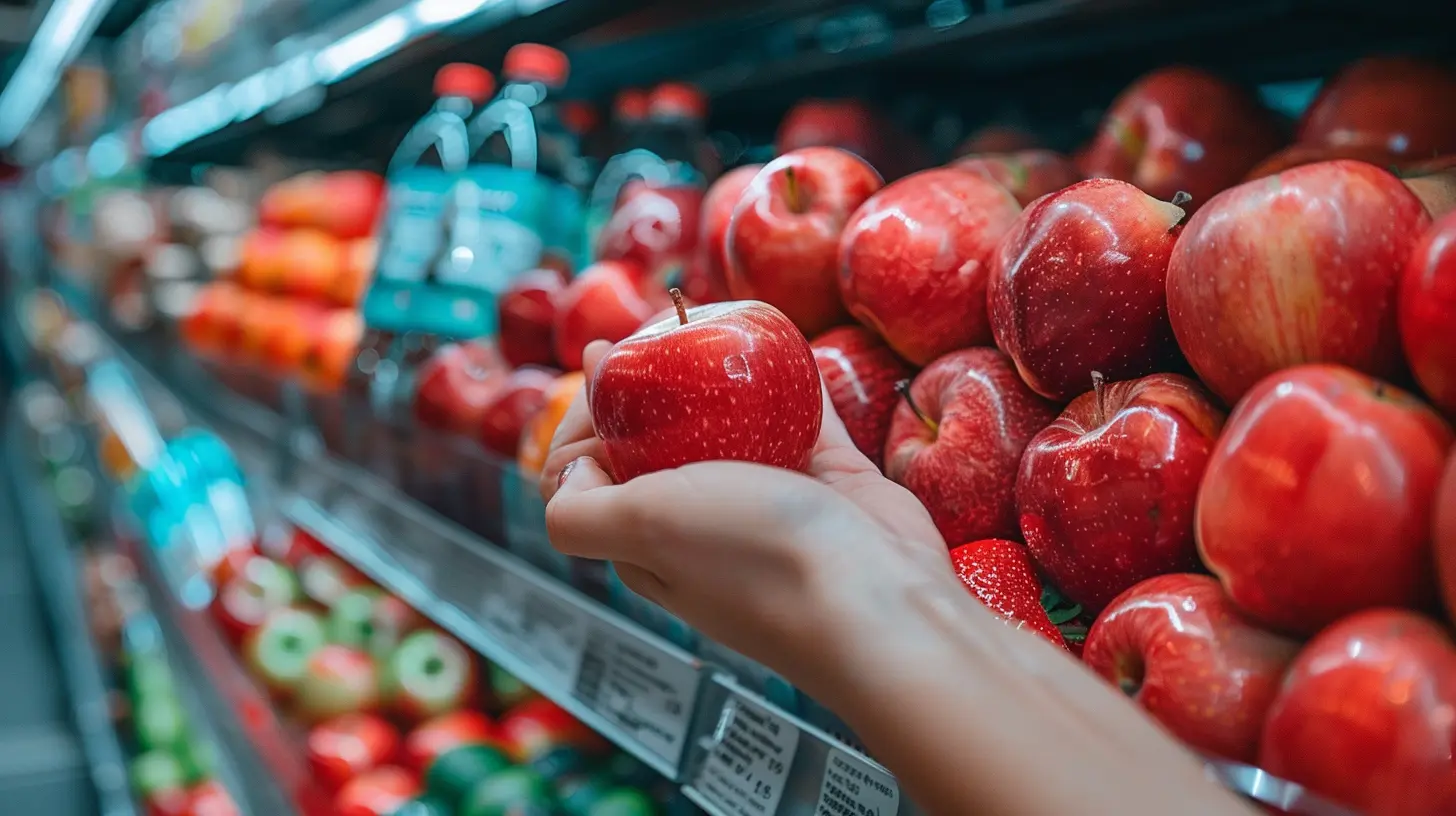
The Structural Weaknesses That Make Food and Beverage Vulnerable
Thin Margins Meet Rising Costs
Most food and beverage businesses operate on razor-thin margins. A typical grocery retailer might earn two to three cents on every dollar of revenue. A beverage producer might earn slightly more, but still less than many software or consumer packaged goods companies in other categories. When margins are that thin, any increase in input costs, labor, logistics, or regulatory compliance squeezes profitability hard.This creates a paradox. Thin margins make incumbents reluctant to invest in innovation because they cannot afford many failures. But that same reluctance leaves them exposed when a new entrant finds a more efficient way to serve the same customer. A startup with venture funding can absorb losses for years while it builds a better model. An established manufacturer with a board and quarterly earnings targets usually cannot.
Fragmented Supply Chains With Hidden Fragility
Food and beverage supply chains are remarkably complex. A single product might involve ingredients from a dozen countries, processing facilities in several regions, and distribution networks that span continents. Each link introduces risk. A drought in one region, a port strike in another, or a contamination event at a single facility can ripple through the entire system.The COVID-19 pandemic exposed how fragile these chains can be. Meat processing plants shut down. Shipping container costs spiked. Restaurants that depended on a narrow set of suppliers scrambled to find alternatives. Many companies discovered they had optimized for cost at the expense of resilience, and the trade-off finally caught up with them.
Disruption thrives in environments where incumbents are locked into rigid systems. A new entrant can design a more flexible supply chain from scratch, using regional sourcing, modular production, and data-driven forecasting. That flexibility becomes a competitive weapon.
Changing Consumer Expectations
Consumers today expect more from food and beverage brands than previous generations did. They want transparency about ingredients and sourcing. They care about sustainability, animal welfare, and labor practices. They want products that fit specific dietary needs, whether that means low sugar, high protein, plant-based, gluten-free, or something else entirely. And they want all of this at a reasonable price, delivered conveniently.Many established brands built their businesses around a different set of assumptions. They optimized for shelf stability, mass appeal, and low production costs. Those priorities do not always align with what modern consumers value. When a brand cannot pivot quickly, it creates an opening for a smaller, more agile competitor.
Where Disruption Is Already Taking Hold
Direct-to-Consumer Models
One of the clearest disruptions in food and beverage has been the rise of direct-to-consumer brands. Instead of fighting for shelf space in grocery stores, these companies sell online and ship directly to customers. This model offers several advantages.First, it removes the middleman. A direct-to-consumer brand captures more of the retail price and owns the customer relationship. Second, it generates data. Every order tells the company something about preferences, buying cycles, and price sensitivity. Third, it allows for rapid iteration. A new flavor or packaging format can be tested with a small audience before committing to large-scale production.
The trade-offs are real, though. Shipping perishable or heavy products is expensive. Customer acquisition costs can be high in a crowded digital advertising market. And without physical retail presence, building trust with new customers takes longer. Brands that succeed in this space usually combine a strong online presence with selective retail partnerships, using each channel for what it does best.
Alternative Proteins and Novel Ingredients
Plant-based meat, cultivated meat, and fermentation-derived proteins have attracted significant investment and attention. The reasons are straightforward. Conventional animal agriculture is resource-intensive, contributes to greenhouse gas emissions, and faces growing scrutiny from consumers and regulators. Alternatives promise similar taste and nutrition with a lower environmental footprint.However, the path forward is not simple. Plant-based products have struggled to match the taste and texture of conventional meat for some consumers. Cultivated meat remains expensive to produce at scale and faces regulatory hurdles in many markets. Fermentation-based proteins show promise but require significant infrastructure investment.
The lesson here is that disruption does not happen overnight. It happens when a new technology crosses a threshold of cost, quality, and convenience that makes it viable for mainstream adoption. Investors and entrepreneurs who understand this timeline can position themselves well. Those who assume change will happen faster than it does often burn through capital before the market is ready.
Personalized Nutrition
Another area gaining traction is personalized nutrition. Instead of buying generic products, consumers can now order foods tailored to their genetic profile, microbiome, or health goals. Companies in this space use data from wearables, blood tests, and questionnaires to recommend or produce customized products.This approach works because it addresses a genuine pain point. Many people struggle to figure out what they should eat. Generic dietary advice often fails because individuals respond differently to the same foods. Personalized nutrition offers a more precise answer.
The challenges are practical. Collecting and interpreting health data raises privacy concerns. Producing customized products at scale is more complex than mass production. And convincing consumers to pay a premium for personalization requires demonstrating clear benefits. Companies that navigate these issues carefully can build loyal customer bases, but those that overpromise or mishandle data risk damaging trust.
Why Incumbents Struggle to Respond
The Innovator's Dilemma in Food and Beverage
Clayton Christensen's concept of the innovator's dilemma applies directly to this industry. Established companies tend to focus on their most profitable customers and products. They invest in incremental improvements because those are safer bets. Disruptive innovations often start in low-margin segments or underserved markets, where incumbents see little reason to compete.By the time a disruptive product becomes attractive to mainstream customers, the incumbent has lost the opportunity to lead. This pattern has played out in retail, media, and technology. It is now playing out in food and beverage.
Consider a large beverage company that earns most of its profit from sugary sodas. Investing heavily in low-sugar alternatives might cannibalize its core business. So it moves slowly, waiting to see how the market develops. Meanwhile, a smaller competitor with nothing to lose builds a strong position in the emerging category. By the time the incumbent decides to act, the competitor has already established brand loyalty and distribution.
Organizational Inertia
Large food and beverage companies also face organizational challenges. Decision-making is often slow. Multiple departments must sign off on new initiatives. Supply chains are optimized for existing products, making it difficult to introduce something radically different. And internal incentives often reward maintaining the status quo rather than taking risks.This does not mean large companies cannot innovate. Some do it well by creating separate business units, acquiring startups, or partnering with accelerators. But the default outcome, without deliberate effort, is inertia. And inertia is exactly what disruptors exploit.
Common Mistakes When Trying to Disrupt Food and Beverage
Underestimating Distribution
Many founders come from technology or consumer goods backgrounds and assume that a great product will sell itself. In food and beverage, distribution is often the hardest part. Getting into grocery stores requires convincing buyers, paying slotting fees, and committing to promotional spending. Maintaining presence requires consistent quality and reliable supply.Companies that ignore distribution realities often fail even when their products are excellent. The ones that succeed usually build distribution expertise early, whether by hiring experienced salespeople, partnering with distributors, or starting with a channel they can control, such as farmers markets or online sales.
Ignoring Unit Economics
It is easy to get excited about revenue growth. It is harder to build a business that makes money on every unit sold. Food and beverage companies often face high costs for ingredients, packaging, shipping, and customer acquisition. If those costs exceed the price customers are willing to pay, the business cannot survive.Smart operators model unit economics carefully before scaling. They look at contribution margin per unit, customer lifetime value, and payback period on acquisition costs. They test pricing and adjust. They look for ways to reduce costs without compromising quality. This discipline separates businesses that last from those that flame out.
Misreading Consumer Behavior
Consumers say they want healthy, sustainable, convenient products. What they actually buy sometimes tells a different story. Price, taste, and habit often trump good intentions. A product that scores well in surveys may still fail in the market if it does not deliver on the basics.Successful disruptors pay attention to what customers do, not just what they say. They test products in real-world conditions. They iterate based on feedback. They accept that changing behavior takes time and that early adopters are not always representative of the broader market.
Best Practices for Disrupting or Adapting
Start With a Specific, Underserved Segment
Trying to serve everyone at once is a recipe for mediocrity. The most successful disruptors start by serving a narrow segment extremely well. This could be people with specific dietary needs, residents of a particular region, or customers who value a particular attribute such as sustainability or convenience.Focusing on a niche allows a company to build a loyal following, refine its product, and establish a beachhead before expanding. It also makes marketing more efficient because the message can be tailored to a specific audience.
Build a Flexible Supply Chain
Rather than locking into long-term contracts with a single supplier, consider building relationships with multiple suppliers and designing products that can accommodate ingredient substitutions. Invest in forecasting tools that use real-time data. Consider regional production to reduce transportation costs and risk.Flexibility costs more upfront, but it pays off when disruptions occur. Companies that treated supply chain resilience as a strategic priority rather than a cost center have weathered recent shocks better than those that did not.
Use Data to Drive Decisions
Food and beverage generates enormous amounts of data, from point-of-sale transactions to supply chain logs to customer feedback. Companies that collect and analyze this data can spot trends earlier, optimize pricing and promotions, and reduce waste.The key is to start small. Pick one or two metrics that matter most and build the capability to track them accurately. Expand from there. Avoid the temptation to build a massive data infrastructure before proving that it delivers value.
Partner Rather Than Compete Everywhere
Not every battle needs to be fought alone. Established companies can partner with startups to access new technologies or products. Startups can partner with established companies to access distribution and manufacturing. Joint ventures, licensing agreements, and strategic investments can create value for both sides.The challenge is aligning incentives and managing cultural differences. Clear agreements, shared goals, and mutual respect go a long way toward making partnerships work.
Think Long-Term
Disruption is rarely a sprint. It is a marathon. Companies that succeed are the ones that stay committed through setbacks, adapt to changing conditions, and keep improving their offerings. This applies to both startups and incumbents.For startups, long-term thinking means managing cash carefully, building a team that can scale, and not chasing every trend. For incumbents, it means investing in innovation even when short-term results are uncertain, and being willing to cannibalize existing products before someone else does.
The Road Ahead
The food and beverage industry will not transform overnight. It is too large, too complex, and too deeply embedded in daily life for that. But the direction of change is clear. Consumers want more choice, more transparency, and more convenience. Technology is making new production methods and business models possible. And the gaps between what incumbents offer and what customers expect are widening.For entrepreneurs, this is an opportunity to build something meaningful. For established companies, it is a call to action. The winners will be those who understand the forces at play, respect the industry's unique challenges, and act with both urgency and discipline.
Disruption is not something to fear. It is something to prepare for. The food and beverage industry is ripe for change, and the companies that embrace that reality, rather than resisting it, will be the ones that thrive in the decades ahead.
all images in this post were generated using AI tools
Category:
Industry AnalysisAuthor:

Susanna Erickson