Why Ethical Behavior is Crucial for Investor Confidence
21 March 2026
Let’s face it—trust is the secret sauce that holds the business world together. Without it, everything crumbles. And when it comes to investors, that trust hinges on ethical behavior. You could have the most innovative product or the slickest marketing plan, but if investors suspect shady dealings, they’ll bolt faster than a cat in a thunderstorm.
In today’s fast-paced market, filled with uncertainty and fierce competition, ethical behavior isn’t just a nice-to-have—it’s a must. It’s the backbone of long-term investment strategy, and frankly, the foundation on which sustainable businesses are built.
So, why is ethical behavior so crucial for investor confidence? Let’s dive into it—no fluff, just real talk—with a breakdown that makes it all crystal clear.
What Exactly Is Ethical Behavior in Business?
Before we get into the weeds, let’s clear the air—what do we mean when we say “ethical behavior” in business?Ethical behavior isn't just about following the law (though that’s part of it); it's about doing what's right, even when no one's watching. Think transparency, honesty, accountability, fairness, and respect for stakeholders. It's about running a business not just for profit, but with a moral compass.
In simple terms—it's doing business in a way you’d be proud to tell your grandma about.
The Backbone of Investor Confidence: TRUST
Investors aren’t just pouring money into spreadsheets. They’re putting their hard-earned cash into people, leaders, and missions. And let’s be honest—they want to sleep peacefully at night knowing their money is in safe hands.When businesses behave ethically, they send a clear message: “You can trust us.” That’s golden in the investing world.
Let’s break it down:
1. Transparency Builds Credibility
Ever tried to play poker with someone who hides their cards, changes the rules mid-game, and refuses to show their hand after winning? Frustrating, right?That’s exactly how investors feel when companies lack transparency.
Ethical businesses provide crystal-clear financial statements, disclose potential risks, and don't sugarcoat their performance. This openness builds credibility. And the more credible a company seems, the more willing investors are to get on board.
2. Accountability Prevents Financial Disasters
Remember Enron? Or how about the 2008 financial meltdown? Those were textbook cases of what happens when accountability goes out the window.Ethical companies admit mistakes, take responsibility for their actions, and have systems in place to prevent misconduct. That's not just good behavior—that’s crisis prevention. Investors appreciate that.
They’re not looking for perfection; they’re looking for alignment with values and a strong moral compass.
3. Consistency Reduces Risk
Investors hate surprises—unless we’re talking about dividends or stock splits.Ethical companies operate consistently, making it easier for investors to predict their behavior and outcomes. That means fewer risks. And less risk means more confidence.
When businesses behave unpredictably—say, changing policies on a whim or hiding bad news—it sends red flags shooting sky-high.
The Link Between Ethics and Long-Term Value
Here’s where it gets really interesting.Ethical companies tend to outperform unethical ones in the long run. Why? Because they focus on sustainable growth rather than short-term wins.
Investors Want More Than Profits
Sure, making money is important—but investors are increasingly looking at Environmental, Social, and Governance (ESG) metrics. They want to support companies that align with their values.A business that mistreats workers, pollutes the environment, or dodges taxes might still turn a profit today, but it’s a ticking time bomb. Ethical behavior helps businesses future-proof their operations.
Ethics = Brand Equity
Think of brand equity like a bank account of goodwill. Every time you act ethically, you make a deposit. Every time you act unethically, you’re making withdrawals.Eventually, if you keep withdrawing without depositing, you’re broke—reputation-wise.
Strong ethics build a positive reputation, which attracts not just investors but also customers, partners, and top-tier talent. It’s a win-win-win.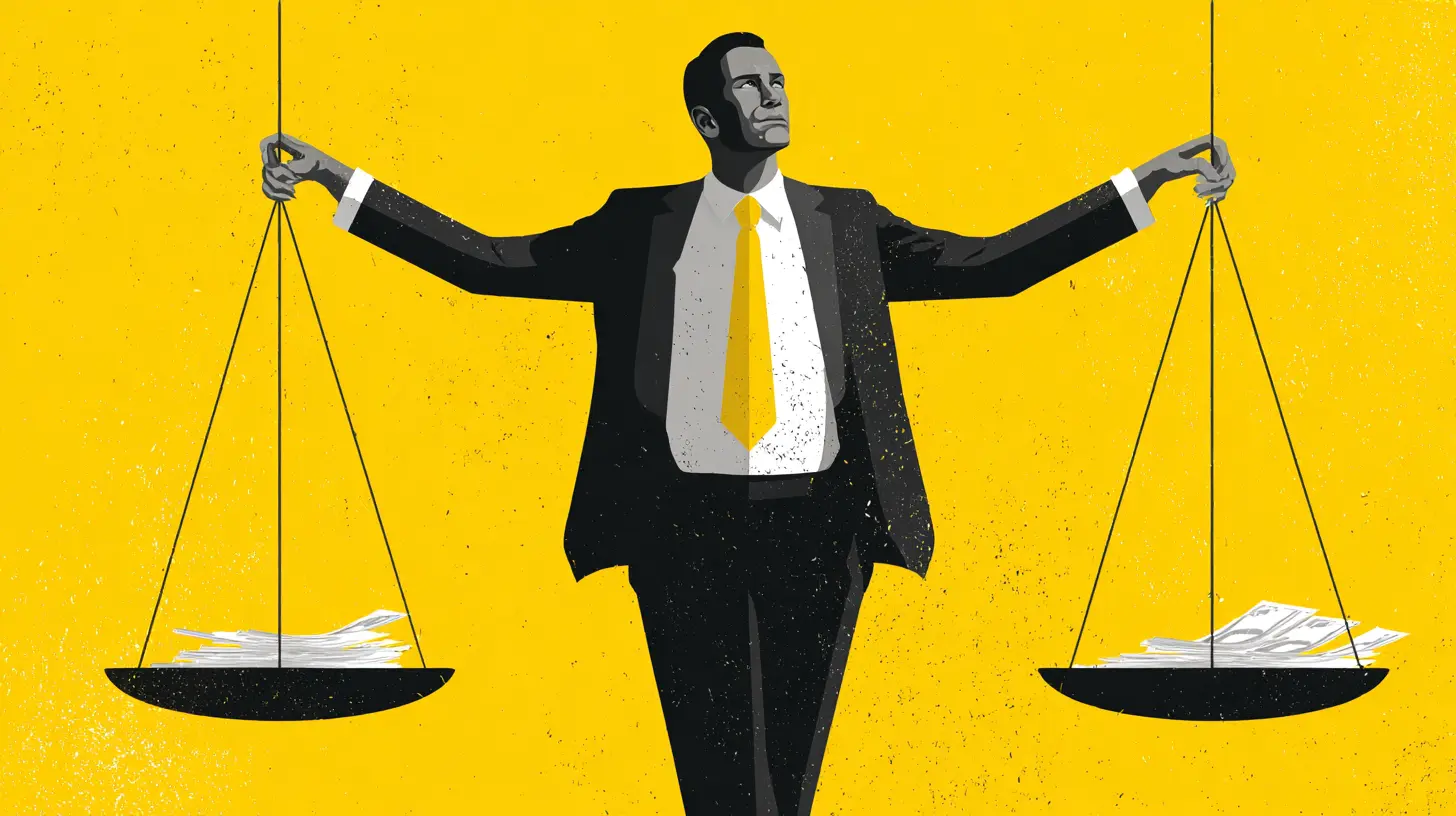
Real-World Examples: When Ethics Made or Broke Investor Trust
Let’s step out of theory land and look at what happens in real life.The Rise of Patagonia
Patagonia isn’t just known for its outdoor gear—it’s known for having a rock-solid ethical compass. From sustainable sourcing to employee well-being, they’re transparent and consistent.As a result, they’ve cultivated a loyal brand following, and investors have taken notice. They’re what you'd call a "mission-driven" organization that delivers long-term value—without compromising ethics.
The Fall of Theranos
On the flip side, Theranos seemed like a revolutionary health tech company—until it wasn’t.The company’s founder, Elizabeth Holmes, fooled investors with fake test results and exaggerated claims. Investors lost billions, and the fallout tarnished reputations across the board.
The moral? Ethics matter.
The Ripple Effect: Ethics Influence Everything
Ever drop a pebble in a pond and watch the ripples spread out? That’s what ethical behavior does.Let’s break it down further.
1. Impact on Employee Morale
When companies treat employees ethically—with fair wages, safe work environments, and respect—it creates a culture of loyalty and productivity.Guess who notices that? Investors.
Happy employees equal better performance. Better performance equals more stable returns. It's all connected.
2. Impact on Customer Trust
Customers today are savvier than ever. They’ll research a company’s values and business practices before buying.When customers trust a brand, they stick around. And loyal customers mean steady revenue streams—another brownie point in the eyes of investors.
3. Impact on Supply Chain Relationships
Ethical behavior doesn’t stop at your front door. Investors look at your whole ecosystem—including your suppliers and partners.Businesses that demand ethical behavior across their supply chain reduce exposure to controversies and scandals. And again, less risk equals higher investor confidence.
Ethics Can Save a Business in Crisis
Let’s not sugarcoat it—crises happen. Whether it’s a PR mess, a financial hiccup, or an operational disaster, how a company responds matters… a lot.When a business has a track record of ethical behavior, it earns what we call a “reputation cushion.” That’s investor-speak for: “We trust you’ll handle this right.”
Companies that respond to crises with honesty, empathy, and action? They bounce back faster and stronger. Investors don’t expect you to be perfect—but they do expect you to be ethical.
The Role of Corporate Governance in Ethical Behavior
Good ethics don’t just happen—they’re built into the DNA of a company via strong corporate governance.Why Governance Matters
Effective boards, ethical leadership, and clear policies ensure that decisions align with long-term goals and stakeholder interests. When governance is weak, loopholes get exploited, and investor trust evaporates.Strong governance is like a well-tuned engine—it may not be flashy, but it powers the entire operation smoothly.
Ethics Are No Longer Optional—They’re Expected
Let’s be real—it’s 2024. Investors are more educated, more connected, and more socially conscious than ever before.They’re not just looking at balance sheets. They’re checking your social media, reading your employee reviews, and diving deep into your environmental impact.
So if your company isn’t placing ethics front and center, you’re not just behind—you’re invisible to value-driven investors.
A Final Word: Ethics Pay Off
We’ve covered a lot, so let’s bring it all home.Ethical behavior isn’t some lofty ideal—it’s a practical, strategic advantage. It builds trust, reduces risk, and enhances reputation. Most importantly, it attracts and retains investor confidence.
And when investors are confident, guess what? They invest more. They stick around longer. They become your biggest advocates.
So whether you're a startup founder or the CEO of a Fortune 500 firm—remember, ethics aren’t just good PR. They’re good business.
all images in this post were generated using AI tools
Category:
Business EthicsAuthor:

Susanna Erickson
Discussion
rate this article
2 comments
Blake Hodge
Great insights! Ethical behavior truly fosters investor trust.
April 6, 2026 at 12:59 PM
Susanna Erickson
Thank you! I'm glad you found the insights valuable. Ethical behavior is indeed key to building and maintaining investor trust.
Damien Willis
Integrity builds lasting trust.
March 23, 2026 at 4:14 AM
Susanna Erickson
Absolutely! Integrity is the foundation of trust, and without it, investor confidence falters. Thank you for highlighting this key point!