Understanding the Project Lifecycle Phases and Their Importance
2 March 2026
Let’s face it—projects are everywhere. Whether you’re launching a new website, creating a marketing campaign, or rolling out a new software tool, projects form the building blocks of productivity and innovation. But here’s the catch: not all projects succeed. In fact, many crash and burn before they even get off the ground. Why? More often than not, it comes down to not understanding or respecting the project lifecycle.
You wouldn't build a house without a blueprint, right? The same logic applies to projects. If you don’t follow a structured process, you're pretty much setting yourself up for chaos. That’s where the project lifecycle comes in.
In this post, we’ll break down the project lifecycle phases, why they matter, and how you can leverage them to increase your chances of success. Buckle up because by the end of this, you’ll have the inside scoop on how projects actually work and why these phases are your secret weapon.
What Is the Project Lifecycle Anyway?
Before we go full steam ahead, let’s clear up what the project lifecycle actually is.Think of it as your project’s roadmap. It’s a series of phases every project goes through from start to finish. These stages help ensure a project doesn’t go off the rails and that everyone knows what's happening, when, and why.
The traditional project lifecycle includes five main phases:
1. Initiation
2. Planning
3. Execution
4. Monitoring & Controlling
5. Closing
Each phase builds on the previous one, and skipping any step is like trying to bake a cake without flour or heat—it just doesn’t work.
Phase 1: Initiation – The “Should We Even Do This?” Stage
Ever had a lightbulb moment and thought, “This is a brilliant idea!” But later realized it wasn’t practical at all? That’s why the initiation phase exists.This is where you ask essential questions like:
- What's the purpose of this project?
- Does it align with our business goals?
- Is it worth the investment?
- Who’s going to be involved?
At this stage, you’re identifying the problem, the potential solution, and whether it’s even worth tackling. One key output here is the project charter—a high-level document that outlines the project's objectives, scope, risks, and stakeholders.
Why It Matters
Skipping initiation is like jumping into a pool without checking if there’s water. You need clarity, support from stakeholders, and an understanding of your goals before you start swimming.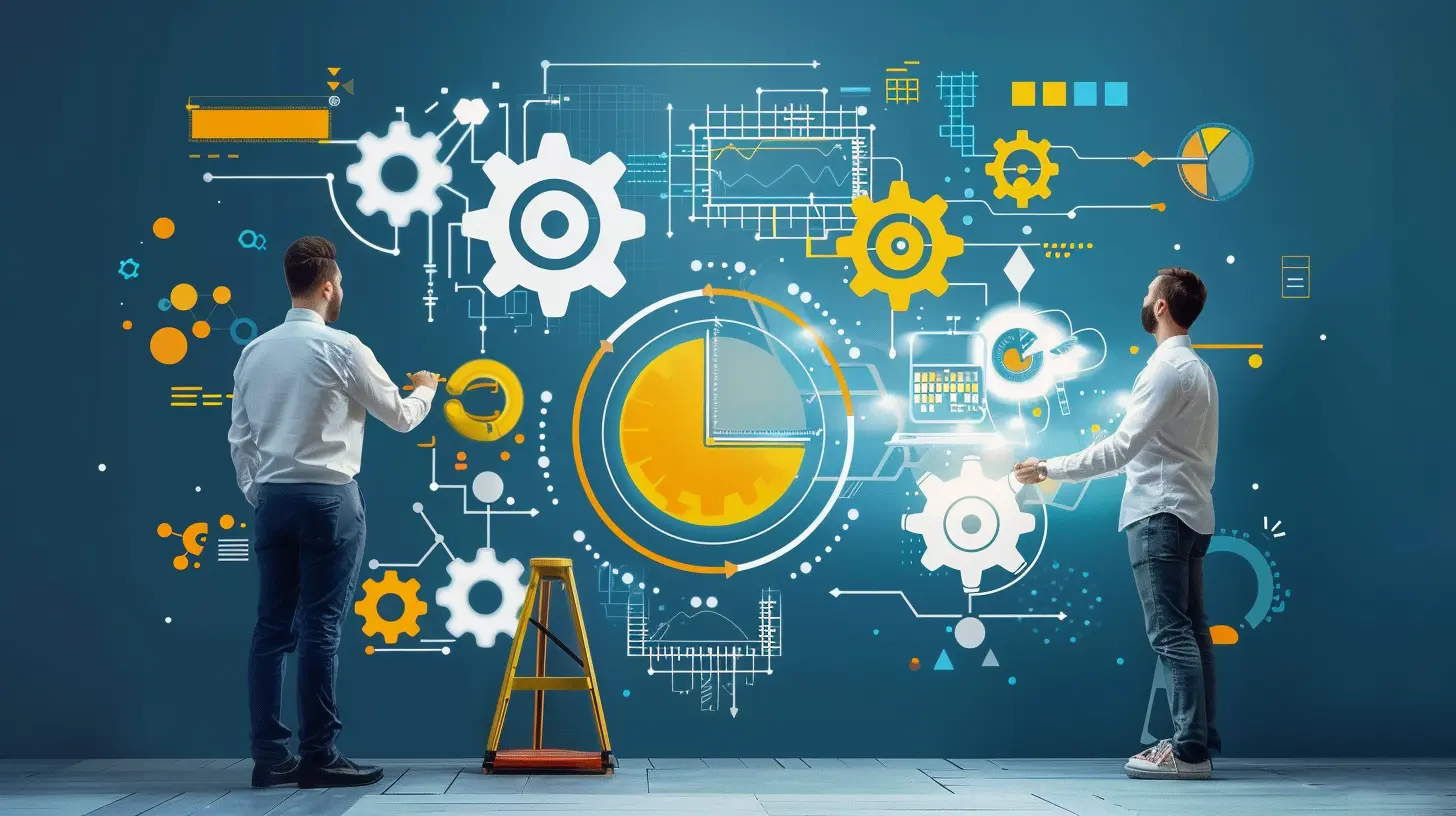
Phase 2: Planning – The “Let’s Map It Out” Stage
This is where the magic happens. (Or at least, where it’s supposed to.)The planning phase is all about turning big ideas into actionable steps. You’re essentially laying out the game plan.
During this phase, you’ll:
- Define the project scope in detail
- Identify tasks and set timelines
- Allocate resources and assign roles
- Set your budget
- Identify risks and create mitigation strategies
- Establish communication plans
One popular tool used in this stage is the Work Breakdown Structure (WBS). Think of it as your project's family tree, breaking everything down into bite-sized pieces.
Why It Matters
Would you set out on a road trip without GPS, snacks, or a playlist? Planning ensures you’re prepared. It keeps your project organized, helps anticipate roadblocks, and sets expectations for everyone involved.
Phase 3: Execution – The “Get Stuff Done” Stage
Alright, here’s where the rubber meets the road.Execution is all about putting the plan into action. Tasks are assigned, teams are working, and deliverables are created. It’s usually the most resource-intensive phase, and it’s where project managers need to keep everything and everyone moving.
During this phase, you’ll:
- Coordinate tasks and teams
- Communicate constantly with stakeholders
- Manage quality control
- Keep an eye on time and budget
You’ll also start using project management tools to track progress—things like Trello, Asana, or Microsoft Project can be lifesavers here.
Why It Matters
Even the best plan in the world is useless if it isn’t executed well. Strong leadership, communication, and problem-solving are key to making sure the project doesn’t go off the rails.Phase 4: Monitoring & Controlling – The “Course Correction” Stage
Now, don’t think of this as a separate phase that comes after execution. It actually runs parallel to it.Monitoring and controlling is all about checking whether everything is going according to plan—and making adjustments when it isn’t.
You're tracking things like:
- Are we on schedule?
- Are we staying within budget?
- Are risks being managed?
- Are stakeholders happy?
You’ll use tools like key performance indicators (KPIs), status reports, and dashboards to keep tabs on everything.
Why It Matters
Think of this phase like your project’s GPS. If you take a wrong turn, it helps you reroute. Without it, you might not realize you’re heading in the wrong direction until it’s too late.Phase 5: Closing – The “Wrap It Up” Stage
Finally. The end is in sight. But you’re not done yet.The closing phase is all about tidying up. You’re delivering the final outputs, tying up loose ends, and making sure everything’s documented.
Here’s what this usually includes:
- Delivering the final product or service
- Obtaining stakeholder approval
- Releasing project resources
- Closing contracts
- Conducting a post-mortem or lessons learned meeting
- Filing documentation
Why It Matters
Imagine watching a great movie that just... ends. No resolution, no credits, nothing. It would feel incomplete, right? The closing phase gives your project a sense of completion and provides valuable insights for the next one.Why Understanding the Project Lifecycle Really Matters
Alright, so now you know what each phase is. But let’s talk about why it’s such a big deal to understand and follow this structure.1. Increases Success Rates
Projects that follow a defined lifecycle are far more likely to meet their goals. Why? Because everyone knows what to expect and when. Simple as that.2. Improves Team Communication
Each phase acts as a checkpoint. It gives teams a chance to regroup, communicate, and realign if needed. Without these pauses, misunderstandings pile up fast.3. Enhances Risk Management
When you plan and monitor effectively, risks don’t sneak up on you. You’ll already have backup plans in place.4. Better Resource Management
Knowing when and where resources are needed avoids overloading your team or running out of budget halfway through.5. Increases Stakeholder Satisfaction
Stakeholders love predictability. When you manage expectations and deliver as promised, your credibility skyrockets.The Lifecycle Isn’t One-Size-Fits-All
It’s worth noting that while the five-phase lifecycle is widely accepted, it's not always rigid. Agile projects, for example, follow a more flexible, iterative path. But here's the twist—even in Agile, you’re still going through similar phases; they’re just compressed, repeated, or renamed.So whether you’re a stickler for waterfall methods or a fan of Agile scrums, the lifecycle concept still applies.
Tips to Master the Project Lifecycle
Want to really nail each phase? Here are a few actionable tips:- Involve stakeholders early: Don’t wait until the end to show results. Keep them in the loop from day one.
- Use the right tools: Project management apps can be game-changers.
- Don’t skip planning: Seriously, we can’t stress this enough.
- Keep documentation updated: You’ll thank yourself later.
- Review and reflect: Always hold a “lessons learned” session at the end of a project.
Final Thoughts
The project lifecycle isn’t just some textbook concept—it’s the foundation for project success. Understanding each phase helps you work smarter, not harder. Whether you’re leading a multi-million-dollar initiative or organizing a community fundraiser, respecting the lifecycle can be the difference between chaos and success.So, next time you kick off a project, take a deep breath, map out the phases, and follow the journey step-by-step. Trust me, your team—and your sanity—will thank you.
all images in this post were generated using AI tools
Category:
Project ManagementAuthor:

Susanna Erickson
Discussion
rate this article
2 comments
Madison Martinez
Understanding project lifecycle phases is like mastering a dance—step on the wrong beat, and you'll find yourself cha-cha-ing in circles! Let’s avoid the tango of confusion!
March 23, 2026 at 12:54 PM
Susanna Erickson
Absolutely! Just like in dance, each project phase requires precise timing and coordination to ensure a smooth progression and successful outcome. Let's keep in sync!
Ardyn McNeal
Mastering the project lifecycle is essential for success! Each phase is a stepping stone that transforms ideas into reality. Embrace this structure to enhance collaboration, mitigate risks, and drive impactful results. Let’s elevate our project management game!
March 6, 2026 at 3:32 AM
Susanna Erickson
Thank you for your insightful comment! Embracing the project lifecycle phases truly enhances collaboration and drives successful outcomes. Let's continue to elevate our project management practices together!