The Sustainability Factor: Green Business Models That Thrive
1 March 2026
Think going green is just a trend? Think again. Sustainability isn't just a buzzword anymore—it's a business model that's here to stay. From garage startups to Fortune 500 giants, companies around the world are finding that being eco-friendly isn’t just good for the planet—it’s great for business too.
But here's the million-dollar question: How do you actually build a green business model that doesn't just survive…but thrives?
Well, buckle up. You're about to dive deep into the world of sustainable success and learn what it really means to make money while making a difference.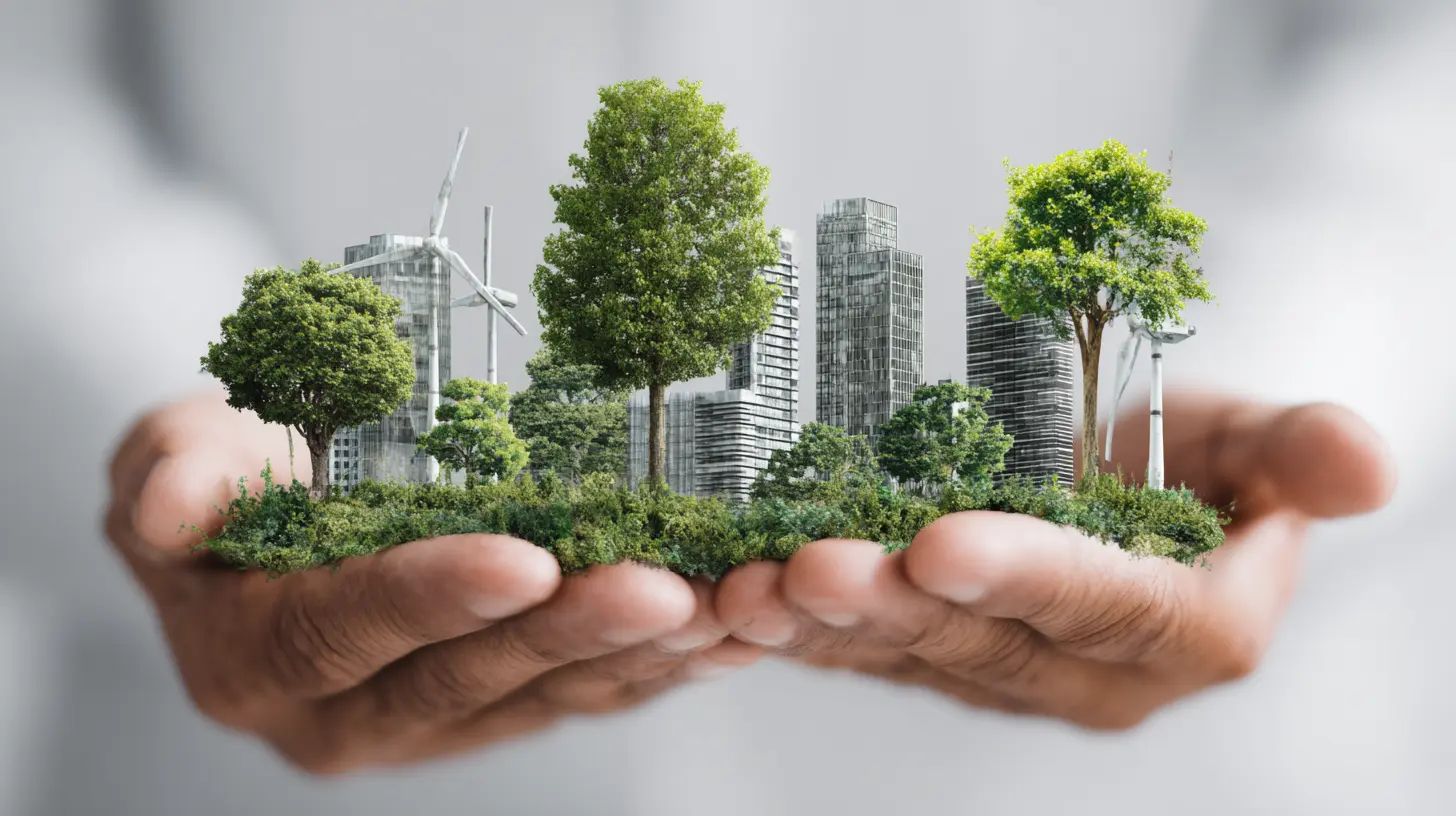
Why Sustainability Can No Longer Be an Afterthought
Let’s face it—we’re not exactly treating the planet like our favorite Airbnb rental.Between carbon emissions, plastic pollution, and resource depletion, it’s clear that the traditional “take-make-waste” model just isn’t cutting it anymore. And whether you’re a solo entrepreneur or the CEO of a massive corporation, the pressure is on to think sustainably.
But here's the good news: Sustainability is no longer a cost center. When done right, it’s a profit center. It’s about smarter processes, stronger brand loyalty, lower long-term costs, and attracting a new generation of eco-conscious consumers who want more than just a great product—they want purpose.
What Exactly Is a Green Business Model?
A green business model isn’t just about recycling office paper or swapping plastic straws for paper ones (although hey, that helps). It’s a core strategy that integrates environmental thinking into every part of the business.We're talking about:
- Reducing waste at the source
- Using renewable energy and sustainable materials
- Designing circular systems to keep products and materials in use
- Prioritizing ethical sourcing and fair labor
Bottom line? A green business model looks at the big picture—profit, planet, and people—and finds that sweet spot where all three thrive.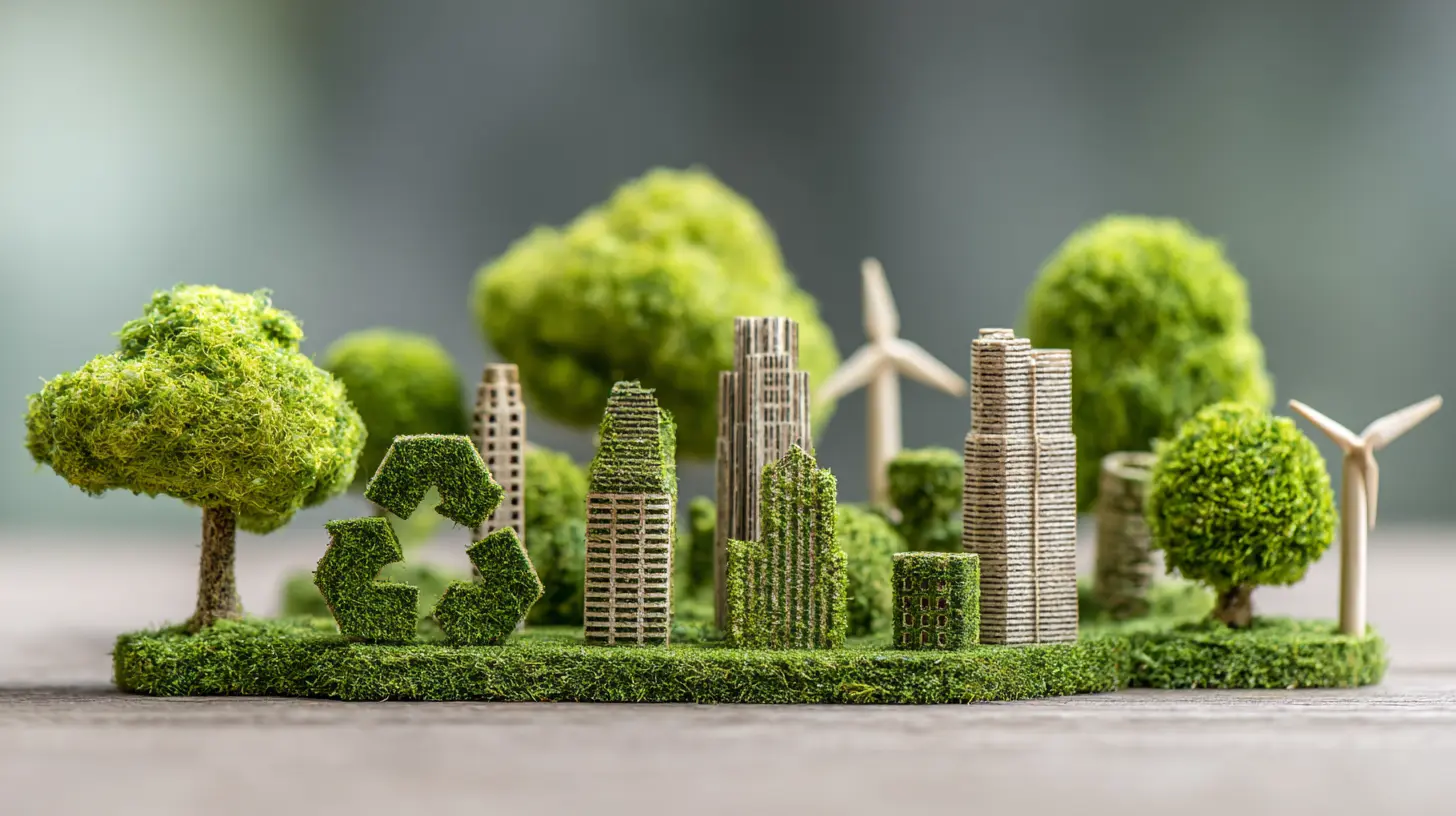
The Big Benefits of Building Green
Alright, let’s break it down—why should you even care about green business models?1. Reduce Costs and Boost Efficiency
It sounds counterintuitive, but going green can actually save you money. When you streamline your operations, reduce waste, and use energy-efficient tools, your overhead drops.Think about it: Why pay huge electricity bills when solar panels can cut costs long-term?
2. Build Customer Loyalty
Today’s consumers are smart. They read labels, check certifications, and put their dollars where their values are. If your brand wears its eco-heart on its sleeve, you’re more likely to build trust and long-term loyalty.3. Attract Top Talent
Millennials and Gen Z? They're not just looking for a paycheck—they want purpose. If your company walks the green talk, you'll attract employees who are passionate, engaged, and committed to your mission.4. Gain Competitive Advantage
Sustainability can be your secret weapon. When competitors are still stuck in outdated operations, your eco-innovation makes you stand out. Suddenly, you’re not just another brand—you’re the brand.
Types of Successful Green Business Models (You Might Want to Steal)
Let’s get to the juicy part: What do thriving green business models actually look like? Here's a peek at a few you might want to borrow, tweak, or get inspired by.1. The Circular Economy Model
This one's gaining massive traction—and for good reason. Circular businesses don’t just sell a product and wash their hands. They design products with the end in mind, encouraging reuse, repair, recycling, or even upcycling.👉 Example: Think Patagonia. Their Worn Wear program lets customers trade in old gear for credit, which the company refurbishes and resells.
Why it works: It keeps materials in the loop and deepens customer relationships.
2. The Sharing Economy Model
Why own when you can share? This model focuses on maximizing the use of resources by promoting sharing instead of ownership.👉 Example: Zipcar, bike-sharing programs, and co-working spaces all fit the bill.
Why it works: Lower cost for users, fewer resources consumed, and more flexibility.
3. The Product-as-a-Service Model
Instead of selling a product, how about renting out the use of it? Companies retain ownership and are responsible for maintenance and eventual recycling.👉 Example: Philips offers "lighting as a service"—they install and maintain lighting systems, and clients just pay for the light.
Why it works: Encourages durability, quality, and full-life-cycle responsibility.
4. Local & Ethical Sourcing Model
This model grounds supply chains in ethical labor and sustainable materials. It values transparency and supports local economies.👉 Example: Everlane is famous for “radical transparency”—showing exactly where their clothes are made and what they cost to produce.
Why it works: Builds customer trust and cuts down on carbon-heavy global shipping.
Real-World Businesses Killing It with Sustainability
Let’s take a look at a few rockstars that prove green business models aren’t just possible—they’re wildly profitable.1. Tesla
Love ’em or hate ’em, Tesla flipped the auto industry on its head. Their mission? Accelerate the world’s transition to clean energy. And their electric cars, battery tech, and solar products are doing just that.2. IKEA
Yup, the Swedish furniture giant has committed to becoming “climate positive” by 2030. From using sustainable wood to furniture recycling programs, they’re embedding green into their DNA.3. Allbirds
They make comfy shoes from materials like merino wool and sugarcane, and they’re laser-focused on reducing their carbon footprint. Customers love them for it—and the company’s valuation proves it.How To Turn Your Business Green (Without Losing Your Mind)
Not every business is built from the ground up to be eco-friendly—but that doesn’t mean you can’t evolve. Here’s how to start making the shift without flipping your entire business model overnight.Step 1: Do a Sustainability Audit
Figure out where your impact lives. Are you using too much energy? Is your packaging wasteful? Are your materials ethical? Get real with the data before jumping into solutions.Step 2: Start Small, Scale Fast
Don’t try to change everything at once—it’ll just overwhelm you. Pick one area (maybe packaging or sourcing) and tackle that. Once you’ve nailed it, move on to the next.Step 3: Involve Your Team
Green initiatives work best when your whole crew’s on board. Invite ideas, offer training, and make sustainability part of your company culture—not just a side project.Step 4: Communicate Transparently
Be honest with your customers. They don’t expect perfection—but they do want progress. Share your wins and your work-in-progress. Authenticity builds trust.Step 5: Measure and Iterate
Track your improvements—your energy use, your waste reduction, your supplier ethics. Data is your best friend when it comes to making meaningful, lasting changes.The Mindset Shift: From Cost to Investment
Here’s something business owners often get wrong: They see sustainability as a cost to bear, not an investment to grow.But the truth is, green moves often pay off long-term. Whether it's through energy savings, customer loyalty, or reducing your risk of regulatory fines, sustainability is a forward-looking strategy.
Think of it like planting a tree. It takes time and care up front, but eventually, it provides shade, fruit, and cleaner air.
Final Thoughts: Green Is the New Gold
We’re at a turning point. Every business has a choice: Stick with outdated, wasteful models—or adapt, evolve, and lead the way toward a more sustainable future.And you don’t have to be a “green” brand to be a green business. Whether you sell apps or apples, there’s always room to integrate sustainability into your mission.
So go ahead—innovate smart, build with heart, and grow with the planet, not against it.
Because the businesses that thrive in the future? They’re the ones who start building it today.
all images in this post were generated using AI tools
Category:
Business ModelsAuthor:

Susanna Erickson
Discussion
rate this article
2 comments
Edward Pope
Absolutely loved this article! It's inspiring to see how innovative green business models not only benefit the planet but also thrive in today's market. Sustainability is the future, and we all have a role to play!
March 24, 2026 at 11:52 AM
Susanna Erickson
Thank you for your kind words! I'm glad you found the article inspiring. Together, we can drive the shift towards sustainable business practices!
Lillian Wilkins
Sustainable business models redefine success, challenging the notion that profit and planet are in opposition. Embracing eco-conscious strategies fosters resilience, innovation, and a deeper connection to the communities we serve.
March 3, 2026 at 3:42 AM
Susanna Erickson
I completely agree. Sustainable models show that profit and environmental responsibility can go hand in hand, driving innovation and strengthening community ties. It's a win-win for businesses and the planet.