The Role of Storytelling in Driving Inclusion in the Workplace
26 February 2026
In today’s diverse and ever-evolving workplace, inclusion isn’t just a buzzword—it’s a business imperative. Companies are starting to understand that creating a culture where everyone feels valued and heard leads to better employee engagement, innovation, and even profitability. But how do you foster inclusivity in a way that resonates with everyone? One surprisingly powerful tool: storytelling.
Yep, telling stories. It sounds simple, but it’s incredibly effective. Storytelling taps into our shared humanity, helping us connect, empathize, and understand perspectives that are different from our own. It’s not a magic bullet, but it’s a tool that can break down barriers and open doors to meaningful conversations about inclusion.
Let’s dig deeper into the role of storytelling in driving inclusion in the workplace and uncover why it should be an essential part of your company culture strategy. 
Why Inclusion Matters in the Workplace
Before diving into storytelling, let’s get on the same page about inclusion. Why is it such a big deal?Inclusion means creating an environment where everyone—regardless of their background, race, gender, age, abilities, or any other characteristic—feels respected, valued, and empowered to contribute.
Think about it: when you feel like you belong, you thrive. You’re more likely to share ideas, take risks, and collaborate. On the flip side, if you feel excluded or overlooked, it’s hard to bring your best self to work.
Studies back this up. Research from Deloitte found that inclusive workplaces are twice as likely to meet or exceed financial targets, six times more likely to be innovative, and eight times more likely to achieve better business outcomes. Pretty compelling, right?
The challenge, however, is that fostering inclusion isn’t always easy. This is where storytelling steps in as a powerful ally. 
What is Storytelling, Really?
Storytelling is more than just recounting what happened on your last vacation (though that’s fun too). It’s the art of using narratives to convey messages, share emotions, and build connections.Humans are wired for stories. Since the dawn of time, we’ve used stories to make sense of the world around us. They help us process information, remember key points, and, most importantly, connect with others.
In a workplace setting, storytelling isn’t just about entertainment. It’s about sharing experiences, explaining complex ideas, and even challenging biases. When done right, it can build bridges between people, fostering a more inclusive and understanding atmosphere. 
How Storytelling Drives Inclusion
Let’s cut to the chase. How exactly does storytelling help promote inclusion in the workplace?1. Creating Empathy Through Shared Experiences
Ever listened to someone’s story and thought, “Wow, I’ve never been in their shoes, but I can understand how they feel”? That’s empathy in action.When someone shares their personal experiences, it puts a face to abstract concepts like discrimination, privilege, or unconscious bias. It’s one thing to read statistics about workplace inequality; it’s another to hear a colleague talk about the microaggressions they face daily.
Storytelling taps into our ability to empathize, which is crucial for building an inclusive culture. When employees understand each other on a deeper level, they’re more likely to be supportive and considerate.
2. Challenging Stereotypes and Biases
Did you know that storytelling can act like a mirror, helping us reflect on our own assumptions and biases?For instance, imagine a colleague shares a story about their struggles climbing the corporate ladder as a single parent. That narrative might challenge the stereotype that single parents “can’t handle demanding jobs.”
Hearing real-life stories helps expose biases that we might not even realize we have. It encourages employees to challenge their preconceived notions and embrace a more inclusive mindset.
3. Fostering Connection Across Differences
One of the biggest hurdles to inclusion is the “us vs. them” mindset. People naturally gravitate toward others who are similar to them, which can create cliques and divisions in the workplace.Storytelling can break down these walls. When people share their stories, it highlights the commonalities we all share. Maybe a colleague from a different cultural background talks about struggles that remind you of your own. Those “aha” moments create bonds that transcend differences.
Storytelling also normalizes diverse experiences, making it easier for everyone to feel like they belong.
4. Amplifying Marginalized Voices
Let’s face it: not everyone has an equal platform in the workplace. Some voices—especially those from marginalized groups—are often drowned out or ignored.Storytelling can change that. It’s a way to intentionally create space for underrepresented employees to share their journeys, perspectives, and wisdom.
For example, during team meetings or company-wide events, leaders can provide opportunities for individuals to tell their stories. These narratives not only elevate marginalized voices but also educate the broader workforce on challenges they might not have been aware of.
5. Driving Meaningful Conversations
Ever noticed how stories have the power to spark conversations that matter?Storytelling is a great icebreaker for tackling tough topics like racism, sexism, or ableism. A well-told story creates a safe space for dialogue, allowing employees to discuss sensitive issues without fear of judgment.
These conversations are crucial for fostering awareness and promoting cultural change within an organization. 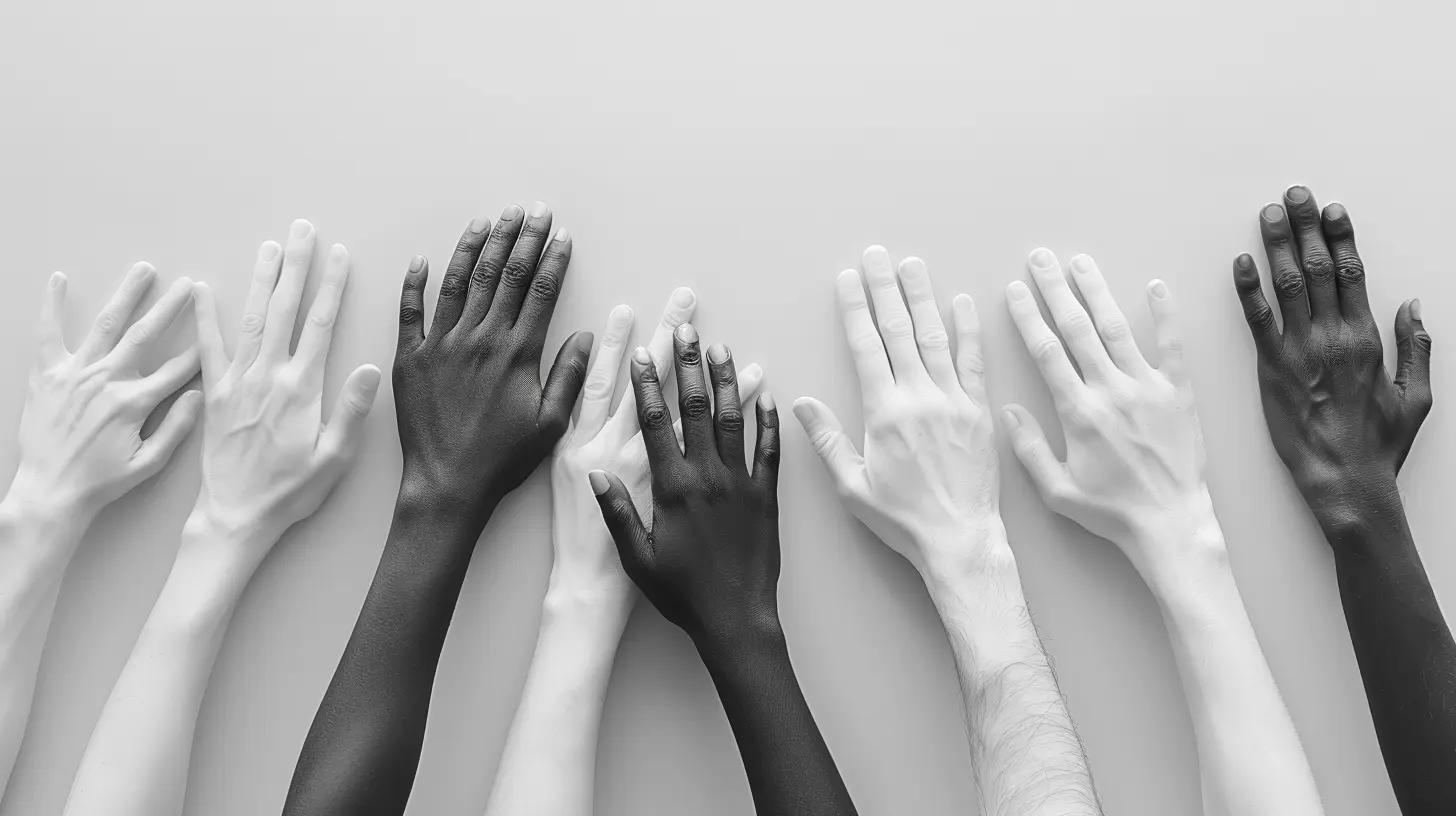
Practical Ways to Use Storytelling for Inclusion in the Workplace
Alright, so we’ve established that storytelling is a big deal for inclusion. But how do you actually use it in practice? Here are some actionable ideas:1. Host Storytelling Workshops
Organize workshops where employees can learn how to craft and share their stories effectively. This could include lessons on structuring a narrative, using emotion, and speaking authentically.2. Storytelling-Based Training
Incorporate real-life stories into DEI (diversity, equity, and inclusion) training sessions. Hearing firsthand accounts can drive home the importance of inclusion in ways that data alone can’t.3. Encourage Employee Spotlights
Spotlight employees’ stories in company newsletters, intranet platforms, or social media. Highlight their achievements, struggles, and unique perspectives.4. Use Stories in Recruitment and Onboarding
Share stories that reflect your company’s inclusive culture during recruitment and onboarding processes. It shows prospective and new employees that diversity and inclusion are baked into the organization’s DNA.5. Leverage Leadership
Encourage leaders to share their own personal stories about challenges, growth, or lessons learned. Vulnerable storytelling from the top sets the tone for openness throughout the organization.6. Celebrate Cultural Storytelling
Host events where employees can share stories from their cultural or personal backgrounds. These events can be a great way to celebrate diversity while educating others.Overcoming Challenges in Using Storytelling
Of course, it’s not all smooth sailing. Using storytelling for inclusion has its challenges.- Fear of Vulnerability: Employees may be hesitant to share personal stories, worried about being judged or misunderstood.
- Tokenism Risk: It’s important to ensure storytelling efforts don’t feel forced or like a checkbox exercise. Stories should be authentic and voluntary.
- Facilitating Difficult Conversations: Shared stories can sometimes bring up sensitive topics that need careful navigation. Facilitators should be trained to handle these moments with care.
By addressing these challenges proactively, storytelling efforts can remain effective and meaningful.
Wrapping Up
At its core, storytelling is about connection. It’s about looking past titles, roles, and stereotypes to understand the person behind them. When employees connect on a human level, inclusion follows naturally.Incorporating storytelling into your workplace inclusion strategy isn’t just a feel-good initiative; it’s a step toward building a culture where everyone can thrive. So, why not start small? Encourage your team to share their stories and watch how it transforms the way they see each other—and themselves.
all images in this post were generated using AI tools
Category:
Diversity And InclusionAuthor:

Susanna Erickson
Discussion
rate this article
2 comments
Lira Stewart
This article beautifully highlights storytelling's power in fostering inclusion. Sharing diverse narratives not only enriches workplace culture but also creates a sense of belonging for everyone. Thank you for this insightful perspective!
March 21, 2026 at 12:12 PM
Susanna Erickson
Thank you for your thoughtful comment! I'm glad you found the article insightful and recognize the importance of diverse narratives in fostering inclusion.
Oberon Stone
Storytelling fosters connection and diversity effectively.
March 12, 2026 at 12:58 PM
Susanna Erickson
Absolutely, storytelling creates shared experiences that bridge gaps and celebrate diverse perspectives. It's a powerful tool for fostering an inclusive workplace.