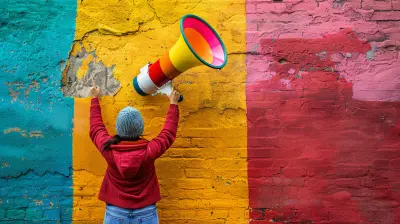
The Rise of Sustainability in Marketing: What It Means for 2027
5 May 2026
So, here we are. It's almost 2027, and your brand still hasn't figured out how to sell a tote bag without accidentally starting a forest fire of public outrage. Welcome to the club. Sustainability in marketing isn't just a trend anymore-it's the equivalent of that one friend who shows up to every party, eats all your snacks, and then asks if you've recycled your leftover guacamole. You can't ignore it, and you definitely can't fake it.
Let's be real for a second. For the past decade, companies have been slapping green leaves on their logos like they're seasoning a bland chicken breast. "Eco-friendly," "carbon neutral," "100% recycled vibes." It was cute, but now the jig is up. By 2027, the consumer has evolved. They've done the research. They know that "biodegradable" doesn't mean "magically disappears in your backyard." And they're coming for your greenwashing soul.

The Death of the "Green Sticker" Era
Remember when you could just change your packaging from plastic to brown cardboard, add a tree emoji, and call it a day? Those were the good old days. Now, if you try that, you'll get roasted on TikTok faster than you can say "supply chain transparency."In 2027, sustainability marketing isn't about the sticker. It's about the story. And not the story you made up in a boardroom after three espressos. The real story. Where did your cotton come from? Was your factory powered by the tears of a unicorn or actual solar panels? Did you pay your workers enough to afford the organic kale they're supposed to be eating?
Consumers are basically detectives now. They'll cross-reference your sustainability report with satellite images of your manufacturing plant. They'll ask your chatbot if your shipping is "actually" carbon offset, and if you lie, they'll screenshot it and send it to their 50,000 followers. So, what does this mean for your marketing strategy? It means you need to stop treating sustainability like a garnish and start treating it like the main course.
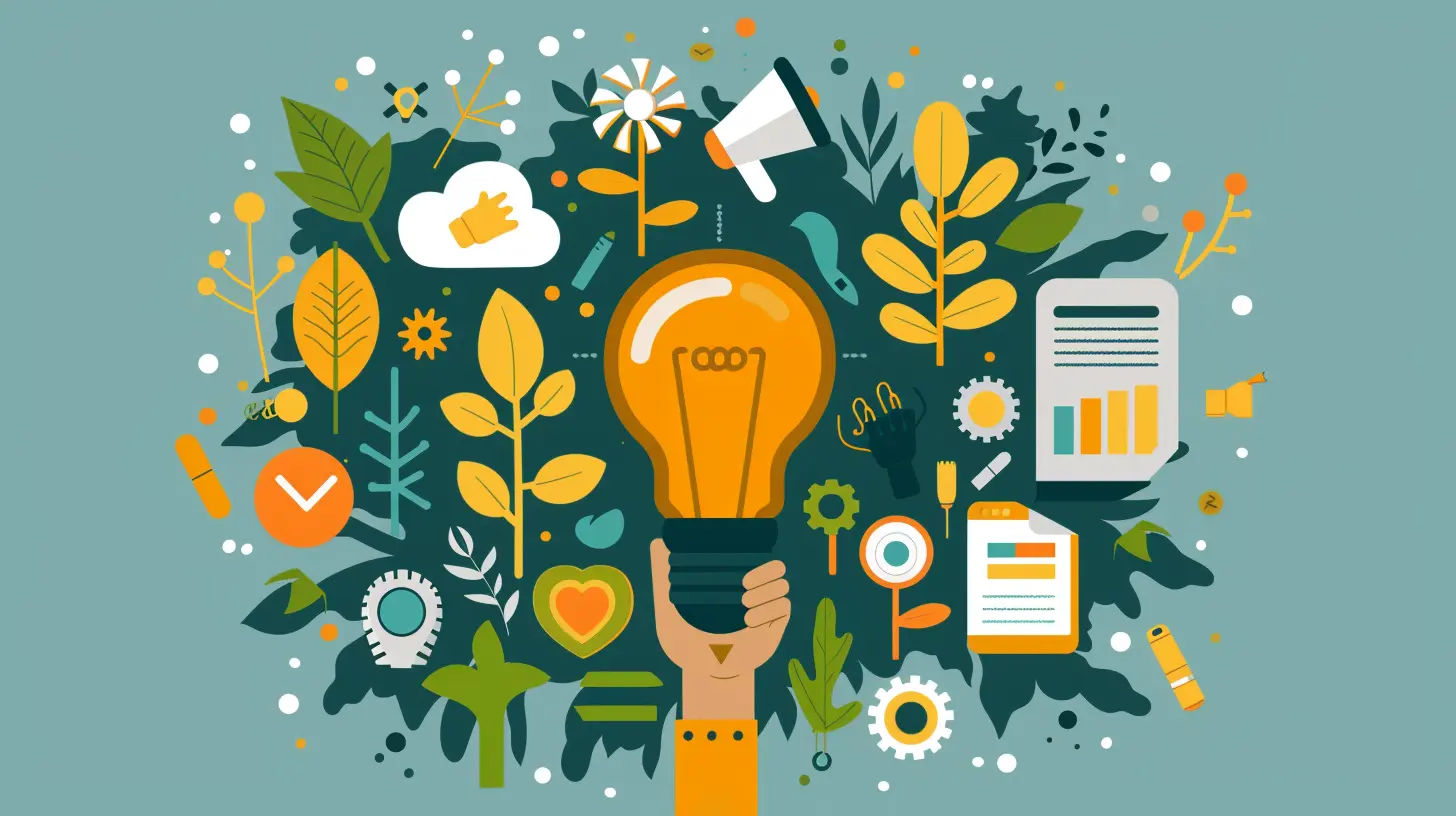
The "Show, Don't Tell" Rule Gets a Glow-Up
You know the rule in writing: show, don't tell. Well, in 2027 marketing, it's "show, don't pretend." If your company is actually doing the work, you don't need to shout about it. You just need to let the data speak. And if you're not doing the work? Well, you better start, because silence is now louder than a screaming ad.Think of it like this: your brand is a person at a party. The old way was to walk in wearing a shirt made of recycled plastic bottles and announce, "I'm saving the planet." The new way is to just walk in, have a normal conversation, and when someone asks where you got your shirt, you say, "Oh, this? It's from a company that actually cleans up the ocean. No big deal." That's the vibe.
By 2027, the most successful marketing campaigns won't even look like marketing. They'll look like progress reports. They'll look like a friend sharing a cool hack. They'll be embedded in the product experience itself. Imagine buying a pair of shoes and getting a QR code that shows you the exact carbon footprint of that specific pair, plus a video of the person who stitched them. That's not a gimmick. That's a receipt for trust.
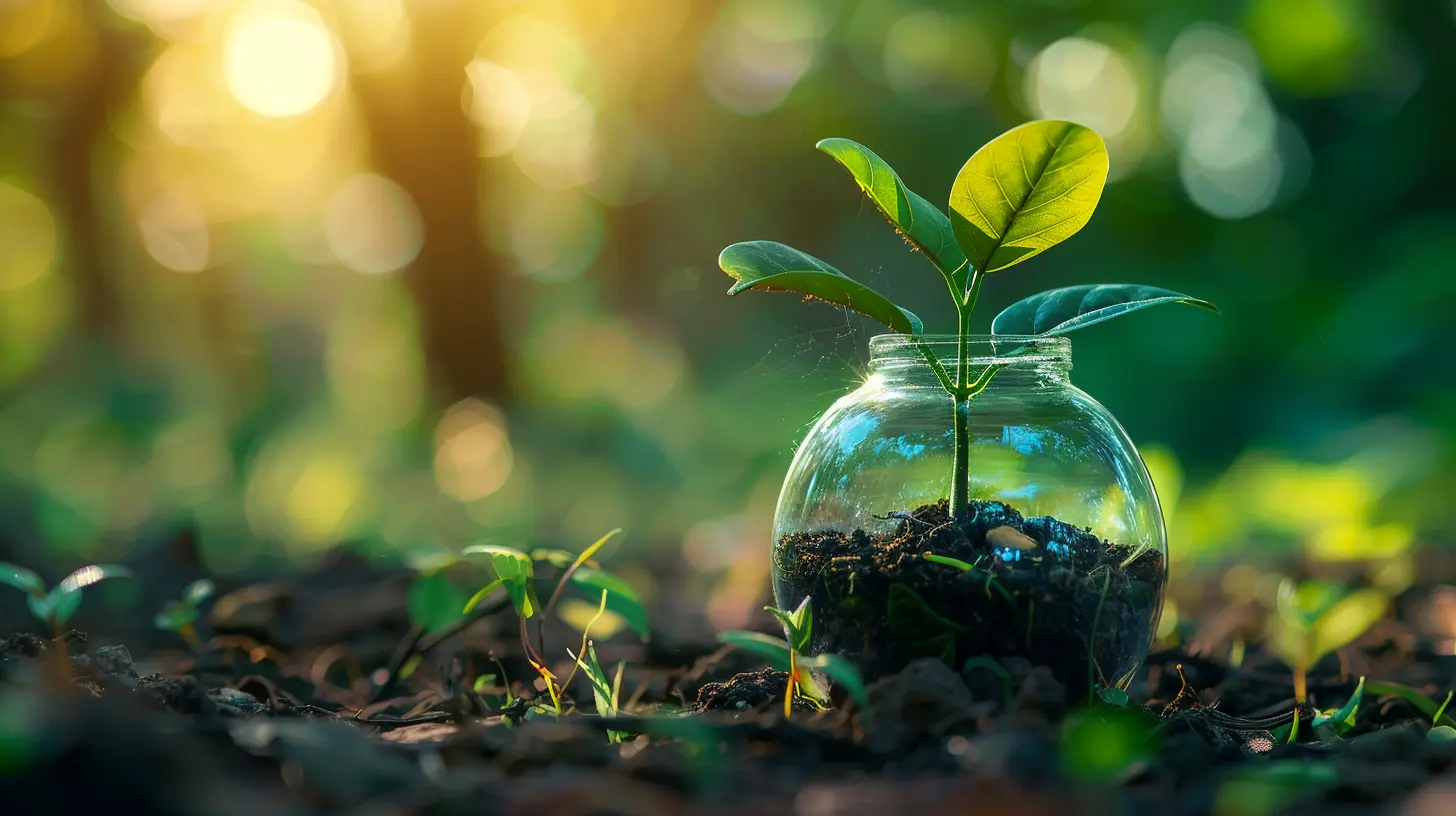
The Rise of the "Regenerative" Buzzword (And Why You Should Care)
We've moved past "sustainable." That word is so 2023. Now, everyone is talking about "regenerative." What does that mean? It means you're not just trying to break even with the planet. You're trying to give it a hug and a refund. You're planting trees, restoring soil, and actually leaving the world better than you found it.For marketers, this is a goldmine of storytelling. But it's also a minefield. You can't just say "we're regenerative" because you bought a few acres of trees in a place you've never visited. You need to show the before and after. You need to talk about the bugs that came back to the soil. You need to make people feel like they're part of a movement, not just a transaction.
Here's the sarcastic truth: most brands will fail at this. They'll try to jump on the regenerative train without buying a ticket. They'll use words like "holistic" and "circular economy" until those words lose all meaning. But the brands that win? They'll be the ones who admit they're not perfect yet. They'll say, "We're trying. Here's our progress. Here are our failures. Want to help?"

The Consumer Is No Longer a Customer. They're a Partner in Crime.
Let's talk about the audience for a second. The 2027 consumer is tired. They're tired of being sold to. They're tired of feeling guilty about their plastic straw usage. They're tired of companies making them feel like the problem.So, the smart marketing move is to stop treating them like a wallet and start treating them like a co-conspirator. You know that feeling when you and a friend decide to clean up a park together? That's the energy you want. You're not selling a product. You're inviting them to join a mission.
For example, instead of saying, "Buy our eco-friendly soap," say, "Hey, you're already washing your hands. Why not do it with soap that doesn't poison the fish? We'll even send you a chart of how many fish you saved this month." It's playful. It's specific. It makes them feel like they're in on the joke.
And here's the kicker: they'll share that chart on Instagram. They'll tag their friends. They'll become your unpaid marketing team because you made them feel smart and good at the same time. That's the holy grail.
The Tech That's Making It All Possible (And Terrifying)
You can't talk about 2027 without talking about the tech. Blockchain is no longer just for crypto bros and their weird monkey pictures. It's for proving your supply chain is clean. Imagine scanning a barcode on a bag of coffee and seeing every single step it took from the farm to your kitchen. That's not sci-fi. That's Tuesday.AI is also getting in on the action. But not in a creepy way. In a helpful way. AI can now analyze your marketing copy and tell you if you're accidentally greenwashing. It can predict which sustainability claims will resonate with your audience. It can even help you optimize your shipping routes to reduce emissions. The machines are here to help, but only if you let them.
But here's the sarcastic twist: all this tech means there's no more hiding. If your company is still using child labor or dumping waste in a river, the blockchain will snitch on you. The AI will write a report. And the internet will have a field day. So, if you're not ready to be fully transparent, maybe stick to selling rocks. At least rocks are carbon neutral.
The "No-BS" Policy for 2027
Let's get down to brass tacks. If you're writing a marketing strategy for 2027, here are the rules you need to follow:1. Stop using the word "sustainable" as a crutch. It's overused. Be specific. Say "we reduced water usage by 30%" instead of "we're water-conscious."
2. Show your receipts. If you claim something, back it up with third-party certifications. Not your own made-up label.
3. Embrace the ugly. Your packaging doesn't need to be perfect. If it's made from recycled materials, let it look like it. The "ugly" aesthetic is actually more trustworthy.
4. Make it easy for the customer. Don't make them jump through hoops to recycle your product. Design for disposal. If they have to drive to a special facility, they're just going to throw it in the trash.
5. Admit when you mess up. Nothing builds loyalty like honesty. If your factory had a leak, tell people. They'll respect you more than if you try to hide it.
The Future Is Boring (And That's Great)
Here's the final, sarcastic truth about sustainability in marketing by 2027: it's going to become boring. Not boring in a bad way, but boring in the way that electricity is boring. You don't get excited when you flip a switch and the lights turn on. You just expect it.That's where we're heading. Sustainability will no longer be a differentiator. It will be the baseline. If your brand isn't sustainable, you're not a rebel. You're just outdated. Like a fax machine. Or a mullet.
So, what does this mean for you? It means you need to stop thinking of sustainability as a marketing tactic and start thinking of it as a business requirement. The marketing will follow naturally. You don't need to shout about how you're saving the world. You just need to quietly, consistently, and boringly do the right thing. And then, when someone asks, you can say, "Yeah, we've been doing this for years. What took you so long?"
That's the power move. That's the 2027 vibe. Now go plant a tree, fix your supply chain, and for the love of all that is holy, stop printing your sustainability report on glossy, unrecyclable paper.
all images in this post were generated using AI tools
Category:
MarketingAuthor:

Susanna Erickson
Discussion
rate this article
2 comments
Joanna McLanahan
This article offers valuable insights into how sustainability will shape marketing strategies by 2027. Emphasizing eco-friendly practices can truly resonate with consumers and enhance brand loyalty. Great read!
July 3, 2026 at 2:17 AM
Susanna Erickson
Thanks for the feedback! I'm glad you found the insights valuable. Sustainability will definitely play a key role in shaping marketing in the coming years.
Beatrix Foster
Adopting sustainable practices can strengthen brand loyalty and attract conscientious consumers by 2027.
May 10, 2026 at 10:25 AM
Susanna Erickson
Absolutely! Sustainable practices resonate with consumers increasingly, and by 2027, brands that prioritize these values will definitely stand out.