The Profit Potential of Going Green by 2027
16 April 2026
Let’s cut through the compost, shall we? For years, “going green” was the corporate equivalent of eating your vegetables. You knew it was probably good for you, but it felt expensive, bland, and frankly, a bit of a chore. It was a side dish to the main course of profit—a nice-to-have for the annual report photo op next to the newly installed recycling bins.
Well, grab a seat at the table, because the menu has changed. Drastically.
By 2027, sustainability isn’t just the side salad; it’s the entire damn restaurant. It’s the kitchen, the supply chain, the marketing, and the fat, juicy profit margin on the plate. Ignoring it isn’t just bad optics anymore; it’s a direct threat to your bottom line. We’re talking about a fundamental, irreversible shift where ecological responsibility and economic prosperity are now conjoined twins. You can’t have one without the other.
So, if you’re still viewing green initiatives as a cost center, you’re reading the ledger backwards. Let’s flip the script and dive into why, by 2027, your profit potential will be directly shaded by how green you’ve become.

The Tidal Wave of Green Demand: Customers Aren’t Asking Anymore, They’re Demanding
Remember when “eco-friendly” was a niche label for hemp-wearing, patchouli-scented aisles? Those days are deader than last season’s fast fashion.Today’s consumer—from Gen Z to savvy Boomers—has a digital magnifying glass. They’re not just buying a product; they’re auditing your entire existence. They’re scrolling past your slick ads to find your sustainability report, your carbon footprint, your supplier ethics. And honey, they have zero patience for greenwashing—that flimsy, see-through attempt to paint yourself green without doing the work.
Why? Because values have become value. Purchasing is now a political, social, and environmental act. A 2023 study by Simon-Kucher & Partners found that 85% of people globally have shifted their purchasing behavior towards sustainability in the past five years. They’re willing to pay more, but they demand authenticity. They’re loyal to brands that align with their worldview, and they’ll abandon ship faster than you can say “plastic straw” if they smell hypocrisy.
This isn’t a trend. It’s the new baseline. By 2027, a lack of a genuine, actionable green strategy will be like having a website that doesn’t work on mobile—a fundamental flaw that disqualifies you from the game.

The Almighty Dollar: Where Green Meets Gold
Alright, let’s talk about the part that really makes the boardroom sit up straight: the money. How does hugging trees translate to hugging stacks of cash? Let me count the ways.1. Efficiency Isn’t Just Sexy, It’s a Money-Printing Machine
Think of energy waste like a leaky faucet in your office. Drip, drip, drip goes your profit straight down the drain. Going green starts with plugging the leaks. LED lighting, smart HVAC systems, high-efficiency machinery—these aren’t just “green” choices; they’re financial no-brainers. The initial investment pays for itself, often in just a few years, and then it’s pure, untaxed savings flowing straight to your bottom line. It’s like giving yourself a permanent raise on your utility bill.2. The Regulatory Shield (And Cash Incentives!)
Governments worldwide are done waiting. Carbon taxes, strict emissions caps, and single-use plastic bans are rolling out like a green carpet of compliance. By getting ahead of these regulations now, you’re not just avoiding future fines (which will be hefty), you’re positioning yourself to capitalize on incentives. Tax breaks, grants, and subsidies for renewable energy adoption, retrofitting, and sustainable R&D are massive. It’s free money on the table for those willing to do the work. Wait until 2027, and you’ll be paying to catch up, while your competitors used that government cash to get ahead.3. Attract & Retain the Best Brains
The war for talent is real. The best and brightest, especially millennials and Gen Z, want to work for companies that give a damn. A strong, authentic environmental mission is a powerful recruitment and retention tool. It boosts morale, productivity, and loyalty. Think of it this way: you can either pay a premium in salaries to attract talent, or you can offer a purpose that makes people want to work for you, often for less. A green mission is that purpose. It reduces turnover costs and builds an innovative, driven culture. Your employees become your brand ambassadors.4. Innovation is the New IP
When you constrain a system—say, by demanding zero waste, or 100% renewable energy—you force genius. This constraint is the mother of lucrative invention. It’s how companies develop new, patentable materials, revolutionary circular-economy business models, and processes that are both cleaner and cheaper. This Green IP becomes a formidable competitive moat. While others scramble to adapt, you’re licensing your technology or operating on a cost structure they can’t match.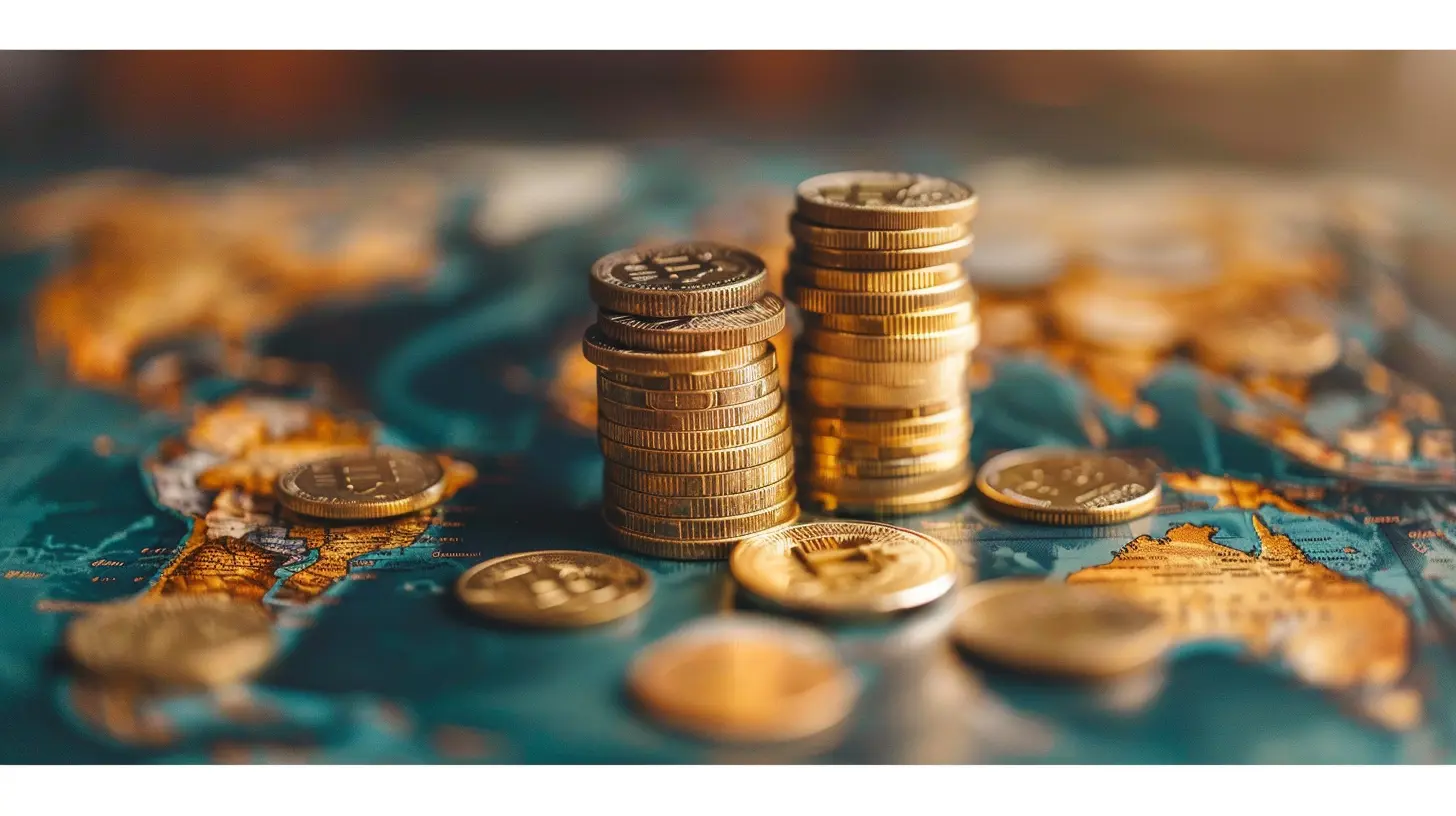
The 2027 Green Business Blueprint: It’s Time to Build
Convinced yet? Good. Let’s move from “why” to “how.” What does a profit-powered green business look like as we cruise toward 2027?A. Circular is the New Linear (Goodbye, Take-Make-Waste)
The old industrial model is a dinosaur—it extracts, produces, sells, and then the product dies in a landfill. Profitable? Maybe in the short term. Sustainable or smart? Absolutely not.The circular economy is the brilliant, profitable successor. It designs waste out of the system. Think:
* Product-as-a-Service: Selling light as a service, not lightbulbs (like Philips). You maintain ownership, ensure efficiency, and recycle materials, creating recurring revenue.
* Take-Back Programs: Like Patagonia’s Worn Wear. You buy back your old gear, refurbish it, and resell it. You get customer loyalty, a new revenue stream, and control over your materials.
* Design for Disassembly: Creating products that can be easily broken down and their components reused. This slashes raw material costs and creates a secondary parts market.
This isn’t charity; it’s a smarter, more resilient, and deeply profitable way to operate. It locks in customer relationships and turns waste—a cost—into an asset.
B. Transparency or Bust: Your Supply Chain is Your Reputation
Your green promise is only as strong as your weakest supplier link. By 2027, blockchain and IoT tracking will make supply chain transparency not just possible, but expected. You’ll need to prove your “greenness” from raw material to delivery.This is a massive opportunity. A clean, ethical, and low-carbon supply chain is a risk-mitigation superpower. It protects you from scandals, ensures stability, and appeals to the conscious consumer. Investing in it now builds a fortress of trust and quality that competitors with murky supply chains can’t breach.
C. Green is Your Megaphone (But You Gotta Walk the Walk)
Once you’ve done the hard work, you have every right to talk about it. This is where content marketing, storytelling, and branding come in. Share your journey—the wins and the challenges. Use data, tell stories about your impact, and be brutally honest.This narrative becomes priceless marketing. It drives organic engagement, builds a community, and justifies premium pricing. People don’t just buy from you; they buy into you. Your environmental action becomes your most compelling sales copy.
The Stakes: What Happens if You Hit Snooze?
Let’s be blunt. The cost of inaction is catastrophic.* Financial Penalties: Carbon taxes and non-compliance fines will eat your lunch.
* Market Irrelevance: You’ll lose customers, talent, and investors to forward-thinking competitors.
* Systemic Risk: A business reliant on volatile, dirty resources is a house of cards in a hurricane. Climate-related supply chain disruptions will become more common.
* Brand Obituary: Being exposed as a polluter or a greenwasher in 2027 will be a brand-killing event. The court of public opinion has a permanent gavel now.
The Green Light is On: Your 2027 Profit Awaits
The path to 2027 isn’t shrouded in mystery. It’s lit with LED bulbs, powered by renewables, and paved with the principles of circular design. The profit potential of going green isn’t a hypothetical future; it’s a present-day reality accelerating at breakneck speed.This is your call to action. Start an energy audit this quarter. Map your supply chain this year. Innovate one product line for circularity. The steps don’t have to be giant, but they must be intentional and immediate.
By 2027, the question won’t be, “Can we afford to go green?” The only question left will be, “How did we ever afford not to?” The future is profitable. The future is resilient. The future is unequivocally, unapologetically green. Your move.
all images in this post were generated using AI tools
Category:
ProfitabilityAuthor:

Susanna Erickson
Discussion
rate this article
2 comments
Gwen Coffey
Going green isn't just an environmental choice; it's a strategic business move that will enhance profitability by 2027. Companies prioritizing sustainability are poised to capture emerging markets, reduce costs, and strengthen brand loyalty. Embrace eco-friendly practices now to secure a prosperous, sustainable future that meets the demands of conscious consumers.
April 23, 2026 at 3:45 AM
Susanna Erickson
Absolutely. Companies that adopt green practices now will not only boost their bottom line but also align with consumer values. It's a smart move for both the planet and profitability.
Daphne McCarron
Insightful article! Sustainability is crucial for future profits.
April 16, 2026 at 2:40 AM
Susanna Erickson
Thank you! I'm glad you found it insightful—sustainability is indeed key to future success.