The Intersection of Business Ethics and Technology Innovation
19 February 2026
We live in a world where two powerful forces—technology and business—are moving at lightning speed. New ideas pop up daily, and businesses rush to adopt the latest tools, apps, and platforms to stay competitive. But here's the million-dollar question: just because we can, does that mean we should?
That’s where ethics steps in.
At the crossroads of business decisions and tech innovation lies a crucial checkpoint—the intersection of business ethics and technology. It's the place where companies need to balance progress with responsibility, innovation with humanity, and profit with principle. Let’s take a deep dive into what this really means, why it matters, and how businesses can navigate it wisely.
What is Business Ethics?
Before we bring tech into the picture, let’s break down what business ethics actually means.In simple terms, business ethics are the principles and values that guide a company’s behavior. It’s the difference between doing what’s profitable versus what’s right. Think honesty, respect, fairness, transparency, and accountability.
Ethical businesses don’t just think about the bottom line— they think about their employees, customers, communities, and even the planet. Now, sprinkle in technology and things get a lot more complicated (and interesting).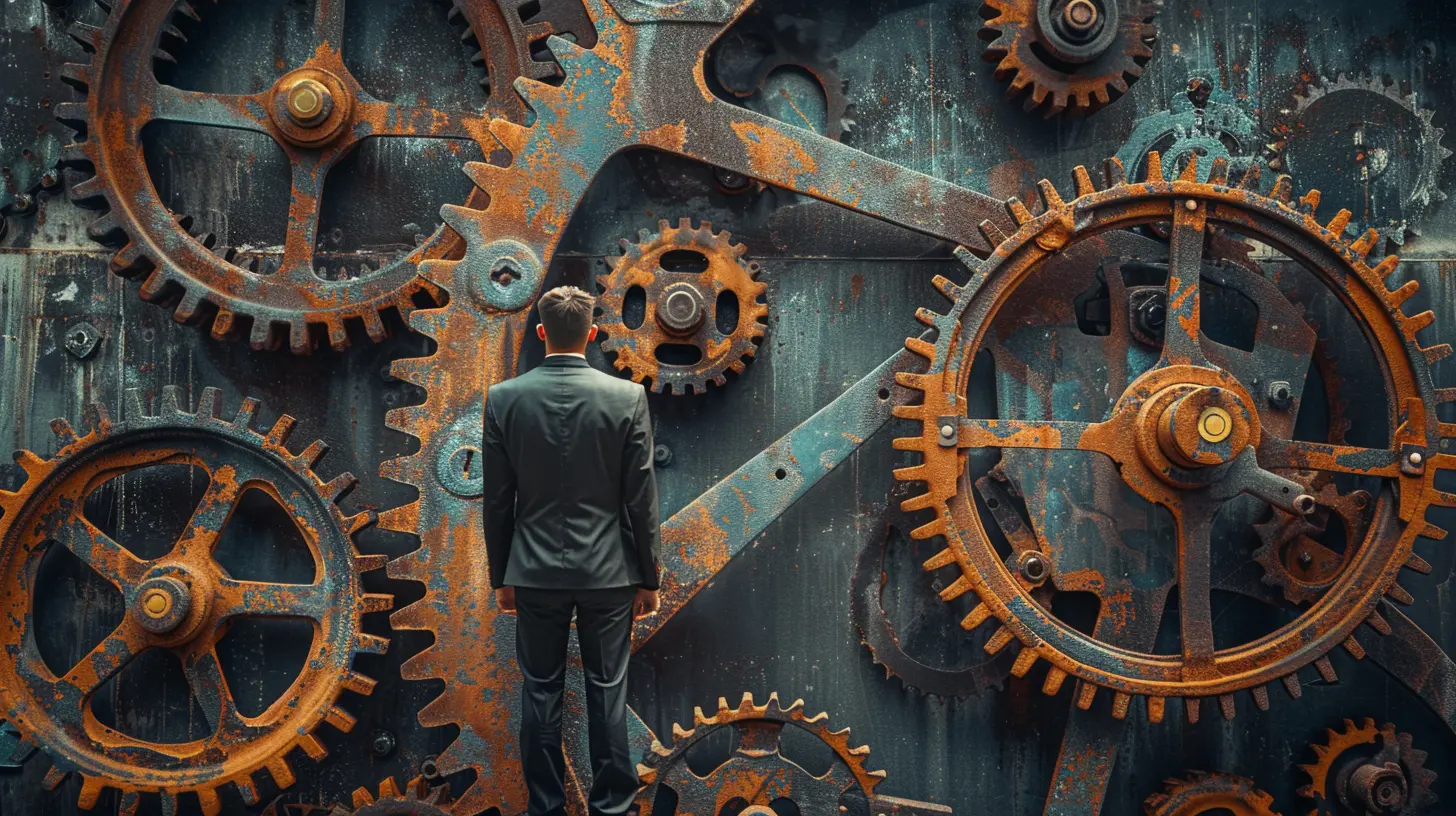
Why Technology Innovation Demands Ethical Reflection
When we talk about innovation, we’re talking about change—big, game-changing change. Artificial Intelligence (AI), facial recognition, blockchain, internet of things (IoT), data analytics, automation, and countless other advancements are completely transforming how business is done.But with great power comes—you guessed it—great responsibility.
Technology affects millions of lives in ways we don’t always see immediately. A new AI algorithm might make processes faster, but could it be biased? A data-collection app can improve user experience, but is it infringing on someone’s privacy? These aren’t just technical questions—they’re ethical ones.
Real-World Examples: When Ethics & Tech Collide
1. Facebook & Cambridge Analytica
Remember the data privacy scandal that rocked Facebook a few years back? Personal data from millions of users was harvested without consent and used for political advertising. Was the technology brilliant? Sure. Was it ethical? Not even close.2. Facial Recognition and Surveillance
Companies like Amazon and Clearview AI have faced criticism for supplying facial recognition tech to law enforcement. It’s efficient, fast, and futuristic. But it also raises huge concerns about surveillance, racial profiling, and civil liberties.3. AI in Hiring
Many companies now use AI to filter job applications. Great for efficiency. But what happens if the algorithm unintentionally discriminates against certain groups because of biased data? That’s an ethical nightmare waiting to happen.These situations underscore a central truth: Innovation without ethics is a ticking time bomb.
The Ethical Dilemmas Sparked by Technology
Let’s break down some of the common ethical dilemmas companies face in the digital age:⚖️ Privacy vs. Personalization
We all love personalized recommendations. Think Netflix suggesting your next binge or Amazon knowing what you’ll buy before you do. But to offer that level of personalization, companies need data—lots of it.The dilemma? Collecting user data raises questions about consent, security, and misuse. Just how much should a company know about you? And who gets to decide?
🧠 AI vs. Human Judgment
Automation and AI are amazing tools. They reduce workload and increase efficiency. But they also have limits. Can an AI truly understand human emotions? Can it navigate complex moral situations?Businesses must decide when to rely on technology and when to keep humans in the loop.
📉 Efficiency vs. Employment
Robots replacing factory workers. Chatbots replacing customer service reps. Algorithms replacing analysts. While innovation improves productivity, it often comes at the cost of jobs.The ethical question? Should progress leave people behind?
Why Business Ethics Shouldn’t Be an Afterthought
Here’s the deal—many companies treat ethics like a box to check off. They stick a values page on their website or appoint a Chief Ethics Officer and call it a day.But ethics isn’t a side dish—it’s the main course.
In fact, ethical lapses don’t just hurt people; they hurt business. A damaged reputation can sink stock prices, chase away customers, and attract heavy legal penalties. On the flip side, ethical companies build trust, loyalty, and long-term value.
So, if you think "doing the right thing" is just good karma, think again. It’s also good business.
How to Fuse Ethics with Innovation: A Practical Guide
So, how do we bring ethics into the fast-paced world of tech innovation?Here are some actionable ways businesses can bridge the gap:
1. Start with a Clear Ethical Framework
Before launching a new tech initiative, take a pause. Define what ethical success looks like. Ask:- Does this innovation respect user privacy?
- Could it cause harm, intentionally or unintentionally?
- Who benefits, and who might be left out?
Your ethical framework should be as robust as your business model.
2. Make Diversity Part of the Equation
Bias in technology often starts with bias in data—and data reflects the people behind it.Make sure your teams include diverse voices. Diversity in age, gender, race, background, and thought ensures that ethical blind spots are caught before it’s too late.
3. Build Transparency into Your Tech
Be upfront about how your tech works. Let users know what data you’re collecting and how it's being used. Give them control. When companies are transparent, people trust them more.Plain and simple.
4. Practice Ethical Foresight
Don’t just think about what your tech will do today. Think about where it might go tomorrow. Could it be misused? Could it evolve into something harmful? Use what-if scenarios and worst-case thinking to anticipate problems before they blow up.5. Involve the Whole Organization
Ethics isn’t just the job of compliance officers. It’s everyone’s responsibility—from the engineers coding the backend to the marketers crafting the messages.Make ethics part of the culture. Offer training, encourage ethical debates, and reward responsible innovation.
The Role of Leadership in Ethical Innovation
Leaders set the tone. Period.If company leaders prioritize ethical thinking at every level, from product design to customer service, it creates a ripple effect. Teams follow suit. Ethical behavior becomes the norm, not the exception.
Great leaders don’t just ask, “Can we build it?” They also ask, “Should we?”
The Future of Ethical Tech: What Lies Ahead?
Here’s the thing—technology isn’t slowing down. We’re entering an era of virtual reality, autonomous vehicles, and AI that can write poetry (maybe even this article one day?). The ethical stakes are only going to get higher.Future-proof businesses are the ones that bake ethics into their DNA now. They recognize that technology is a tool—and like any tool, its impact depends on how it’s used.
Ethics won’t kill innovation. It will guide it.
Think of ethics as the compass that makes sure you’re not just moving fast—but moving in the right direction.
Final Thoughts: It’s Time to Rethink Innovation
We’re standing at a pivotal moment in history. The decisions we make today around innovation will shape not just the market, but society.Sure, it’s exciting to dream about what technology can do. But let’s not forget to ask what it should do. Because at the end of the day, progress without ethics is like a rocket without a map—it may go far, but it won’t always land well.
Businesses have a choice. They can rush ahead blindly or slow down just enough to see the big picture. The best companies? They’ll do both. They’ll move fast, stay smart, and always, always do right by people.
After all, that’s where the real innovation lies—not just in what we build, but in how we build it.
all images in this post were generated using AI tools
Category:
Business EthicsAuthor:

Susanna Erickson
Discussion
rate this article
2 comments
Reese Velez
Balancing ethics and innovation is crucial for sustainable business growth and societal trust.
March 23, 2026 at 4:14 AM
Susanna Erickson
I completely agree. Striking that balance is essential for fostering long-term relationships with consumers and ensuring responsible progress.
Gisela Torres
Great insights! Embracing ethics alongside innovation not only fosters trust but also drives sustainable success in today's rapidly evolving landscape.
February 25, 2026 at 4:35 AM
Susanna Erickson
Thank you! I completely agree—balancing ethics and innovation is crucial for long-term success in today's fast-paced world.