The Impact of Corporate Social Responsibility on Consumer Trust
6 April 2026
Let’s talk about something that goes beyond just profits and products—something that genuinely touches hearts and shapes opinions: Corporate Social Responsibility, or CSR for short. You’ve probably heard this term tossed around by brands trying to sound woke or responsible. But here's the big question: does CSR actually affect how much consumers trust a company?
Spoiler alert: it absolutely does. And in this post, we’re going to explore exactly why that is.
What Is Corporate Social Responsibility, Really?
Let’s kick things off by breaking down what CSR really means.Corporate Social Responsibility is when businesses voluntarily take steps to positively impact society and the environment—beyond what is legally required. That means doing more than just making money. We’re talking about reducing carbon footprints, improving labor policies, engaging in fair trade, giving back to the community, and being more transparent overall.
It’s about a company deciding, “Hey, it’s not just about us, it’s also about the planet and the people on it.”
Pretty cool, right?
Why Trust Matters More Than Ever
Let’s be honest: in today’s world, consumers are more informed, more picky, and more skeptical than ever before. They do their research. They read reviews. They value authenticity. So, trust? Yeah, it’s a big deal.Trust isn’t just a buzzword—it’s the glue that keeps loyal customers coming back and spreads brand love like wildfire. In a world overflowing with options, trust is what makes someone pick your product off the shelf instead of your competitor’s.
But here’s the kicker. Trust is fragile. It’s hard to gain and super easy to lose. That’s where CSR steps in as a silent but powerful relationship builder.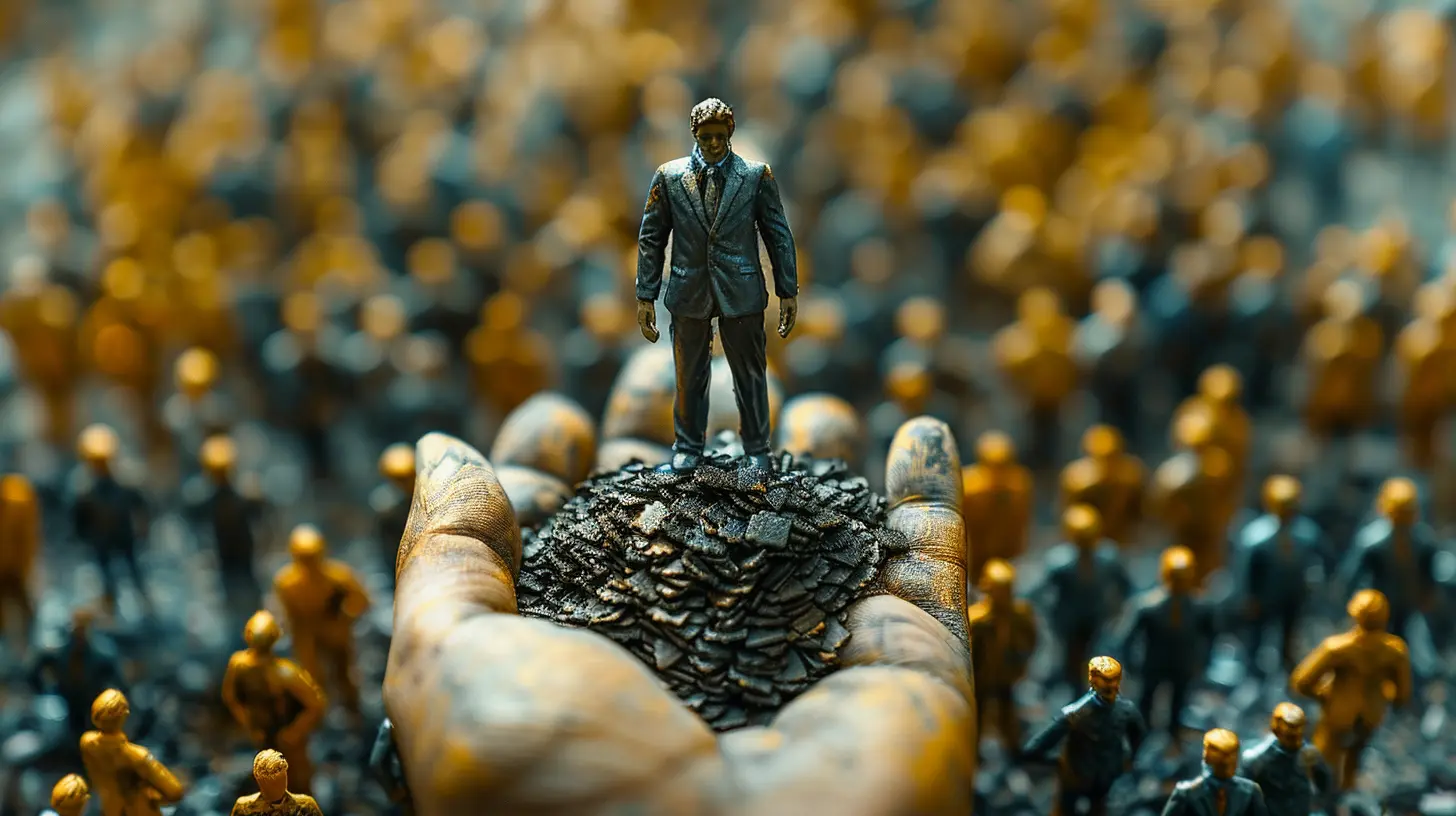
How CSR Builds Consumer Trust
1. It Shows You Actually Care
Think about it. When companies go out of their way to make a positive difference—whether it’s donating a portion of profits to charity or running eco-friendly operations—it sends a strong message: “We care about more than just money.”This human side of business resonates with people. It shows there are real hearts behind the logo. Consumers appreciate when brands align with values that matter to them—like sustainability, equality, and ethical practices.
In fact, studies show that over 70% of consumers prefer to buy from brands that reflect their values. So doing good? Doesn’t just feel good—it makes business sense too.
2. CSR Creates Transparency (And That’s Gold)
Let’s get real for a moment—transparency is non-negotiable in building trust.CSR often involves sharing goals, progress, and setbacks openly with the public. When a company publishes sustainability reports or openly talks about the challenges it’s facing, consumers see it as honest, vulnerable, and, most importantly, trustworthy.
It’s similar to any personal relationship. If someone’s always upfront with you—good news or bad—you’re more likely to trust them. Same goes for brands.
3. Leads to Better Storytelling
We all love a good story, don’t we?Companies that embrace CSR have more than just products to sell—they have stories to tell. Whether it’s about helping build schools in underserved areas or switching to renewable energy, these stories create emotional connections that customers remember.
CSR gives a brand depth. It adds meaning beyond marketing slogans and clever logos.
4. Builds Emotional Loyalty, Not Just Product Loyalty
There’s a big difference between a customer who likes your product and a customer who believes in your mission.CSR can turn passive buyers into active advocates. When someone feels emotionally aligned with a brand, they don’t just buy—they promote. They defend you on social media. They stick with you through thick and thin.
That kind of loyalty? You can’t buy it with marketing dollars.
Real-World Examples That Hit Home
Let’s put theory into practice and check out some companies that nailed it with CSR:Patagonia – Walking the Eco Talk
Patagonia isn’t just selling outdoor gear—they’re selling a movement. The brand pledges 1% of sales to environmental preservation and often encourages consumers to buy less to help the planet.Result? Sky-high trust and brand loyalty.
TOMS Shoes – One for One
TOMS built its entire brand around giving. Initially, for every pair of shoes sold, one was donated to someone in need. That simple act of kindness created a wave of goodwill that skyrocketed customer trust and loyalty.Ben & Jerry’s – Sweet Treats with a Side of Justice
Ben & Jerry’s has always been vocal about social justice issues—even when it wasn’t trendy. Their transparency and activism haven’t just won awards; they’ve won hearts.The Flip Side: When CSR Backfires
Now, let’s not pretend it’s all rainbows and roses.If CSR is done half-heartedly or just for the sake of publicity, people can sniff it out from a mile away. That’s called “greenwashing”—aka pretending to be environmentally conscious just to look good.
And trust me, nothing breaks trust faster than realizing a company lied or exaggerated about its social efforts. It’s like finding out your favorite influencer faked their charity work. Ouch.
So here’s the rule of thumb: mean it or don’t do it at all.
What Consumers Really Want From Brands
You might be wondering—what exactly do consumers expect when it comes to CSR?Well, it’s not necessarily perfect execution; it’s honest effort. Here’s what they’re really looking for:
- Consistency – CSR shouldn’t be a once-a-year PR stunt. It should be integrated into the company's daily operations and long-term vision.
- Authenticity – Be real. Consumers can smell fake compassion.
- Relevance – Support causes that naturally align with your brand. A fast-food chain promoting dental hygiene? Weird. Supporting food banks? Makes sense.
- Impact – Show results. People want to see the numbers, stories, and change you’re making.
If your brand can deliver on these expectations, you’re not just building trust—you’re earning long-term loyalty.
The Role of Social Media in Spreading CSR Impact
Here’s a game-changer: social media.Platforms like Instagram, Twitter, and LinkedIn have given brands the perfect stage to share their CSR efforts. A short post showing a tree-planting event or a quick behind-the-scenes video at a charity drive can reach thousands (or millions) in a flash.
But it’s a double-edged sword. The same platforms that celebrate your efforts can also call you out if you’re not walking your talk.
So yes—use social media to amplify your CSR. But do it with heart, not just filters and hashtags.
CSR Is the New Brand Currency
In the past, a brand’s success was measured by its sales and market share. Today? The measure of a brand goes deeper. It’s about impact, purpose, and yes—trust.CSR isn’t a passing trend. It’s the new brand currency. A symbol of integrity. A trust-building powerhouse.
Think of CSR as an investment, not an expense. An investment in people, the planet, and ultimately, in your brand's future.
Final Thoughts: People Remember How You Make Them Feel
At the end of the day, most people won’t remember the clever ad jingle or that flashy new product you launched last year. But they’ll remember how your brand made them feel.If your business stands up for what’s right, shows compassion, and makes a genuine effort to give back—you’re not just creating customers.
You’re earning trust.
And in a noisy world full of options, trust is the one thing that truly sets you apart.
So, is your brand using CSR to build trust? Or are you just checking a box?
Because let’s face it: today’s consumers are watching—and their trust has to be earned, not bought.
all images in this post were generated using AI tools
Category:
Business EthicsAuthor:

Susanna Erickson
Discussion
rate this article
2 comments
Flora McVaney
Corporate Social Responsibility isn't just a trend; it's a trust-building strategy. Consumers today wield power—supporting brands that align with their values. Companies ignoring this shift risk losing not just sales, but credibility. In the end, integrity translates to loyalty in the marketplace.
April 14, 2026 at 3:25 AM
Susanna Erickson
Absolutely. Consumers are increasingly choosing brands that reflect their values. Prioritizing integrity is key to building lasting trust and loyalty.
Orionis McCracken
Oh sure, because nothing says “I care about you” like a company tweeting about saving the whales while still charging you for that extra ketchup. Trust levels: off the charts!
April 8, 2026 at 11:46 AM
Susanna Erickson
You make a valid point. Actions speak louder than words, and consumers can see through hypocrisy. Genuine commitment to sustainability is key.