The Future of AR and VR in Digital Marketing
21 December 2025
Remember when digital marketing was all about banner ads and email blasts? Fast forward to today—and whoa—it’s a whole new ball game. Enter the dynamic duo changing everything: Augmented Reality (AR) and Virtual Reality (VR). These techs are no longer just for gamers or sci-fi lovers. They're front and center in the marketing world, and they’re shaking things up in ways that were once unimaginable.
So, what does this mean for marketers, businesses, and even us as everyday consumers? Grab a cup of coffee (or your drink of choice), and let’s unpack how AR and VR are rewriting the marketing playbook.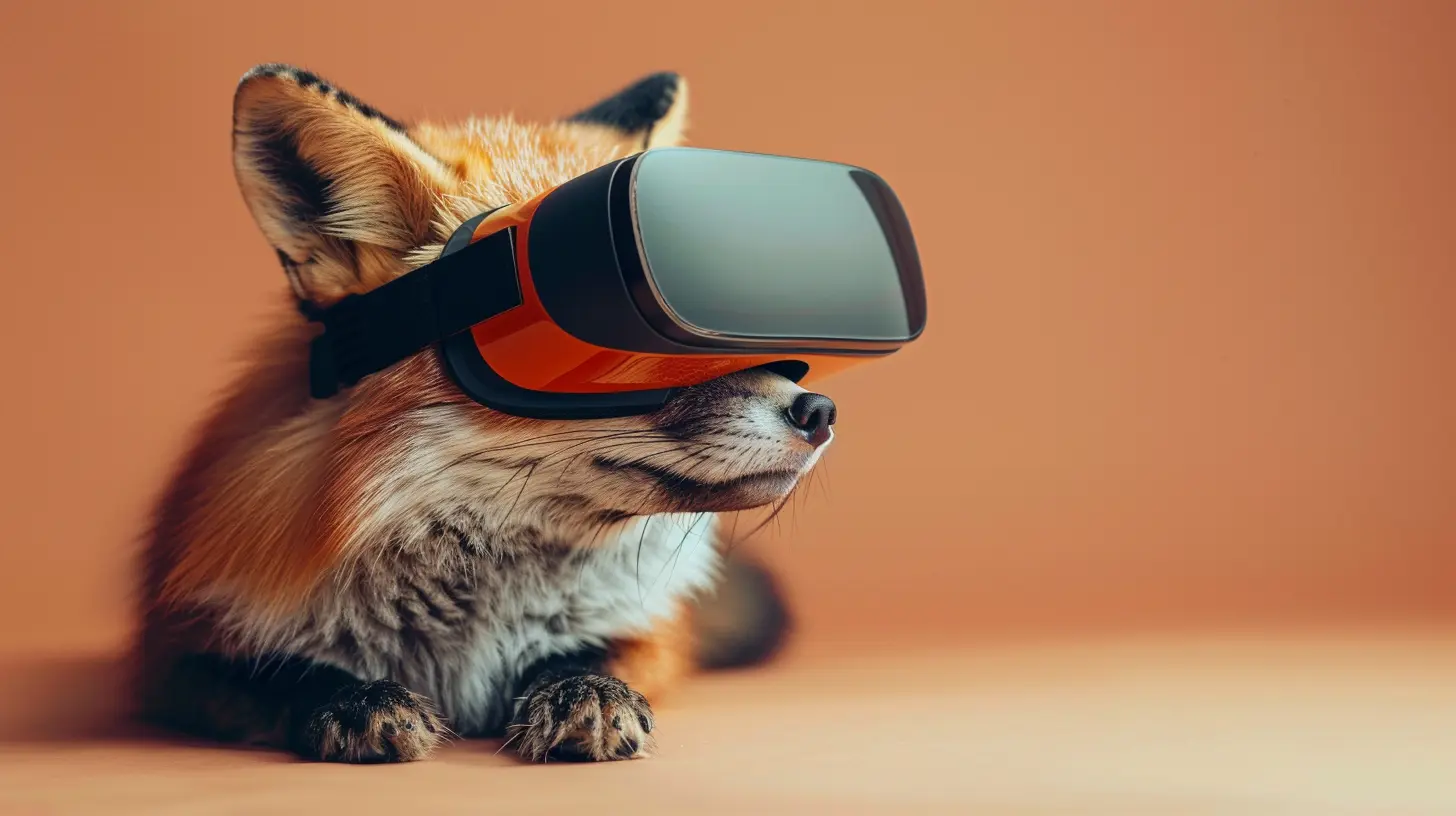
What Exactly Are AR and VR?
Before diving in, let’s get clear on what we’re talking about.- Augmented Reality (AR): Think Snapchat filters or Pokémon Go. It overlays digital content onto the real world through devices like smartphones or AR glasses.
- Virtual Reality (VR): Total immersion. You’re not in your world anymore—you’re in a digital one, fully created by tech. This typically requires headsets like the Oculus Rift or HTC Vive.
Both have their own unique flavors, but when it comes to digital marketing? They’re a force to be reckoned with.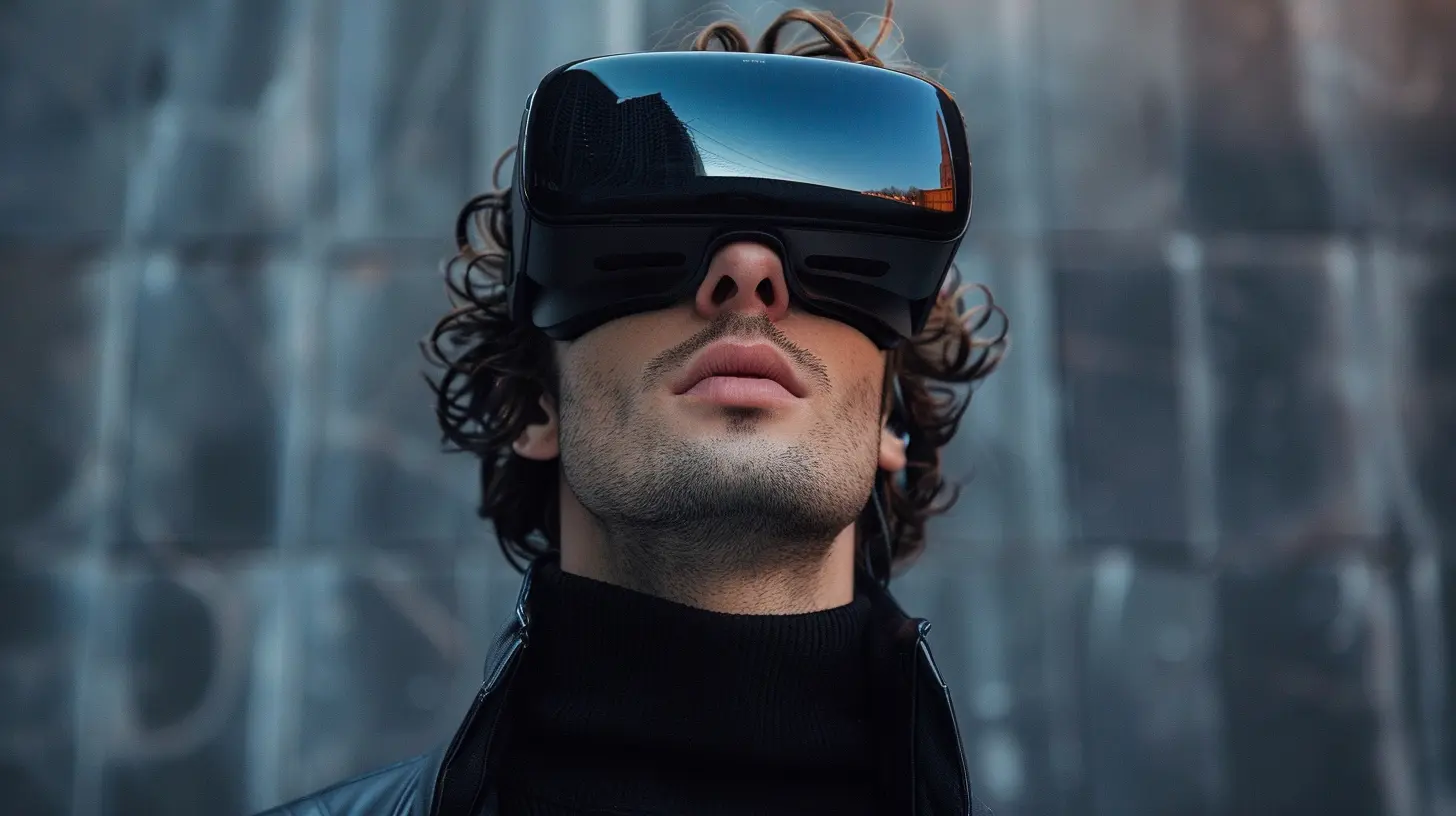
Why AR and VR Are Game Changers in Marketing
Let’s keep it real—traditional ads are losing their charm. Banner blindness is real, people skip YouTube ads like pros, and we’re all getting a bit numb to the same old sales pitches.But AR and VR? They grab attention. They wow people. They make brands unforgettable. Here’s why:
1. Immersive Experiences Build Emotional Connections
Ever tried on a pair of sunglasses virtually before buying? That’s AR at work. And it’s not just a fun gimmick—it actually makes shoppers feel more confident in their purchases.Now imagine stepping into a luxury hotel room in Bali without leaving your couch. That’s VR. And it creates a visceral reaction—people feel like they’ve been there.
That emotional connection? Pure gold for marketers.
2. Try Before You Buy = Higher Conversion Rates
Let’s face it: people are hesitant to buy things online without seeing them. AR solves that. Whether it's furniture in your living room or lipstick on your lips, when users can preview products in real-life settings, they’re more likely to seal the deal.Brands like IKEA and Sephora are already doing this… and the results? Through the roof.
3. Storytelling Like Never Before
Storytelling is the soul of marketing. And with VR, stories come alive—literally. Imagine launching a new eco-friendly shoe brand. Instead of writing a blog post, you could take your customers on a virtual journey through the rainforest to see where your materials come from.Pretty cool, right?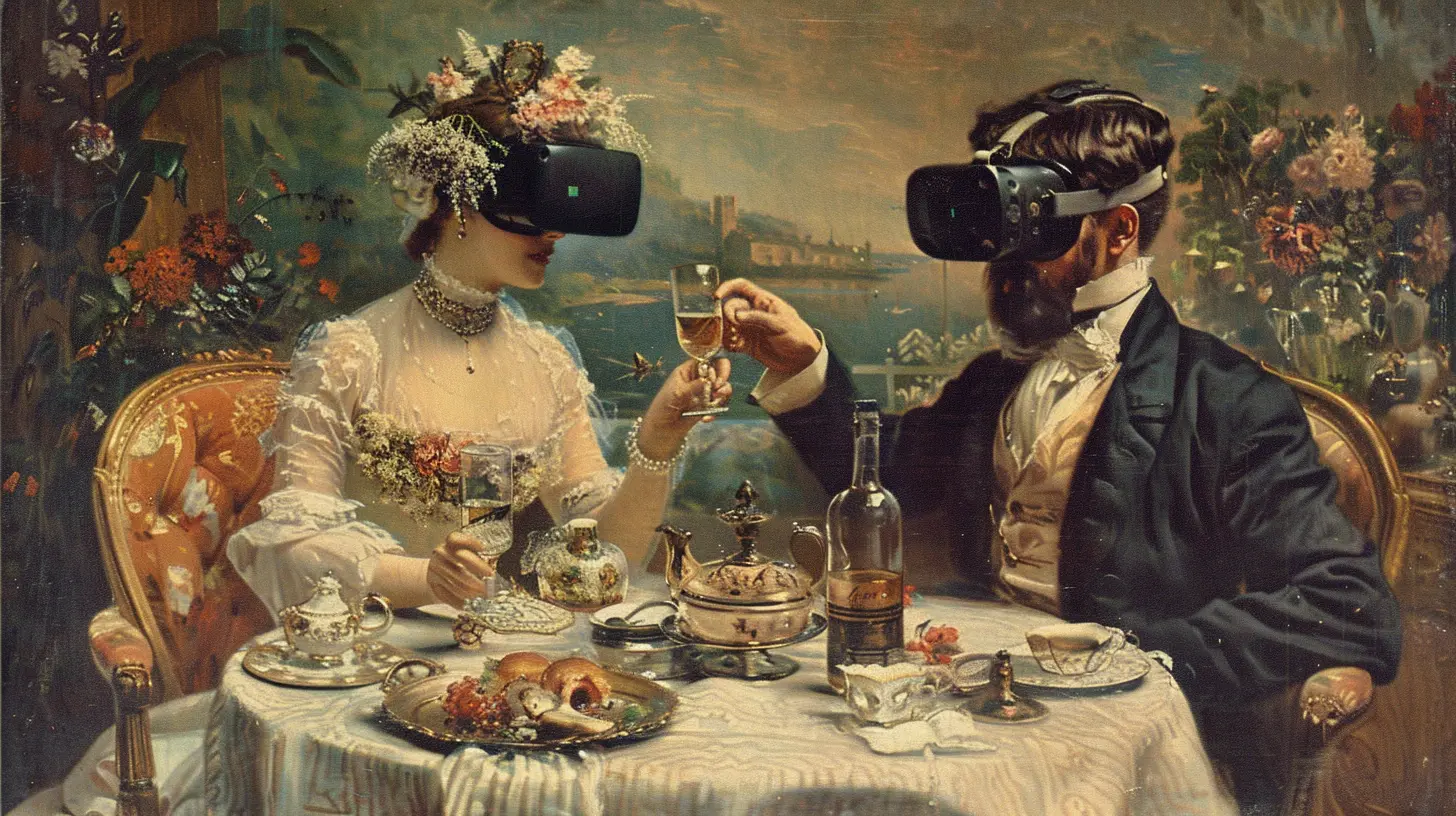
Current Real-World Use Cases
It’s not just talk. Brands are already diving into AR and VR—and winning big.IKEA’s Place App
Wanna see how that couch looks in your living room before buying it? IKEA’s app lets you do just that using AR. It’s like trial-and-error, minus the heavy lifting.Nike’s Virtual Shoe Try-On
Nike lets customers try on shoes virtually. AR scans your feet and shows how the shoes would look on them. No guessing sizes, no endless returns.Marriott’s Travel VR Experiences
Marriott created VR experiences that let users “teleport” to destinations. It’s the next best thing to actually being there—and it plants the travel bug like nothing else.L’Oréal’s AR Makeup Try-On
Nobody likes buying makeup and realizing it’s the wrong shade. L’Oréal’s AR tech lets users try before buying, boosting both confidence and sales.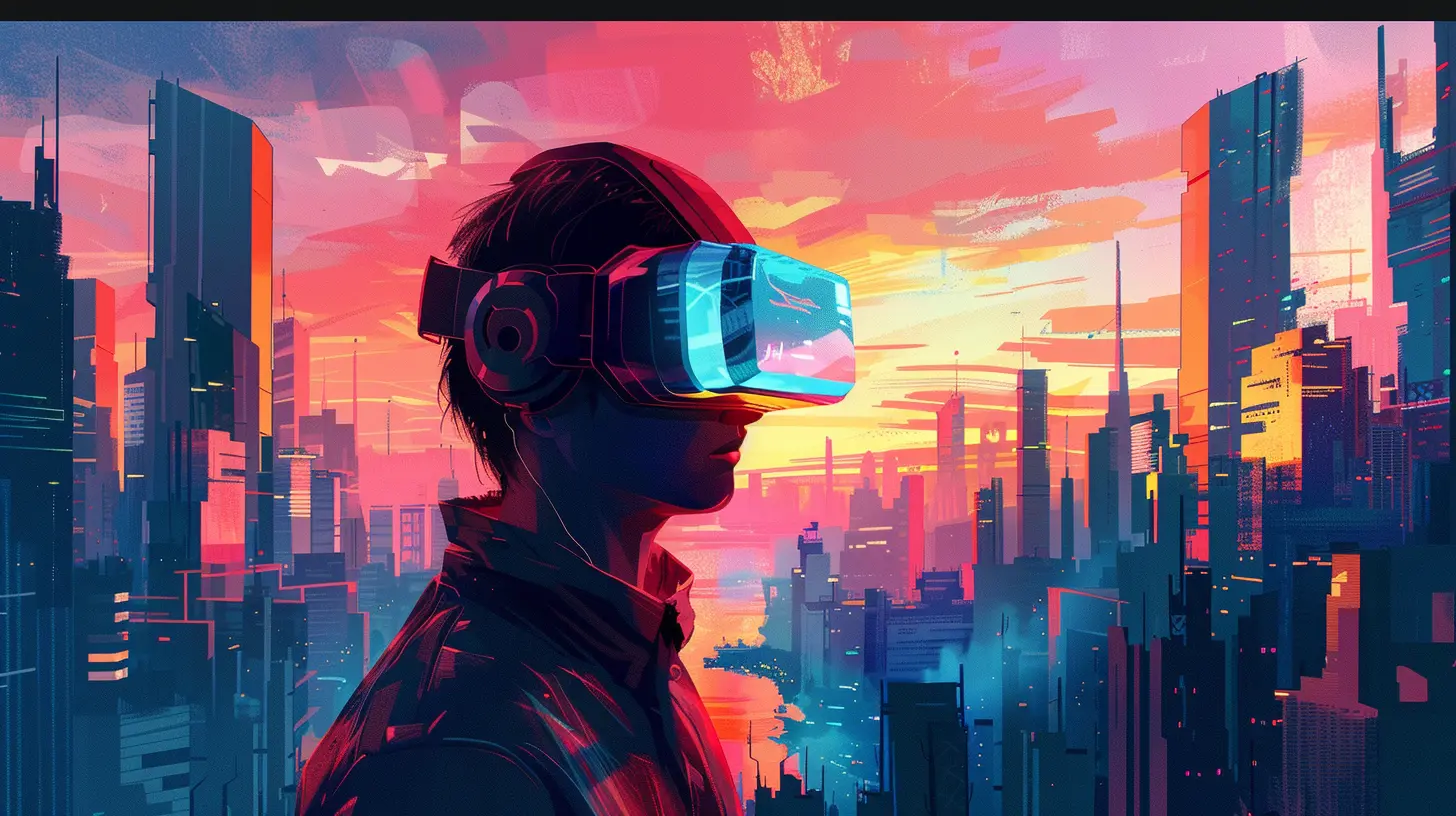
The Benefits for Marketers
Still wondering what's in it for marketers? Let’s break it down:1. Deeper Engagement
People don’t just see your brand—they experience it. And experiences stick. The longer users engage, the stronger the brand recall.2. Shareability
AR filters and VR scenes are made for social sharing. Just think of how fast a cool branded filter can go viral on Instagram or TikTok.3. Data Collection Goldmine
AR and VR platforms are like treasure chests of user behavior data. You get insights into how people interact, where they drop off, what grabs their attention—and you can tweak your strategies accordingly.4. Competitive Edge
Let’s be honest—it’s still early days. Brands who jump in now are seen as innovators. It’s a great way to stand out in a crowded market.Challenges to Watch Out For
Okay, it’s not all rainbows and unicorns. AR and VR in marketing do come with challenges.1. High Development Costs
Creating AR and VR experiences isn’t exactly cheap. You need skilled developers, designers, and (sometimes) pricey equipment.2. Tech Accessibility
Not everyone has a VR headset lying around. While AR on smartphones is more accessible, full-blown VR still has a way to go before it’s mainstream.3. User Resistance
Some folks love new tech; others—not so much. There could be hesitation, especially from less tech-savvy audiences.4. Privacy Concerns
As with any data-rich tech, privacy is always a hot-button issue. Brands need to be transparent about what data they collect and how it’s used.What the Future Holds
Now let’s get to the juicy part: what’s next?Spoiler alert: the future looks really exciting.
1. AR Shopping Will Be the Norm
Imagine walking down the street, seeing a cool jacket on someone, and instantly using AR glasses to find where to buy it. Sounds wild, but it’s coming.2. Metaverse Marketing Will Take Over
With companies like Meta pouring billions into the metaverse, it's only a matter of time before virtual malls and immersive brand experiences are part of our regular online journey.You won’t just visit a store—you’ll be in it virtually.
3. Smarter, AI-Driven Experiences
Pair AR and VR with AI, and you’ve got a marketing powerhouse. Personalized virtual tours, AI-based AR filters that change depending on user mood—the possibilities are endless.4. Bigger Focus on Mobile AR
Since almost everyone has a smartphone, expect brands to heavily invest in mobile AR apps vs. full-blown VR. It’s simply more accessible right now.Getting Started: How Brands Can Leverage AR and VR Today
Thinking of dipping your toes into the AR/VR pool? Start small. Here’s how:1. Use AR Filters on Social Media
Create a branded Instagram or Snapchat filter. It’s cheaper than full-on VR and drives immediate engagement.2. Invest in a Virtual Product Try-On
This could be as simple as integrating AR into your e-commerce platform. Let users try on shoes, glasses, clothes, or makeup.3. Host Virtual Events or Product Launches
Instead of a Zoom call or boring webinar, how about a VR showroom? Invite users to walk through your product line in a customized 3D environment.4. Collaborate With Tech Experts
There are tons of agencies and platforms that specialize in AR and VR development. Partner up if you don’t have the in-house know-how.Final Thoughts
Look, AR and VR aren’t just trends—they’re the future. Just like social media flipped digital marketing on its head, immersive technologies are doing the same.But here’s the trick: it’s not about using fancy tech for the sake of it. It’s about how you use it to genuinely connect with your audience, solve their problems, and create experiences they'll remember.
So if you’re a brand looking to stand out, now’s the time to get on board.
Are you ready to step into the future?
all images in this post were generated using AI tools
Category:
Digital MarketingAuthor:

Susanna Erickson
Discussion
rate this article
2 comments
Victoria Jones
AR and VR are not just marketing buzzwords; they're the new canvas for brand storytelling. As consumer expectations evolve, immersive experiences will reshape engagement. Embracing these technologies isn't just a trend—it's a necessity for brands aiming to captivate and connect in a digitally saturated world.
January 24, 2026 at 3:25 AM
Susanna Erickson
Absolutely! AR and VR are transforming brand storytelling, offering immersive experiences that meet evolving consumer expectations. Embracing these technologies is essential for brands to truly engage in today’s crowded digital landscape.
Chantal Cross
Great insights! Excited to see how AR and VR will transform digital marketing and enhance customer experiences in the future.
December 24, 2025 at 3:38 AM
Susanna Erickson
Thank you! I share your excitement about the potential of AR and VR to revolutionize digital marketing and elevate customer experiences. Stay tuned!