The Benefits of Hybrid Project Management Approaches
13 December 2025
Project management, like fashion trends, has evolved. You've probably seen the battle between Agile and Waterfall methodologies—roles defined, meetings scheduled, and some serious debates unfolding around sticky notes and Gantt charts. But what if I told you that instead of picking sides, there's a smarter way to work?
Enter Hybrid Project Management—a flexible, customizable, and downright practical approach that combines the best of both worlds. Whether you're managing a small marketing campaign or rolling out a complex IT infrastructure, hybrid models can be your secret weapon. Ready to find out why it's worth the hype? Let’s break it down!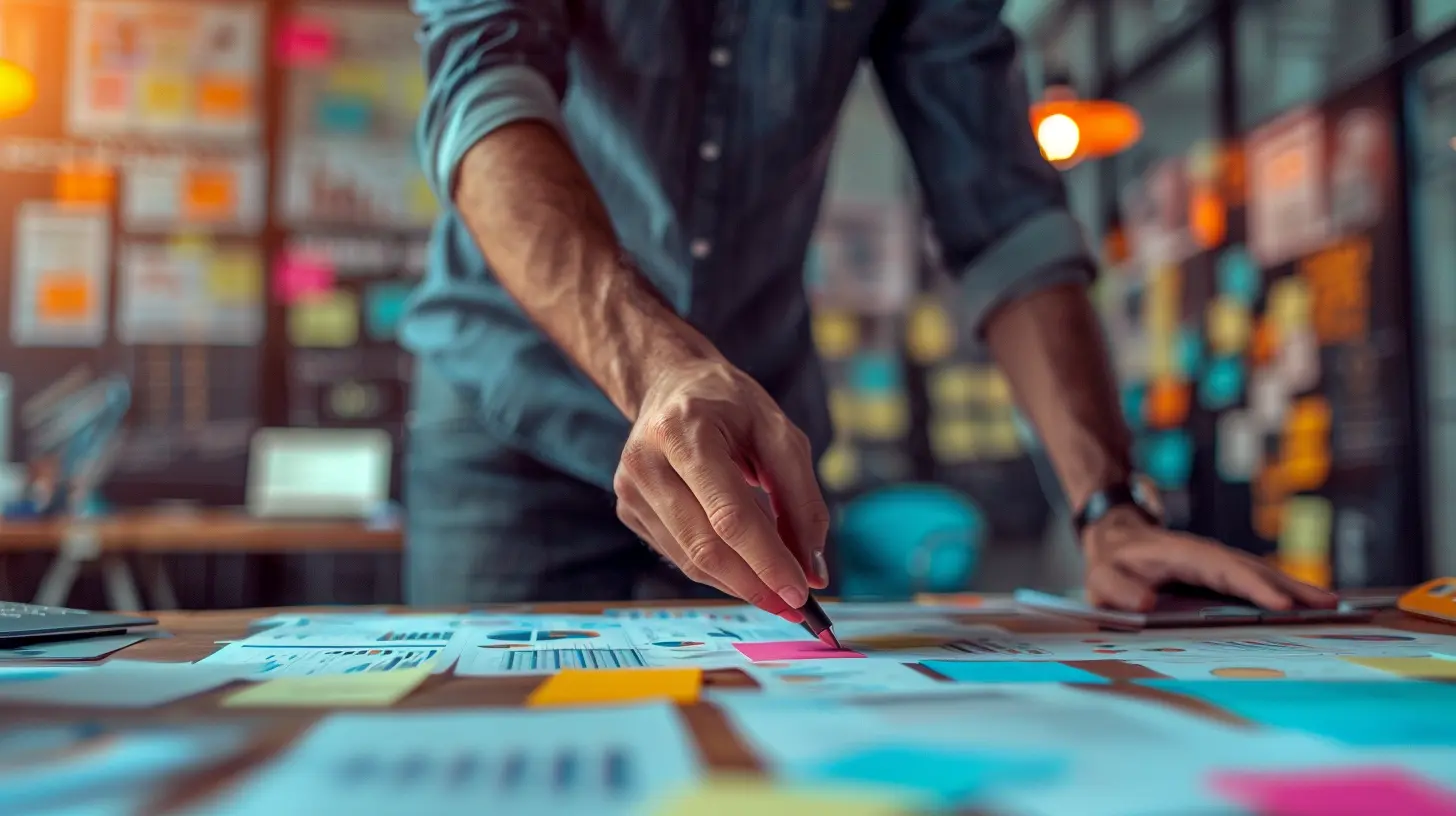
What Is Hybrid Project Management?
Before we dive into the benefits, let’s tackle the obvious—what exactly is hybrid project management?Imagine you're at a buffet. On one side, you've got Agile—light, fast, iterative. On the other, Waterfall—the full-course meal: structured, predictable, and organized. With a hybrid approach, you take what you love from each side and build your ideal plate of project management goodness.
In simple terms, hybrid project management blends traditional (usually Waterfall) and agile techniques to suit specific project goals, team dynamics, and stakeholder needs. Think of it as building your own sandwich—you get to choose the bread, fillings, and toppings based on what actually works for you, not based on someone else's idea of the “perfect” meal.
Why Are Hybrid Approaches Gaining Momentum?
Companies across industries are ditching the strict one-size-fits-all mindset. Why? Because not all projects are created equal. Some need flexibility and constant iteration. Others need a rock-solid plan from day one.Hybrid models offer a chance to dance between both worlds—structured planning and adaptive execution. In today’s fast-paced, change-hungry environment, that flexibility isn’t just nice to have—it’s essential.
The Top Benefits of Hybrid Project Management
Alright, enough theory. Let’s roll up our sleeves and dig into the real-world advantages of going hybrid.1. Adaptability to Any Project Type
One of the biggest perks? Tailor-made execution. Whether you're launching a mobile app or constructing a skyscraper, a hybrid model gives you the freedom to mix and match your methods.- Need frequent client feedback? That’s your Agile slice.
- Working with fixed regulatory requirements? That’s your Waterfall layer.
This ability to adapt ensures better alignment with project needs and leads to more successful outcomes.
2. Better Risk Management
Let’s face it—every project comes with some risks. But here’s the good news: hybrid models help you tackle them head-on.With traditional planning upfront (hello, Waterfall), you can spot potential issues early. Combine that with Agile’s regular check-ins, and you’ve got a safety net to catch problems before they spiral.
It’s like having both a seatbelt and an airbag. Why choose just one when you can have both?
3. Improved Stakeholder Communication
Ever tried explaining a full Agile sprint backlog to a non-tech-savvy client? Or had a stakeholder freak out because they didn’t see a detailed timeline?Hybrid models solve this by offering the best communication style for everyone involved. Use Waterfall elements (like detailed timelines and milestone tracking) to keep stakeholders informed and confident. Meanwhile, Agile-inspired updates allow your team to stay engaged and proactive.
Everyone speaks their language—and everyone wins.
4. Enhanced Team Collaboration
Different teams have different ways of working. Your developers might live and breathe Agile, while your marketing team prefers step-by-step instructions.A hybrid approach allows cross-functional teams to work in the way that suits them best, without forcing a single methodology on everyone. And when teams are comfortable, collaboration skyrockets.
Think of it as a jazz band. Everyone’s playing a different instrument, but together, they make magic.
5. Faster Time to Market
We live in a world where speed matters. Get your product out there fast—or risk being forgotten.With a hybrid approach, you can start development while the planning phase is still happening for other project components. Agile lets you iterate and deliver quickly. Waterfall ensures you're not cutting corners.
The result? A well-planned, high-quality deliverable in a shorter time frame. Boom.
6. Higher Quality Deliverables
Quality can sometimes take a backseat if speed is prioritized too heavily. But hybrid approaches strike a neat balance.The Agile side promotes constant feedback from end-users, meaning bugs and flaws are caught early. Meanwhile, the traditional model ensures clear documentation and compliance, especially in regulated environments like healthcare or finance.
It’s like cooking with both a recipe (Waterfall) and a taste-test (Agile). The outcome? Deliciously on-point results.
7. Better Resource Utilization
Let’s be real—resources are always limited. Whether it's budget, personnel, or time, you’ve got to make every bit count.Hybrid project management allows you to allocate resources based on short-term tasks and long-term planning. This leads to better utilization and less resource burnout.
Instead of putting all your eggs in one methodology basket, hybrid lets you spread your risk and optimize performance.
When Should You Use a Hybrid Project Management Approach?
Now that we’ve sung its praises, let’s talk about when hybrid actually makes sense.Use Hybrid When:
- You’re tackling complex projects with both creative and technical elements.- Your team is made of folks with different working styles.
- Stakeholders demand detailed plans but expect iterative delivery.
- You need to meet regulatory standards without sacrificing speed.
Basically, if your project doesn’t fit neatly into the Agile or Waterfall bucket, hybrid might just be your best bet.
Common Hybrid Project Management Models
Let’s peek behind the curtain. There isn’t just one way to “do” hybrid. Here are a few common styles:1. Water-scrum-fall
This model kicks off with Waterfall-style planning, shifts into Agile for development work, and ends with structured delivery. It’s often used by large enterprises where governance is strict, but teams still need agility.2. Agile-Waterfall Hybrid
Here, different parts of the project follow different methodologies. For instance, design and planning may be done using Waterfall, while the actual development follows Agile sprints.3. Custom Hybrid
This is the ultimate DIY version. Project managers cherry-pick specific tools, techniques, and frameworks from both worlds to build a unique approach tailored to their team and project.No two custom hybrids are the same—and that’s the point.
Tools That Support Hybrid Project Management
You don’t need to juggle everything manually. There are some fantastic tools out there that make hybrid in practice a whole lot easier:- Jira – Excellent for Agile task tracking.
- Asana – Great for managing projects with blended methodologies.
- Microsoft Project – Ideal for detailed timeline planning.
- Trello – Perfect for visualizing tasks in both Agile and traditional formats.
- Smartsheet – Combines spreadsheets with project planning features.
The trick is to pick tools that your team actually likes to use. If it feels like a chore, it won't stick.
Challenges to Watch Out For
Let’s not sugarcoat it—hybrid project management isn’t a silver bullet. Here are a few things to be mindful of:1. Complex Coordination
Blending two systems can cause confusion if not managed well. Clear roles, responsibilities, and processes are crucial.2. Resistance to Change
Some team members might be die-hard Agile fans. Others live by Waterfall. Bringing them together requires leadership, patience, and sometimes a little diplomacy.3. Tool Overload
Don’t fall into the trap of using too many tools just because they're cool. Keep your tech stack lean and meaningful.Final Thoughts
Hybrid project management is like building your own playlist. You combine the fast beats of Agile with the structured symphony of Waterfall—and the result is harmony that fits your unique rhythm.It’s not about choosing one over the other. It’s about being pragmatic, flexible, and smart. Whether you're navigating a complex product launch or managing a diverse team, hybrid approaches can offer the balance you need to deliver quality results—on time, and without losing your mind.
So next time someone asks “Are you Agile or Waterfall?”, you can simply smile and say, “Actually, I'm both. And it works beautifully.
all images in this post were generated using AI tools
Category:
Project ManagementAuthor:

Susanna Erickson
Discussion
rate this article
2 comments
Wesley Kearns
Flexibility meets structure—success simplified!
January 12, 2026 at 8:41 PM
Susanna Erickson
Thank you! I'm glad you found the article highlights the balance of flexibility and structure in hybrid project management. It's key to achieving success!
Kinsley Kline
This article effectively outlines the advantages of hybrid project management. It highlights how combining traditional and agile methods can enhance flexibility and efficiency. A clear understanding of this approach can empower teams to adapt and thrive in an increasingly dynamic project environment. Great insights!
December 13, 2025 at 11:58 AM
Susanna Erickson
Thank you for your thoughtful feedback! I'm glad you found the insights on hybrid project management beneficial.