The Art of Upselling and Cross-Selling in B2C
25 February 2026
When you're running a business in the B2C (Business-to-Consumer) realm, the game isn’t always about getting new customers. Sometimes, the real magic happens when you start focusing on the ones you already have. That's where upselling and cross-selling come in—two strategies that, when done right, can skyrocket your revenue and deepen customer loyalty.
So, what do these terms really mean, and how can you apply them without sounding pushy or desperate? Let’s dive deep into the art of upselling and cross-selling in B2C and how you can master it.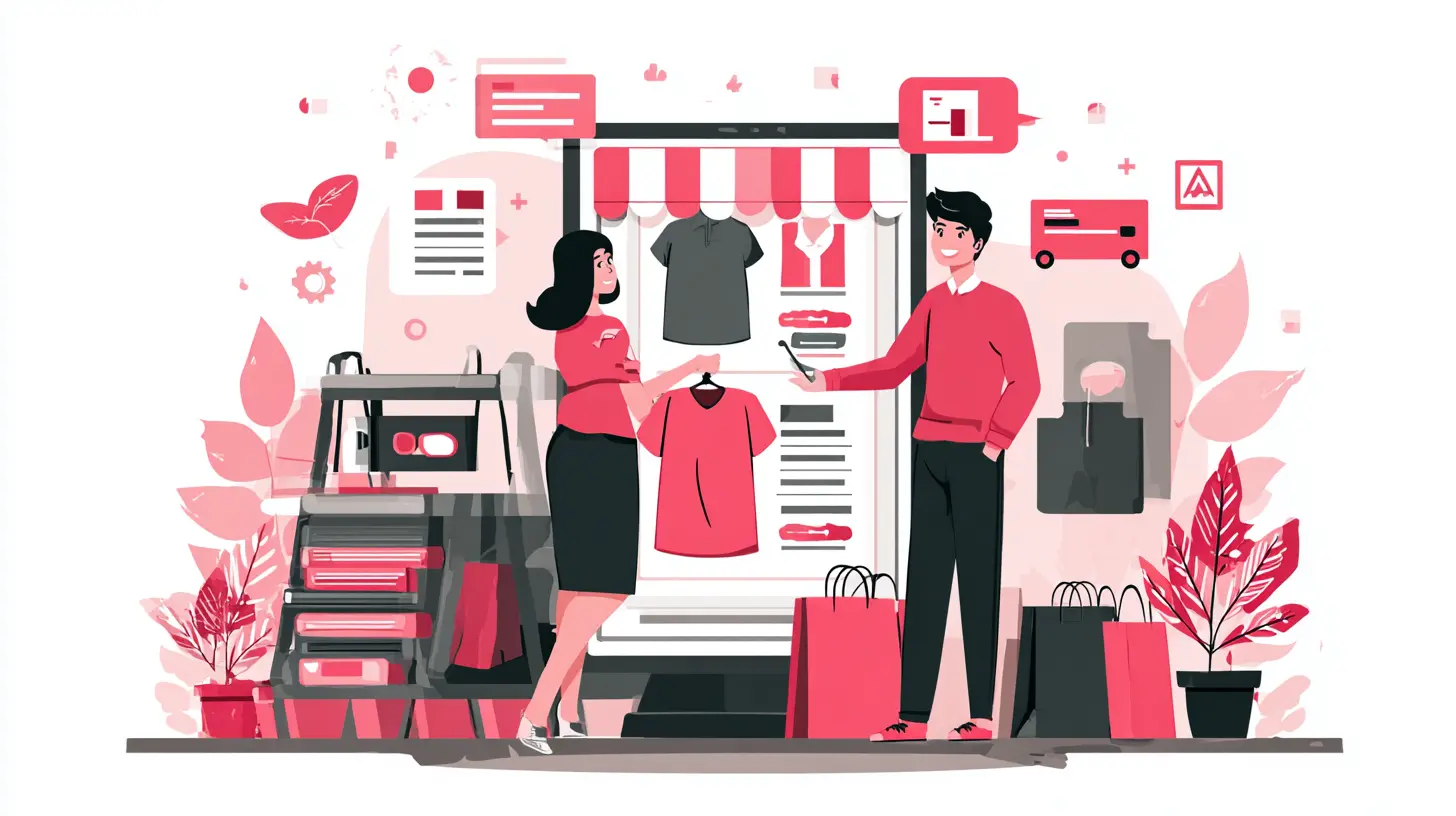
What Is Upselling and Cross-Selling?
Before we get too ahead of ourselves, let’s clear the air.Upselling
Upselling is when you encourage a customer to purchase a more expensive version of the product they’re already eyeing. Think of it as the “premium” or “pro” version. For instance, if someone is looking at a basic smartphone, upselling would be suggesting the one with more storage and better camera specs.Cross-Selling
Cross-selling, on the other hand, is all about complementary products. It’s like when you buy a phone and the store suggests you also pick up a case, screen protector, or wireless earbuds.Both techniques aim to increase the customer's purchase value—but in slightly different ways.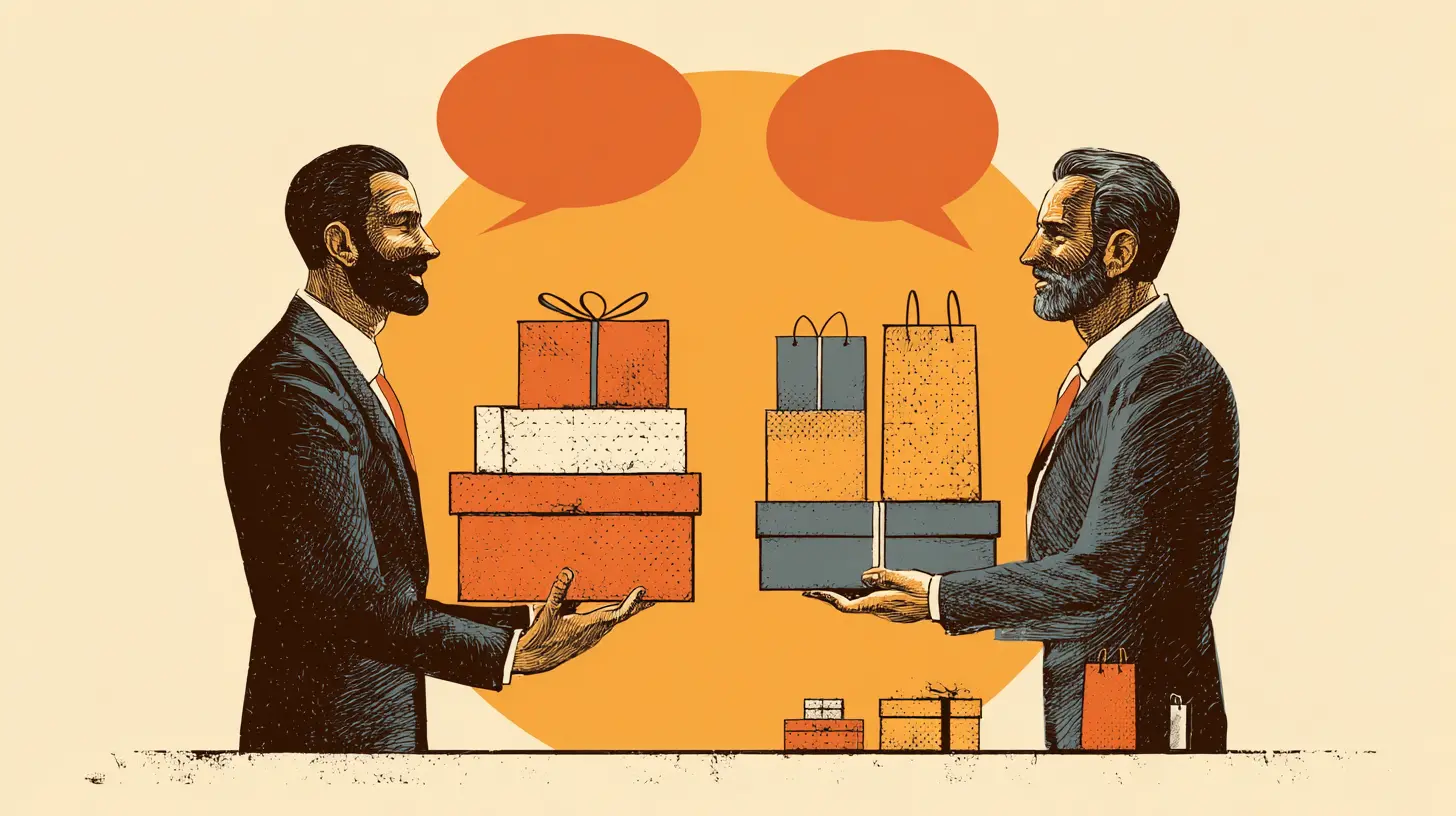
Why Is This a Big Deal in B2C?
In the world of B2C, you’re talking directly to end consumers—people like you and me. And people? We love convenience. We love value. We especially love when we feel like we've made a smart purchase.That’s where perfecting upselling and cross-selling can create a win-win situation. It helps the customer get more value from their purchase, and it boosts your average order value (AOV). That’s more dollars in your pocket without having to hunt down a brand-new customer.
The Psychology Behind Upselling and Cross-Selling
To truly master these strategies, you need to understand the psychology at play. It’s not just about making a sale—it’s about solving a problem, fulfilling a desire, or enhancing the buying experience.People Love Recommendations
Ever ask a waiter, “What’s good here?” and end up ordering what they suggested? That’s upselling in action. If customers trust your opinion and feel you have their best interest at heart, they’re far more likely to accept your suggestions.The Fear of Missing Out (FOMO)
Limited-time offers or bundle deals create urgency. Phrases like “Only 3 left in stock!” or “Get the bundle and save 20%!” trigger FOMO and encourage quicker decisions—and often bigger purchases.Anchoring Effect
This is when we base decisions on the first piece of information we receive. So if your product page first shows a premium option at $199 before showing the $129 option, the $129 seems like a bargain. You’ve anchored expectations higher. That works for upselling like a charm.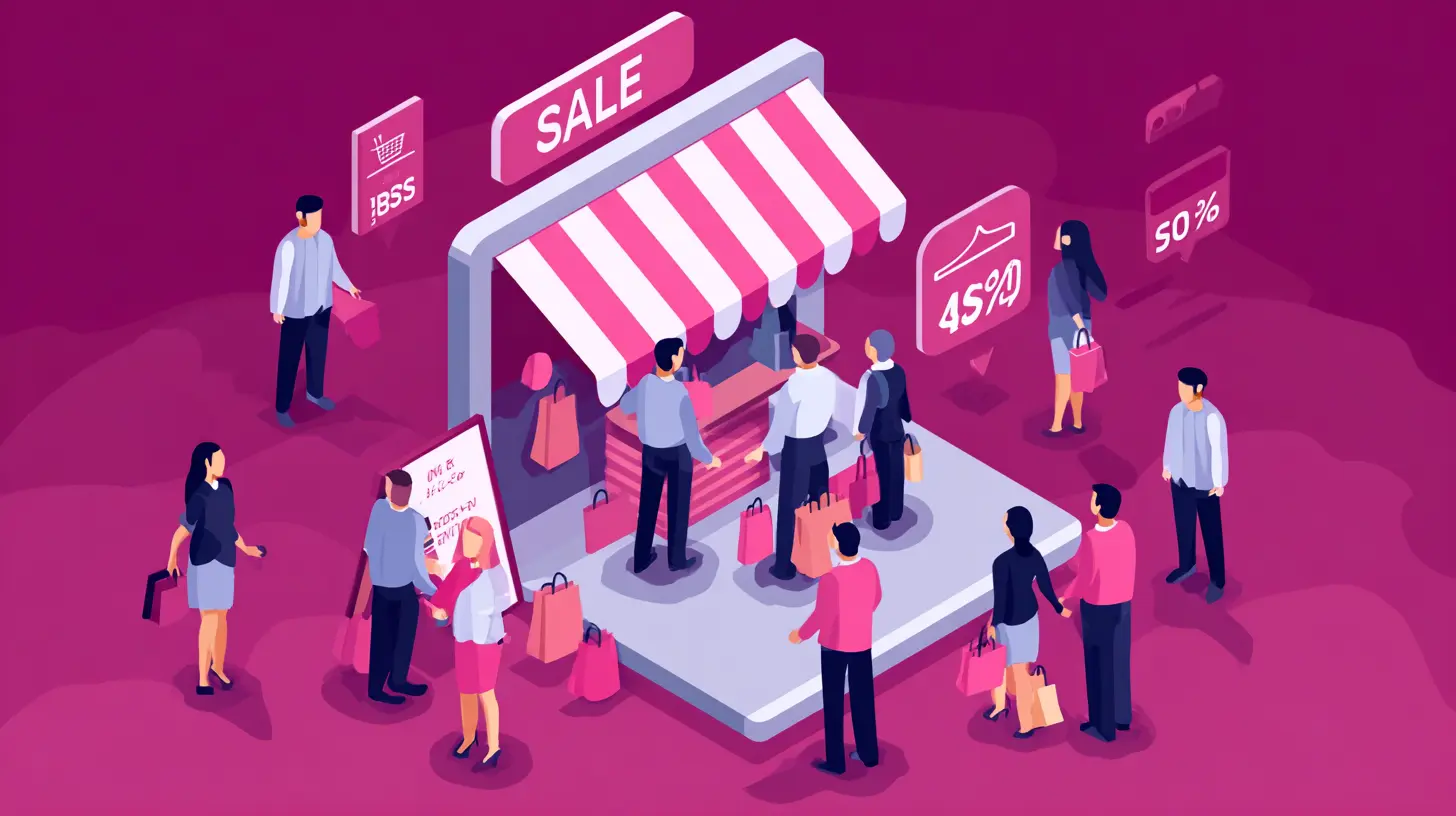
How to Upsell and Cross-Sell Without Annoying the Customer
Let’s be honest—nobody likes being sold to. Especially aggressively. So how do you gently nudge your customers toward spending a bit more without crossing the line into sleazy sales tactics?1. Know Your Customer
It all starts with understanding who you're talking to. Segment your customers based on their behavior, preferences, purchase history, and even browsing patterns. Personalized suggestions always outperform generic ones.2. Offer Genuine Value
Don’t just try to push the most expensive option. Position your upsell or cross-sell as a better fit for their needs. For example, if someone’s buying running shoes, recommending high-performance socks isn’t just a sales tactic—it’s a helpful suggestion they’ll appreciate later.3. Keep the Timing Right
Timing is everything. Upselling should happen when the buyer is already in decision mode—not too early, not too late. Cross-selling, on the other hand, should feel like a natural extension of what they’re already buying.Think about Amazon’s “Customers also bought” section. Subtle, timely, and often spot-on.
4. Use Clear, Concise Language
Avoid jargon. Just highlight the benefits and wrap it in simple words. Instead of saying, “Upgrade for enhanced functionality,” say, “Get faster performance and twice the storage.”5. Leverage Social Proof
“Over 1,000 customers upgraded to Pro—here’s why.” When people see others making the same choice, their confidence goes up. Reviews and testimonials are incredibly powerful here.Real-World Examples That Nail It
Let’s put theory into practice. Here are a few brands that are killing it when it comes to upselling and cross-selling.Apple
You’ve seen it. You go in for the iPhone, and suddenly you're thinking about AppleCare, AirPods, and maybe even bumping up your storage capacity. Apple never comes across as pushy—they craft an ecosystem of products you didn’t know you needed… until now.McDonald’s
“Would you like to make that a combo?” Classic upsell. “Do you want fries with that?” Cross-sell. Simple, effective, and now it’s part of everyday lingo.Spotify
Free plan users get subtle nudges to upgrade to Premium. No ads. Offline listening. High-quality audio. Spotify knows exactly what the pain points are—and how to turn them into reasons to upsell.Tools and Technologies That Help
Thankfully, you don’t need to rely on gut feeling alone. A bunch of tools out there make upselling and cross-selling much easier.AI and Machine Learning
Platforms like Shopify, BigCommerce, and Magento use AI to analyze behavior and make smart recommendations. These tools figure out what your customers are likely to buy—and when.Email Marketing Platforms
Tools like Klaviyo, Mailchimp, and ActiveCampaign allow you to create follow-up sequences that suggest related products based on past purchases. Perfect for cross-selling after the sale.On-Site Personalization
With tools like Optimizely or Dynamic Yield, you can personalize product pages, checkout flows, and even pop-ups. This way, the right upsell shows up at just the right moment.The Metrics That Matter
You can’t improve what you don’t measure. Keep an eye on these key performance indicators (KPIs):- Average Order Value (AOV): How much is each customer spending per transaction?
- Conversion Rate of Upsells/Cross-sells: How often do customers accept your offers?
- Customer Lifetime Value (CLTV): Are your offers increasing long-term value?
- Cart Abandonment Rates: Are your upsell tactics backfiring and driving people away?
Make ongoing tweaks based on what the data tells you.
Common Mistakes to Avoid
Even with the best intentions, things can go sideways. Here are a few pitfalls you’ll want to steer clear of.Being Too Aggressive
Nobody likes a hard sell. If your upsell takes over the entire checkout process, it’s doing more harm than good.Offering Irrelevant Suggestions
Recommending a kitchen blender when someone’s buying a laptop? That’s a no-go. Context is key.Overwhelming the Customer
Too many options can lead to decision paralysis. Keep it simple—1 upsell and 1 or 2 cross-sell suggestions max.Upselling and Cross-Selling in the Post-Purchase Stage
Think the sale ends once they hit "buy"? Think again. There’s gold to be mined in the post-purchase journey.Cross-Sell via Email
“Hey, since you bought [X], we thought you might love [Y].” These emails have high open and click-through rates because they feel personal and timely.Loyalty Programs
Use rewards or points to encourage customers to try more of your products. This not only supports cross-selling efforts but also boosts retention.The Long-Term Benefits
If you get this right, you’re not just getting more revenue—you’re building stronger relationships. Customers feel understood. They get more value. They come back.It’s the difference between being a one-time transaction and a brand they trust for the long haul.
You’re not just making a sale—you’re building a better shopping experience.
Final Thoughts
Upselling and cross-selling in B2C isn’t about tricking people into spending more money. It’s about guiding them to better choices they'll thank you for later. When done with care, empathy, and a little strategic finesse, these tactics don’t just pad your revenue—they elevate your brand.So, whether you’re running a boutique eCommerce store or a growing SaaS platform, now’s the time to master the art of upselling and cross-selling. Your customers (and your revenue reports) will thank you.
all images in this post were generated using AI tools
Category:
B2c MarketingAuthor:

Susanna Erickson
Discussion
rate this article
2 comments
Matteo Wilkerson
Upselling: because who doesn’t want a side of fries with that? Just remember, dessert first, then the sales pitch!" 🍰🍟
March 25, 2026 at 3:32 AM
Susanna Erickson
Absolutely! Upselling can enhance the customer experience when done right—just like dessert first, it’s all about making the offer irresistible! 🍰✨
Talia Stevens
Upselling and cross-selling are essential strategies for maximizing revenue in B2C. By understanding customer needs and offering tailored solutions, businesses can enhance customer satisfaction while significantly boosting their bottom line. Don’t overlook this powerful approach!
March 2, 2026 at 3:23 AM
Susanna Erickson
Thank you for highlighting the importance of upselling and cross-selling! Understanding customer needs truly is key to enhancing satisfaction and driving revenue. Your insights are much appreciated!