Supporting Neurodiverse Employees for a More Inclusive Workforce
31 May 2026
Let’s face it—workplaces are wonderfully diverse ecosystems. They’re filled with unique personalities, different working styles, and, yes, a wide variety of brains. But here’s the thing: not all brains work the same way. And that’s not just okay—it’s brilliant!
When we talk about neurodiversity, we’re talking about people who think, learn, and experience the world differently. This includes individuals with autism, ADHD, dyslexia, dyspraxia, Tourette syndrome, and other neurological differences. These differences aren’t flaws—they’re superpowers. And when businesses support neurodiverse employees, everyone wins.
So let’s dig into why supporting neurodiverse employees is essential, how it’s done, and what amazing things can happen when inclusion truly becomes part of the company culture.
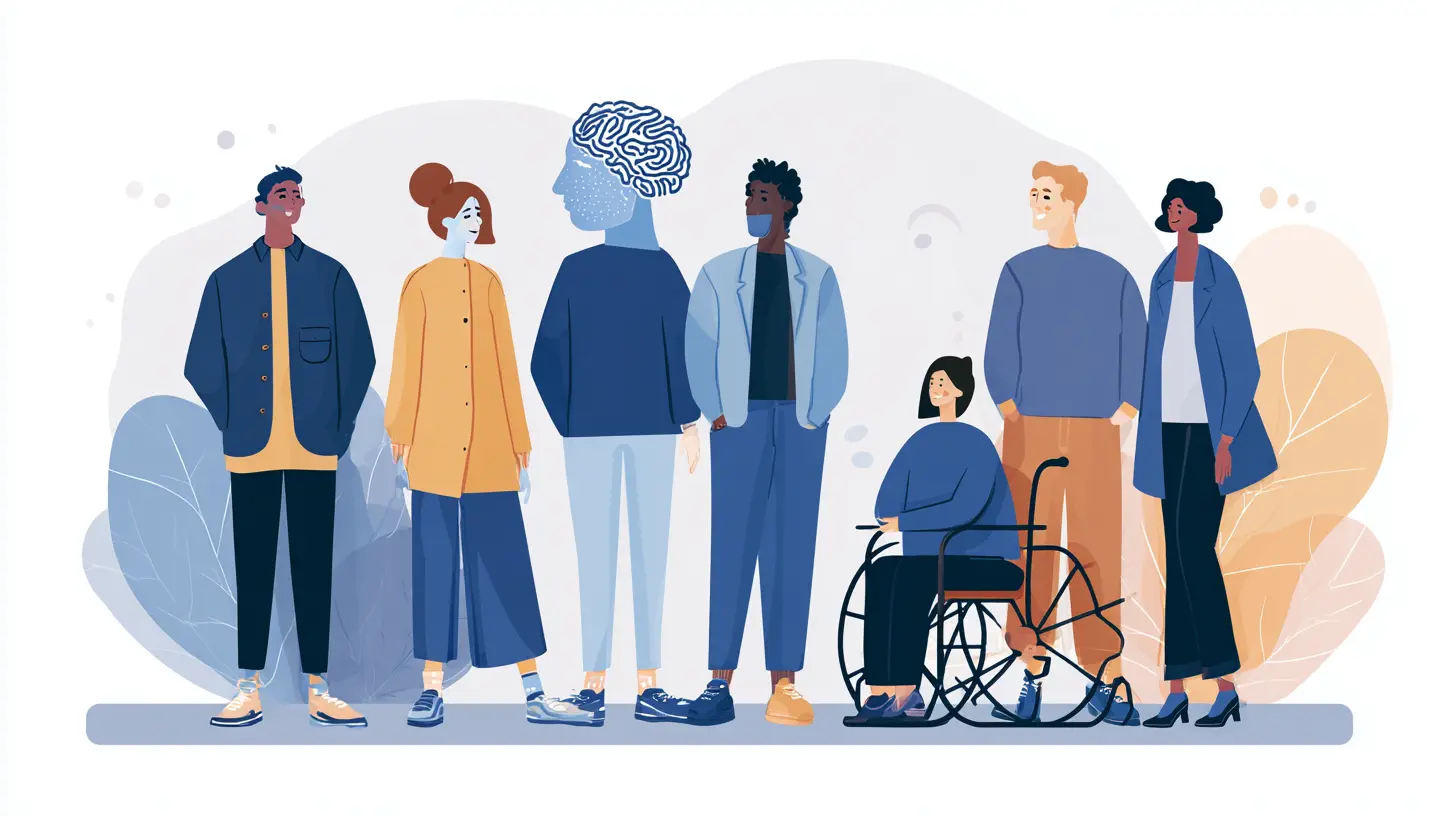
What Is Neurodiversity, Anyway?
First things first—what do we mean by “neurodiverse”?The term “neurodiversity” was coined in the late '90s and refers to the natural variation in how people’s brains work. Some folks think in patterns, some in words, some in pictures. There’s no one-size-fits-all brain, and that’s the magic of it.
Neurodivergent individuals might process information or interact with the world in ways that are different from what’s considered “typical,” but these differences often come with incredible strengths—like creativity, attention to detail, lateral thinking, and problem-solving brilliance.

Why Supporting Neurodiverse Employees Matters
Okay, so how does this affect your workplace?Think of it this way: imagine hiring a bunch of computers that all run the exact same software. Sounds efficient, right? But what happens when you need a different function? A fresh perspective? That’s where neurodiverse minds shine. They bring innovation, unique ideas, and often a deep focus on tasks others might overlook.
Yet sadly, many neurodivergent individuals face barriers in traditional workplaces—rigid hiring practices, environments that don’t accommodate sensory sensitivities, and a lack of understanding from colleagues and management.
The result? So much untapped potential.
But here’s the good news: when companies support neurodiverse employees, they unlock a goldmine of talent.
The Business Case for Neurodiversity
Companies like Microsoft, SAP, and IBM aren’t just supporting neurodiversity because it’s the right thing to do (although it absolutely is). They’re doing it because it delivers results.Here’s why investing in neurodivergent talent is smart business:
- Innovation & Creativity: Neurodiverse individuals often approach problems differently, leading to out-of-the-box solutions.
- Improved Productivity: When supported properly, neurodivergent employees thrive—sometimes outperforming their peers in tasks requiring accuracy and detail.
- Enhanced Company Culture: Inclusion increases employee satisfaction and retention across the board.
- Brand Reputation: Consumers and clients love companies that walk the talk when it comes to diversity and inclusion.
Still not convinced? Let’s talk numbers.
According to Deloitte, diverse teams are 80% more likely to achieve better business outcomes. And a Harvard Business Review study found that neurodiverse hires in large corporations often matched or outperformed neurotypical employees in innovation-related projects. Not too shabby, right?
Breaking Down Barriers: Challenges Neurodiverse Employees Face
Before we can support, we need to understand. Neurodivergent team members often encounter challenges in environments designed without them in mind.Here are a few common hurdles:
1. Rigid Hiring Processes
Many job applications are built around interviews that reward social confidence over skill or potential. Pretty unfair if you think about it! A candidate who struggles with facial expressions or small talk might be overlooked, even if they’re the best fit.2. Sensory Overload
Open office plans, bright lights, noisy co-workers—it can all be too much. For someone with sensory sensitivities, it feels like trying to focus in the middle of a concert. Not exactly ideal for productivity.3. Misunderstandings
Colleagues might misinterpret behaviors—like avoiding eye contact or needing routines—as rudeness or inflexibility, when really, it’s just part of who someone is.4. Lack of Flexibility
Rigid schedules or micromanaging can be especially stressful for neurodivergent individuals who might work best with flexible hours or in a quiet space.Top Ways to Support Neurodiverse Employees
Time to roll up our sleeves! Creating a neuroinclusive workplace doesn't require reinventing the wheel. It’s about small, thoughtful changes that make a big difference.1. Rethink Hiring
Let’s start at the beginning.- Alternative Interviews: Instead of asking questions about past experiences, give candidates a chance to show what they can do. Try project-based assessments or working trials.
- Clear Job Descriptions: Be specific. Vague buzzwords like “rockstar” or “team player” can be confusing. Describe the actual tasks involved.
- Communicate the Process: Provide candidates with clear expectations about the interview format, questions, and what to bring. Surprises aren’t always welcome.
2. Create Sensory-Friendly Workspaces
Nobody can do their best work when their environment is overwhelming.- Offer quiet zones or noise-canceling headphones.
- Allow for work-from-home options when possible.
- Use softer lighting or give employees control over their lighting setup.
3. Embrace Flexible Working
Flexibility is powerful.Many neurodivergent folks work better outside the traditional 9-5. Remote work, flexible hours, or even job-sharing arrangements can make a huge impact. Let’s focus on outcomes, not clock-punching.
4. Provide Clear Communication
Ambiguity is kryptonite for many neurodivergent minds.- Be direct and specific in emails or tasks.
- Use written communication to accompany verbal instructions.
- Break big projects into smaller, manageable steps.
5. Offer Training and Awareness
Educate your team!Provide neurodiversity training for managers and coworkers. Not just the “this is what autism is” stuff—but real, practical advice on how to collaborate, communicate with empathy, and celebrate differences.
6. Assign Mentors or Support Buddies
Starting a new job can be tough. Add in sensory overload or social anxiety, and it’s ten times harder.Having a mentor or workplace buddy can provide neurodiverse employees with someone to turn to for help, questions, or just a friendly chat.
7. Make Accommodations Normal
Accommodations aren’t special treatment—they’re basic support.Whether it’s speech-to-text software, extra breaks, or a custom desk setup, make it clear that asking for accommodations is standard practice, not a big deal.
Success Stories That Will Inspire You
Let’s sprinkle in some inspiration.At SAP, the Autism at Work program has reported increased innovation, greater employee engagement, and a stronger culture overall. One employee, hired through the program, completely revamped a key system that saved the company significant resources. All because he was allowed to work in a way that suited him.
Microsoft’s Neurodiversity Hiring Program has brought in brilliant coders and engineers who were previously overlooked in traditional hiring pipelines, showing that a little flexibility goes a long, long way.
These aren’t exceptions—they’re examples of what’s possible when we start seeing potential instead of focusing on differences.
Building a Culture That Celebrates ALL Brains
So how do we keep the momentum going?Creating an inclusive workforce isn’t a one-and-done project. It’s a cultural shift. It’s embedding respect and acceptance into everything your company does—from onboarding to leadership development.
Here’s how:
- Celebrate neurodiversity during awareness months, but also the other 11 months of the year.
- Include neurodivergent voices in decision-making and policy creation.
- Encourage open dialogue. Let employees share what works for them.
Remember, inclusion isn’t just a box to check—it’s a continuous journey toward becoming better humans and better businesses.
Let’s Create Workplaces Where Everyone Belongs
Supporting neurodiverse employees isn’t about charity or compliance. It’s about making space for brilliance to show up in all its forms.The shift toward neuroinclusivity doesn’t just benefit those it directly impacts—it lifts up the whole team. When we create workplaces where people can bring their full, authentic selves to work, we unlock new levels of innovation, collaboration, and success.
So, whether you're a manager, an HR pro, a CEO, or just someone who wants to make work a little more human—start the conversation. Ask questions. Listen. And above all, be willing to adapt.
Because when we support neurodiverse employees, we’re not just being inclusive—we’re being smart, compassionate, and future-ready.
Let’s build workplaces where all kinds of minds matter.
all images in this post were generated using AI tools
Category:
Diversity And InclusionAuthor:

Susanna Erickson
Discussion
rate this article
1 comments
Will McFarland
Creating an inclusive workplace for neurodiverse employees goes beyond policies. It requires genuine understanding and tailored support. By fostering an environment that values diverse thinking, organizations can unlock innovation and enhance collaboration, ultimately benefiting everyone involved.
June 24, 2026 at 11:32 AM
Susanna Erickson
Absolutely, true inclusion thrives on real understanding and support. It's all about recognizing and valuing diverse perspectives to drive innovation and collaboration.