Supporting Emotional and Psychological Safety in Diverse Teams
14 August 2026
Ever walked into a room where you instantly felt out of place? Like, you’ve just entered a party where everyone talks in a language you don’t understand? Now, imagine that room is your workplace. That’s how it can sometimes feel for people in diverse teams where emotional and psychological safety isn't prioritized. It’s unsettling, to say the least.
So, how do we fix this? How can we make sure every individual feels respected, included, and safe to be their authentic selves? In this post, I’m diving into the importance of building emotional and psychological safety in diverse teams—because trust me, it’s not just a “nice-to-have,” it’s a must-have. Buckle up because this will be equal parts enlightening and actionable.
What Does Emotional and Psychological Safety Even Mean?
Before we get any further, let’s clear the air: emotional and psychological safety isn’t some corporate buzzword cooked up by HR professionals. It’s a real thing.Imagine this: you’re in a team meeting, and you have an idea you’re super excited about. You start to share it, but halfway through, you notice eye-rolls or someone cuts you off. You immediately shut down, right? That’s what happens when there’s no psychological safety.
Psychological safety exists when team members feel comfortable enough to speak up, make mistakes, and be vulnerable without the fear of judgment, ridicule, or backlash. It’s that invisible force field that makes people feel “safe” emotionally and mentally. 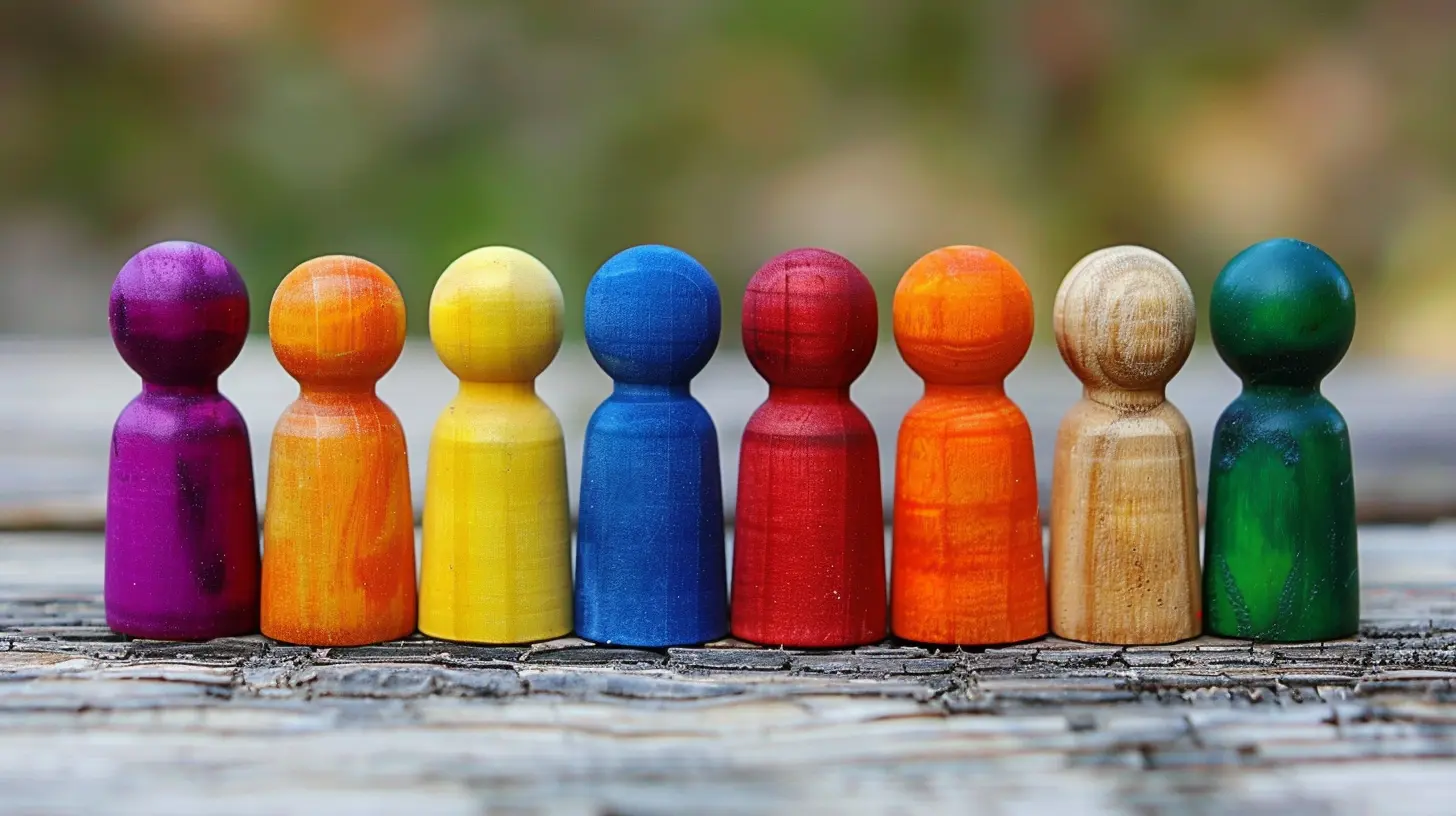
Why Is Psychological Safety So Vital for Diverse Teams?
Hold up—if we’re talking about all teams, why are we focusing on diverse teams specifically? Because diverse teams carry added layers of complexity.Think of teams as orchestras. A homogenous team is like playing a single instrument—it’s all in tune but can get monotonous. A diverse team, on the other hand, is like a symphony—beautiful, dynamic, and rich. But if one instrument feels out of sync or ignored, it can throw off the entire performance.
Diverse teams can include people from different cultures, gender identities, races, generations, sexual orientations, and even neurodiverse individuals. Because of these differences, misunderstandings and unconscious biases can creep in. This makes creating emotional and psychological safety not only essential but urgent. 
Breaking Down Psychological Safety into Actionable Steps
Alright, now that we understand what psychological safety is and why it’s a non-negotiable, let’s talk about how to build it—without drowning in corporate jargon.1. Start By Listening (No, Really Listening)
Listening is underrated. Like, how often do we listen to actually understand versus waiting for our turn to talk? For diverse teams, listening actively sends the message that their perspectives matter.- Use open-ended questions instead of making assumptions: “What do you think about this approach?”
- Paraphrase to show understanding: “So if I’m getting you right, you’re saying…”
- Don’t interrupt. Seriously. Let the person finish their thought.
Listening creates trust, and trust is the foundation of emotional safety.
2. Acknowledge Bias Without Getting Defensive
Here’s the deal: we all have biases. Yes, even you. Recognizing that is the first step to creating a safer environment. But here’s where it gets tricky—when someone points out a bias, don’t get defensive.Instead, try this:
- Pause. Take a deep breath.
- Reflect on the feedback without jumping to justify your behavior.
- Show gratitude for the courage it took for someone to speak up.
Simple, right? And yet, most of us mess up this step because we let our egos get in the way.
3. Foster Inclusive Communication
Ever been in a meeting where one person dominates the conversation like they’re auditioning for a TED Talk? Yeah, don’t let that happen. Inclusive communication ensures everyone gets a seat at the metaphorical table—and a chance to be heard.Practical tips:
- Rotate who leads meetings to give everyone a chance to shine.
- Set ground rules like “no interrupting” or “step up, step back.”
- Use technology tools like Slack or anonymous surveys to give quieter team members a voice.
4. Create a Culture of Encouragement, Not Perfection
Nobody—and I mean nobody—likes walking on eggshells at work. If people are too afraid to mess up, they’ll never innovate, experiment, or grow.Instead of a “What went wrong?” approach, try asking, “What did we learn from this?” Mistakes aren’t failures; they’re stepping stones (I know, cliché, but true).
When leaders model vulnerability—like admitting their own mistakes—it sends a powerful message to the team: It’s okay to be human.
5. Celebrate Differences, Don’t Just Tolerate Them
Let’s move past the whole “I don’t see color/gender/background” narrative. Pretending differences don’t exist doesn’t magically erase them. In fact, ignoring diversity can make people feel even more invisible.What can you do instead?
- Acknowledge and appreciate cultural holidays, traditions, or practices.
- Encourage employees to share their unique perspectives.
- Provide training on cultural competency (and please, skip the cringy, one-size-fits-all webinars).
6. Zero-Tolerance for Discrimination and Microaggressions
This one’s non-negotiable. If psychological safety is a house, microaggressions are termites—they’ll eat away at the foundation until everything collapses.A few examples of microaggressions:
- “Where are you really from?”
- “Wow, you’re so articulate for someone from [insert background].”
- Assuming someone’s role based on their gender or ethnicity.
Make it clear that discriminatory behavior, no matter how “small” it might seem, won’t fly under your leadership.
7. Invest in Training and Development
Here’s the truth: building emotional and psychological safety isn’t something you can check off a to-do list—it’s a long-term commitment. And sometimes, you’ll need outside help to get it right.There are phenomenal training programs out there that tackle unconscious bias, active listening, and team-building for diverse workforces. Yes, it requires resources, but think of it as an investment in your people—and in your company’s future. 
The Ripple Effects of Psychological Safety in Diverse Teams
When emotional and psychological safety exist within a team, it’s like flipping a switch. Suddenly, team members start collaborating like never before. They’re more engaged, innovative, and productive. They challenge each other respectfully and support one another fiercely.The results?
- Increased employee retention (because let’s be honest, nobody wants to leave a team where they feel valued).
- Improved creativity and problem-solving (because diverse perspectives can spark fresh ideas).
- A stronger organizational reputation (because word gets around when a company genuinely supports its employees).
Think of it this way: psychological safety is the soil where diverse teams can truly thrive. Without it, nothing really grows.
The Bottom Line: It Starts With YOU
Creating emotional and psychological safety isn’t just some leadership challenge—it’s a human one. Whether you’re a manager, a teammate, or just someone who cares about making the workplace a little better, you have the power to make a difference.And listen, this isn’t about getting it perfect every time. It’s about showing up, learning constantly, and becoming a better ally to those around you. So, ask yourself: How can YOU contribute to a safer, more inclusive team dynamic starting today?
The answer might surprise you.
all images in this post were generated using AI tools
Category:
Diversity And InclusionAuthor:

Susanna Erickson
Discussion
rate this article
2 comments
Anastasia Lewis
Creating a safe space for diverse teams is essential. Open dialogue fosters trust and enhances overall team performance.
August 22, 2026 at 11:19 AM
Susanna Erickson
I completely agree. Open dialogue is key to building trust and improving performance in diverse teams.
Chase Morris
Creating a safe space for diverse voices leads to stronger teams and fosters genuine collaboration and growth.
August 19, 2026 at 12:07 PM
Susanna Erickson
Absolutely, a safe space encourages everyone to share their unique perspectives, which is essential for teamwork and innovation.