Navigating the Generational Gap to Create Inclusive Work Environments
25 July 2026
The workplace, as we know it, is evolving faster than ever before. Whether you're leading a startup, managing a growing team, or part of a massive corporate culture, one thing is inevitable: you’re working alongside people from different generations. Baby Boomers, Gen X, Millennials, and Gen Z—each brings unique perspectives, values, and work styles to the table.
It sounds like a diversity jackpot, right? But in reality, this generational cocktail can lead to misunderstandings, miscommunication, and even conflict. So, how do you bridge the gap and turn your diverse workforce into an inclusive powerhouse? Let’s dive in.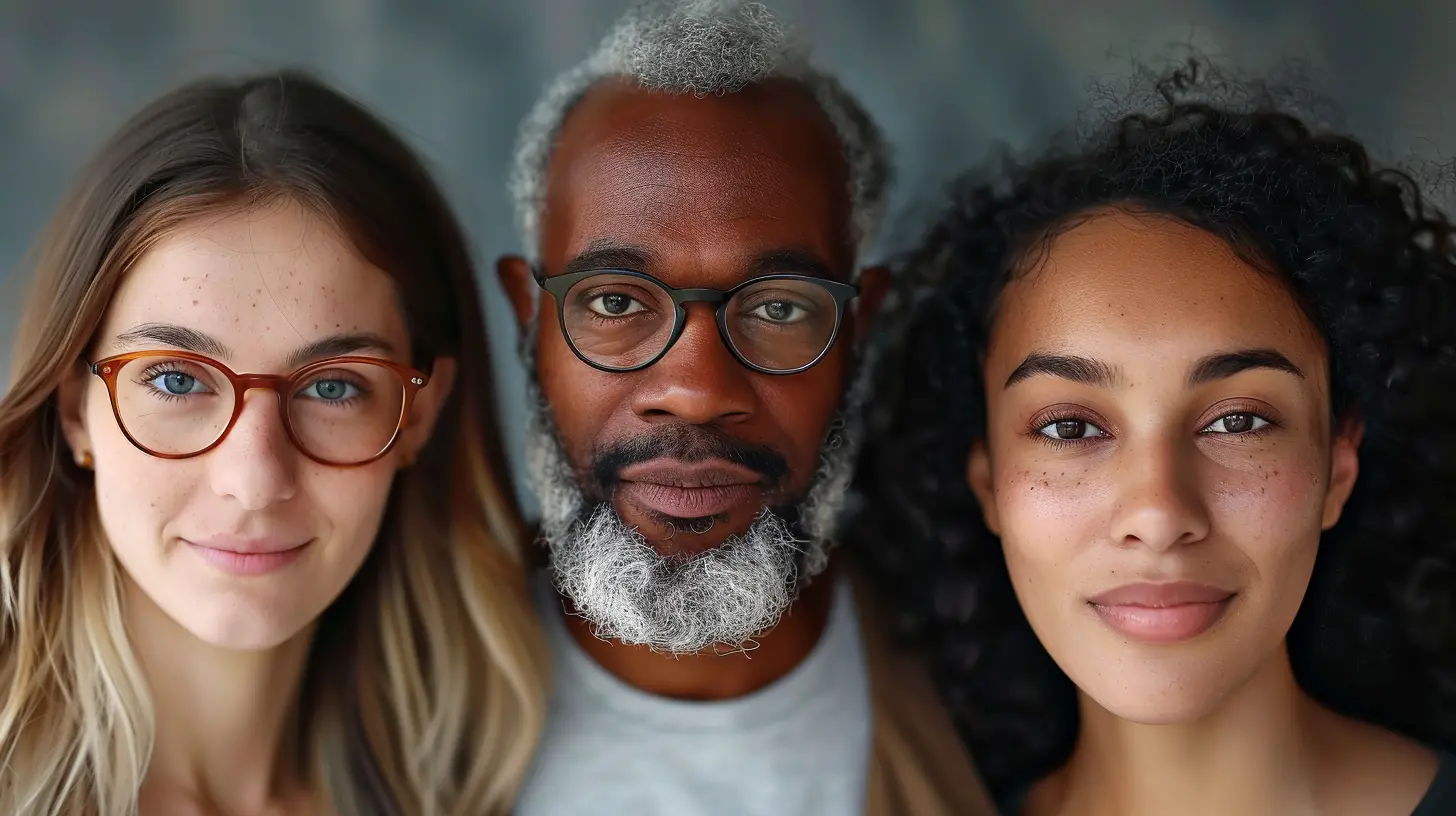
Why Does the Generational Gap Matter?
Generational differences aren’t new, but the stakes have never been higher. As global competition intensifies and workplace diversity becomes a priority, the ability to navigate generational gaps is no longer optional—it’s a business necessity.Think about it. How effective is your team if a Baby Boomer prefers structured meetings while a Gen Zer would rather hash out ideas over Slack? What if your Millennial employees prioritize flexibility, but your Gen X managers demand a strict 9-5? It’s like trying to mix oil and water unless you understand how to make it work.
Breaking Down the Generational Differences
Let’s put a face (or a vibe) to each generation so we understand what makes them tick. It’s not about stereotyping but about recognizing preferences and tendencies.1. Baby Boomers (Born 1946–1964)
Boomers are often defined by their strong work ethic. They grew up in an era where stability was king, and they’re loyal to organizations that value their dedication. They’re big fans of face-to-face communication and formal hierarchies.Key Traits: Hardworking, loyal, value hierarchy.
2. Generation X (Born 1965–1980)
Dubbed the "latchkey kids," Gen Xers grew up with independence. They value work-life balance and are often cynical about authority due to the economic downturns they’ve witnessed. They’re adaptable, pragmatic, and thrive on autonomy.Key Traits: Independent, resourceful, skeptical of micromanagement.
3. Millennials (Born 1981–1996)
Millennials came into the workplace during the tech boom. They’re digital natives who value collaboration and purpose-driven work. Flexibility matters to them, and they’re drawn to companies with strong values.Key Traits: Tech-savvy, team-oriented, value-driven.
4. Generation Z (Born 1997–2012)
The youngest of the bunch, Gen Z grew up surrounded by tech, social media, and global issues like climate change. They value inclusivity and remote work options. They’re also comfortable switching departments or even industries to find fulfillment.Key Traits: Inclusive, entrepreneurial, innovation-focused.
The Challenges of a Multigenerational Workplace
Let’s call it like it is—working alongside people from different generations can create friction. Misunderstandings happen. Here are some of the biggest challenges businesses face:1. Communication Styles
Boomers might prefer picking up the phone, while Millennials and Gen Z would rather shoot a text or DM. Gen X might email detailed reports, whereas younger employees send bullet points with emojis. These differing communication styles can lead to frustration and inefficiency.2. Workplace Values
What one generation values may not resonate with another. For instance, Boomers value loyalty and stability, while Millennials prioritize passion and purpose. If you’re managing both, you might feel like you’re playing referee.3. Technology Adoption
Ever heard someone sigh, “Can’t they just learn how to use it?” Tech-savvy Millennials and Gen Z might get impatient with older employees who are reluctant to adopt new tools or systems.4. Feedback Expectations
Millennials and Gen Z crave regular feedback—it’s like fuel for their professional growth. Meanwhile, Boomers and Gen X might see constant feedback as micromanaging. Striking the right balance is tricky but essential.
Bridging the Generational Gap: Inclusive Strategies That Actually Work
Creating an inclusive workplace doesn’t need to feel like solving a Rubik’s cube. Here’s how you can bring everyone together while respecting their unique qualities:1. Embrace Open Communication
First things first: let’s get everyone talking. Foster an environment where employees feel comfortable expressing themselves, regardless of their age. Create platforms for open communication—whether that’s team meetings, anonymous surveys, or employee forums.2. Leverage Cross-Generational Mentoring
Pair employees from different generations to learn from one another. For instance, a Baby Boomer can mentor a Gen Zer on leadership skills, while the Gen Zer can teach the Boomer about the latest technologies. It’s like cultural exchange in the workplace!3. Adopt Flexible Work Policies
You can’t apply a one-size-fits-all approach to workplace policies anymore. Give flexibility where possible, whether that’s remote work, adjustable hours, or role customization. It’s not about catering to one generation; it’s about creating options that suit everyone.4. Invest in Tech Training
Technology is here to stay, and everyone needs to get on board. Invest in training programs that help older employees feel confident with digital tools. It’s a win-win: they stay relevant, and the younger crowd avoids the frustration of doing double work.5. Tailor Your Feedback Culture
Want to manage feedback without stepping on toes? Strike a balance. Provide frequent, clear feedback for Millennials and Gen Z employees, but don’t forget to check in with Boomers and Gen X in ways that feel respectful and non-intrusive.6. Celebrate Diversity of Thought
Here’s the beauty of having a multigenerational workforce: different perspectives = better ideas. Create brainstorming sessions, innovation workshops, or roundtable discussions that allow everyone to contribute. Sometimes, the best ideas come from where you least expect them.Building a Culture of Empathy
At the heart of creating an inclusive workplace lies empathy. Understanding where someone’s coming from can dissolve tension faster than a team-building retreat. Encourage employees to see beyond generational stereotypes. They don’t have to agree with each other, but they do need to understand and respect each other.Benefits of an Inclusive Multigenerational Workplace
Now, let’s talk about the good stuff. When you successfully bridge generational gaps in your workplace, here’s what you stand to gain:- Higher Productivity: Diversity of thought leads to innovative problem-solving.
- Stronger Employee Retention: Employees feel valued and respected, so they’ll stick around.
- Improved Company Reputation: Inclusion isn’t just trendy—it’s good for business. Companies that embrace diversity are more appealing to customers and potential hires.
- Enhanced Learning Opportunities: Each generation has unique skills and knowledge to offer, creating endless opportunities for growth.
What Can You Start Doing Today?
Bridging the generational gap might sound like a long-term project, but small changes can create big ripples. Start by observing your team dynamics. Are certain voices overshadowed? Are communication methods clashing? Once you identify the pain points, tackle them one step at a time.Remember, leadership plays a massive role in making inclusion work. If leaders model respect, flexibility, and open-mindedness, employees will follow suit.
Final Thoughts
Navigating the generational gap isn’t about catering to one group or forcing everyone to operate the same way. It’s about acknowledging differences, leveraging strengths, and creating a culture of mutual respect. The goal isn’t perfect harmony—that’s unrealistic. But when everyone feels heard, valued, and empowered, you’re on the right track.So, the next time someone makes a joke about “kids these days” or “stuck-in-their-ways Boomers,” remind them: everyone brings something unique to the table. And when we work together, we can achieve incredible things.
all images in this post were generated using AI tools
Category:
Diversity And InclusionAuthor:

Susanna Erickson
Discussion
rate this article
1 comments
Arianth Lambert
Bridging the generational divide isn't just a nicety-it's essential for thriving workplaces. Embracing diverse perspectives fuels innovation and keeps businesses relevant. Let's stop tiptoeing around differences and start leveraging them. True inclusivity means recognizing the value each generation brings to the table. It's time to act boldly.
July 28, 2026 at 4:51 AM
Susanna Erickson
Absolutely, embracing generational diversity is crucial. It's all about leveraging those different perspectives for real innovation and progress. Let's make inclusivity a priority and act decisively.