Inclusive Marketing: Reaching Customers Through Diverse Representation
29 August 2026
Have you ever looked at a brand's ad and thought, "Wow, that speaks to me on such a personal level!"? Chances are, what you saw was an example of inclusive marketing done right. Inclusive marketing isn’t just a buzzword floating around in the business world—it’s a powerful tool to connect with audiences across all walks of life. But what does inclusive marketing actually mean, and why should businesses make it a priority?
In today’s world, customers expect more from brands than just products or services. They want to see themselves represented. They want to feel valued, respected, and, well…included. Let’s dive deep and unpack what inclusive marketing is all about and how it can help brands not only reach more people but build genuine connections.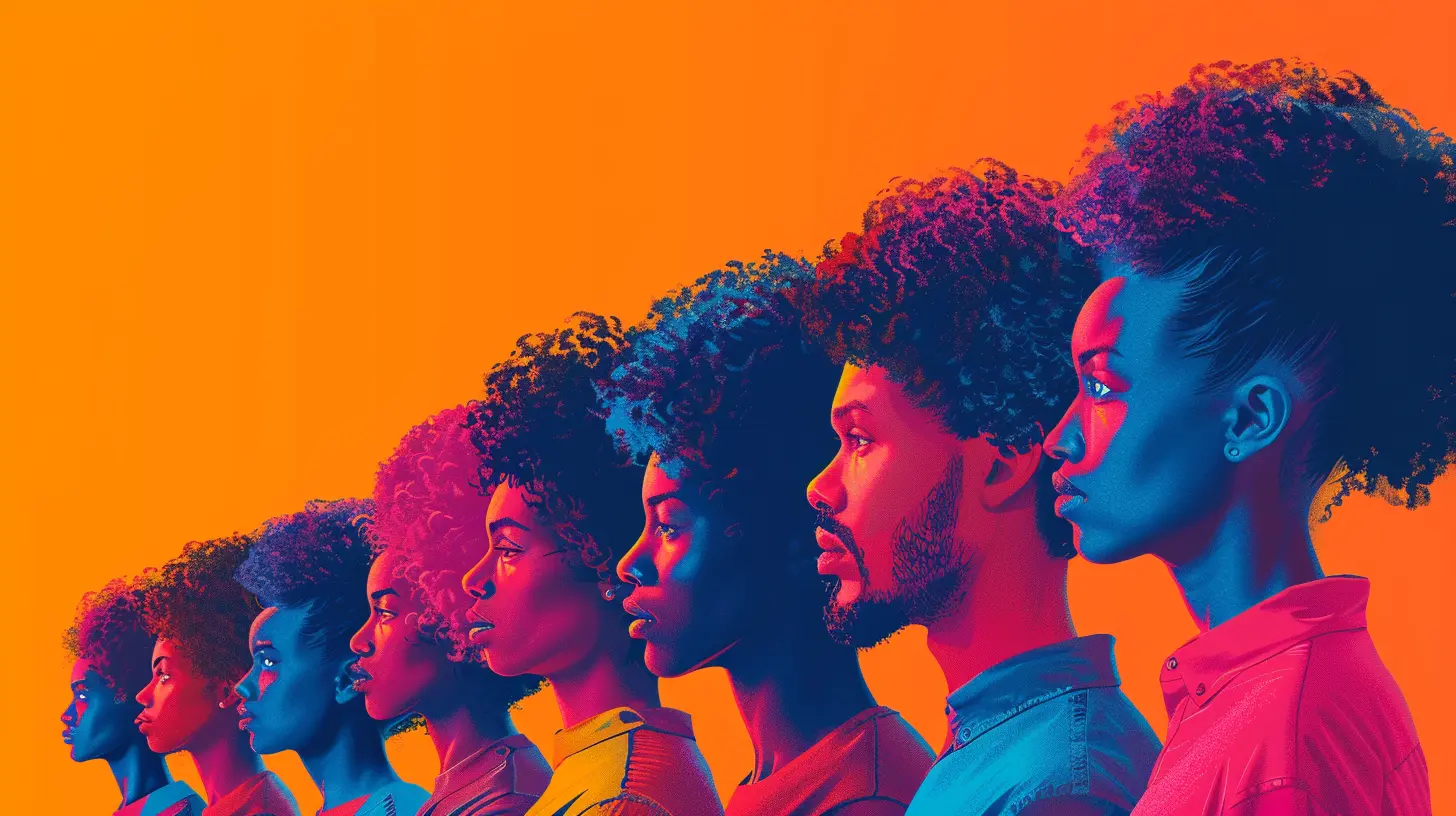
What is Inclusive Marketing?
Before we go any further, let’s break it down. Inclusive marketing is about creating campaigns, messaging, and branding that reflect the diversity of the real world. It’s about showcasing people of different races, genders, sexual orientations, ages, body types, abilities, religions, and cultures in your marketing efforts.Sounds simple, right? But here’s the kicker: it’s not just about checking boxes. It’s not a one-size-fits-all approach or a half-hearted attempt to look “woke.” True inclusive marketing goes beyond surface-level representation. It requires brands to genuinely understand, empathize with, and celebrate the differences that make us human.
Think about it—when you see someone like you in an ad, doesn’t it feel like the brand gets you? That’s the magic of inclusive marketing. It creates a stronger emotional connection, leading to higher customer loyalty and trust.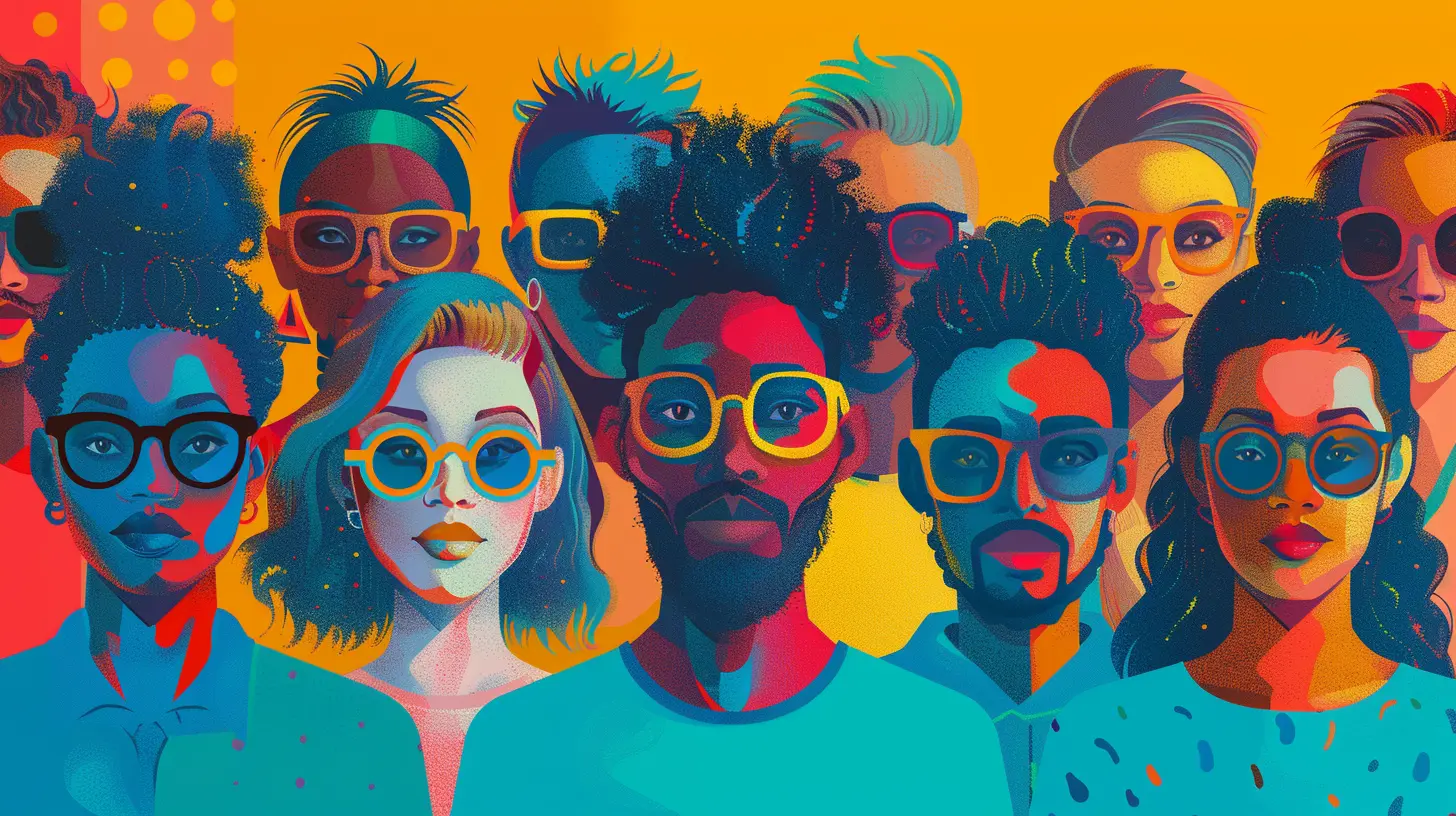
Why is Inclusive Marketing Important in 2023?
Let’s not sugarcoat it—today’s consumers are demanding. They’re savvy, vocal, and unafraid to call out brands that fall short. Here are a few reasons why inclusive marketing is more important than ever:1. The World is More Diverse Than Ever
The demographics of the global population are changing rapidly. For instance, Gen Z and millennials are the most diverse generations in history. And guess what? They’re the ones setting trends, influencing buying decisions, and holding brands accountable. If your marketing doesn’t reflect this diversity, you risk alienating a massive chunk of your audience.2. Representation Matters
There’s a simple truth here: people want to see themselves represented. It’s validating. Whether it’s a mother from a different culture or someone with a disability, seeing authentic representation in advertising can make people feel seen and heard. Brands that embrace diversity show they genuinely care about their customers—not just their wallets.3. It’s Good for Business
If the emotional connection angle didn’t sell you, here’s a fact: inclusive marketing can boost your bottom line. A Deloitte study found that 57% of consumers are more loyal to brands that commit to diversity. Moreover, people are willing to pay more for products from companies they believe are socially responsible.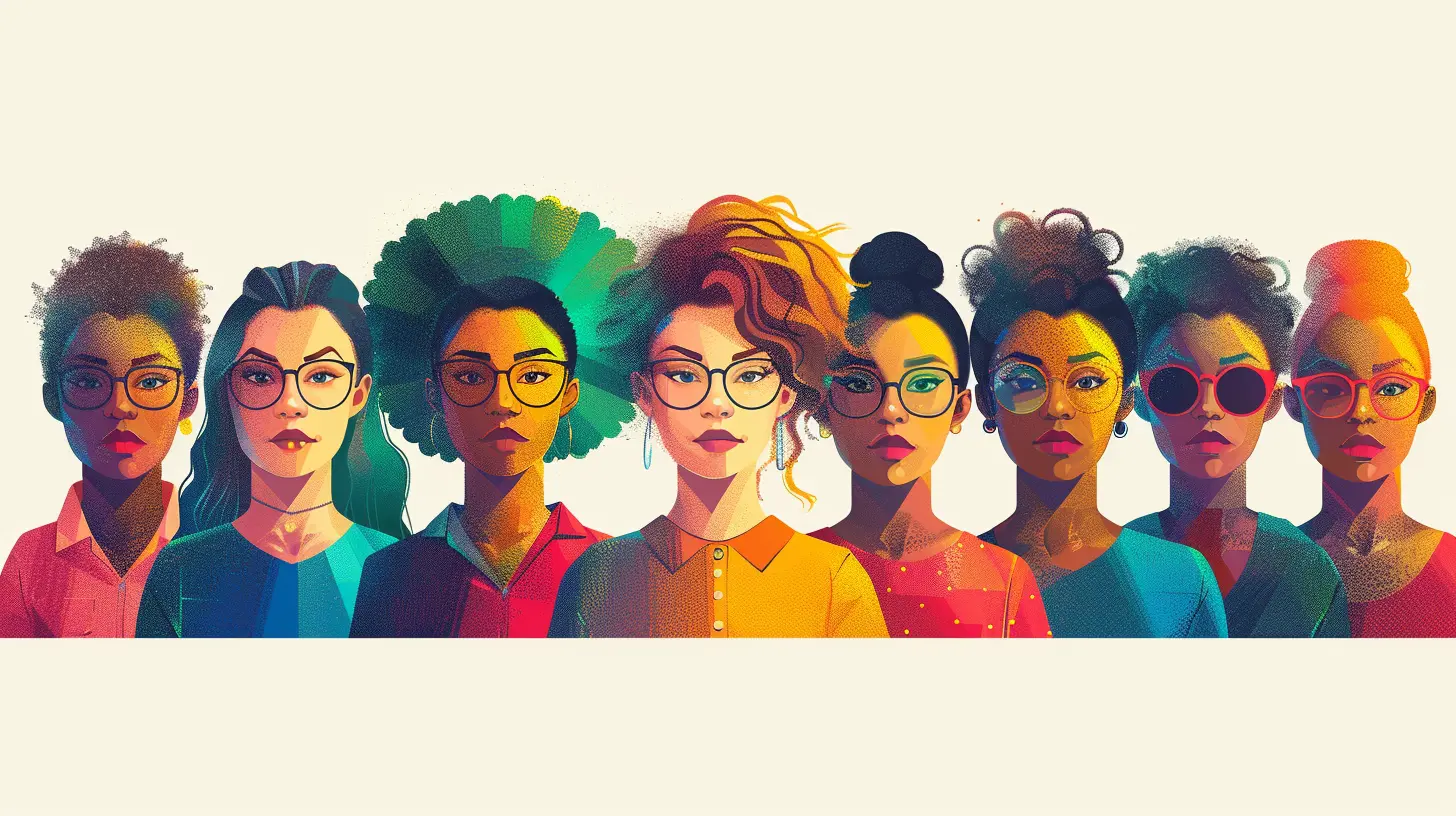
Common Mistakes Brands Make with Inclusive Marketing
Here’s the thing: while inclusive marketing has huge potential, not every attempt hits the mark. Sometimes, brands miss the memo entirely, and other times…well, they try too hard. Let’s talk about some common pitfalls.1. Tokenism
You’ve probably seen this before. A brand throws in a single person of color or a plus-size model to check the diversity box. But if the rest of their marketing is homogeneous, it screams inauthentic. Tokenism is the fastest way to turn customers off.2. Stereotyping
Ever seen an ad where all dads are portrayed as clueless about parenting, or older people look technologically illiterate? Yeah, not cool. Inclusive marketing isn’t about slapping stereotypes onto minority groups—it’s about showing them as real, multi-dimensional individuals.3. Performative Activism
Some brands only jump on the inclusivity bandwagon during certain months or holidays—think Pride Month or International Women’s Day—without actually walking the talk. Remember when a brand’s rainbow-colored logo disappears on July 1st? Actions speak louder than temporary gestures.
Tips for Nailing Inclusive Marketing
So, how can your brand avoid the pitfalls and truly embrace diversity? Let’s get practical.1. Do Your Homework
Start by learning about the communities you want to represent. Talk to them. Listen to their experiences. Understand their needs, nuances, and what matters most to them. Cultural intelligence is your secret weapon.2. Diversify Your Team
It’s hard to create inclusive content if everyone on your marketing team looks or thinks the same. A diverse team brings different perspectives to the table, helping you create campaigns that resonate with a broader audience.3. Make it Intersectional
People’s identities don’t exist in silos. For example, a woman can also be a person of color, someone with a disability, or part of the LGBTQ+ community. Inclusive marketing should reflect this intersectionality instead of focusing on one aspect of identity.4. Spotlight Real Stories
Instead of guessing what people want, let them tell their own stories. Celebrate authentic voices by featuring real customers, employees, or influencers in your campaigns. Think of it like sharing the spotlight, not hogging it.5. Mind Your Language
It’s not just about visuals; words matter too. Be mindful of the language in your copy. Avoid phrases or terms that might alienate or offend certain groups. Pro tip: Inclusive writing is just as crucial as inclusive imagery.6. It’s Not a One-Time Thing
Inclusivity isn’t a campaign—it’s a commitment. It should be baked into your brand’s DNA, not pulled out of storage during special occasions. Keep it consistent, authentic, and ongoing.Brands Leading the Way in Inclusive Marketing
Want some inspiration? Let’s take a quick look at a few brands that are doing inclusive marketing right:1. Fenty Beauty
When Rihanna launched Fenty Beauty, the message was clear: beauty is for everyone. With 50+ foundation shades catering to all skin tones, the brand became an instant game-changer in the cosmetics industry.2. Microsoft
Microsoft’s adaptive controller for Xbox allows people with disabilities to enjoy gaming. The heartwarming campaigns surrounding the product highlight that Microsoft isn’t just selling a product—they’re creating a more inclusive experience.3. Nike
Nike’s campaigns feature athletes from different backgrounds, body types, and abilities, breaking the stereotype of what an “athlete” should look like. Their "You Can’t Stop Us" campaign is a great example of how inclusivity can be both powerful and inspiring.Looking Ahead: The Future of Inclusive Marketing
So, where is this all headed? As we move into the future, inclusive marketing will only become more critical. But it won’t just be about representation; it’ll involve addressing systemic issues, standing up for marginalized communities, and being a force for positive change.Brands that embrace inclusivity will thrive because, at the end of the day, people don’t just buy products—they buy into values. And inclusivity? That’s a value everyone can get behind.
Final Thoughts
Inclusive marketing isn’t just about doing what’s trendy—it’s about doing what’s right. By embracing diversity in your campaigns, you’re not just reaching more customers; you’re building meaningful relationships. It’s about making every single person feel like they belong. And honestly, isn’t that what great marketing is all about?So, the next time you’re brainstorming your next campaign, ask yourself: Does this truly represent the diverse world we live in? If the answer is yes, you’re on the right track.
all images in this post were generated using AI tools
Category:
Diversity And InclusionAuthor:

Susanna Erickson
Discussion
rate this article
2 comments
Zarev Simon
Inclusive marketing not only reflects society's diversity but also strengthens brand loyalty and creates authentic connections.
September 19, 2026 at 3:24 AM
Lennox Acevedo
This article highlights the importance of diverse representation in marketing. By embracing inclusivity, brands can connect more meaningfully with their audiences and foster loyalty. It is a vital step toward understanding and meeting the needs of all customers.
September 9, 2026 at 3:01 AM
Susanna Erickson
Thanks for your thoughtful comment! I completely agree that diverse representation is key to building strong, meaningful connections with audiences. It really enhances brand loyalty and understanding.