How Urban Mobility Solutions Are Transforming Cities
3 November 2026
Cities have always been shaped by how people and goods move through them. The street grid of Manhattan, the tram rings of Vienna, the sprawling freeways of Los Angeles: each reflects a set of decisions about movement made decades ago. What is different now is the pace and intent behind those decisions. Urban mobility has moved from a background utility, something planners handled quietly, to one of the central battlegrounds of city strategy. Mayors campaign on it. Real estate values hinge on it. Public health departments track it. And a growing stack of technologies and business models, from electric scooters to on-demand shuttles to congestion pricing, is rewriting what a street is actually for.
This article looks at that shift with a practical eye. Not just what the solutions are, but why some work, when they fail, and what city leaders, operators, and investors should weigh before committing money and political capital. The goal is to help you reason about urban mobility the way a seasoned practitioner would: with attention to context, trade-offs, and the long game.
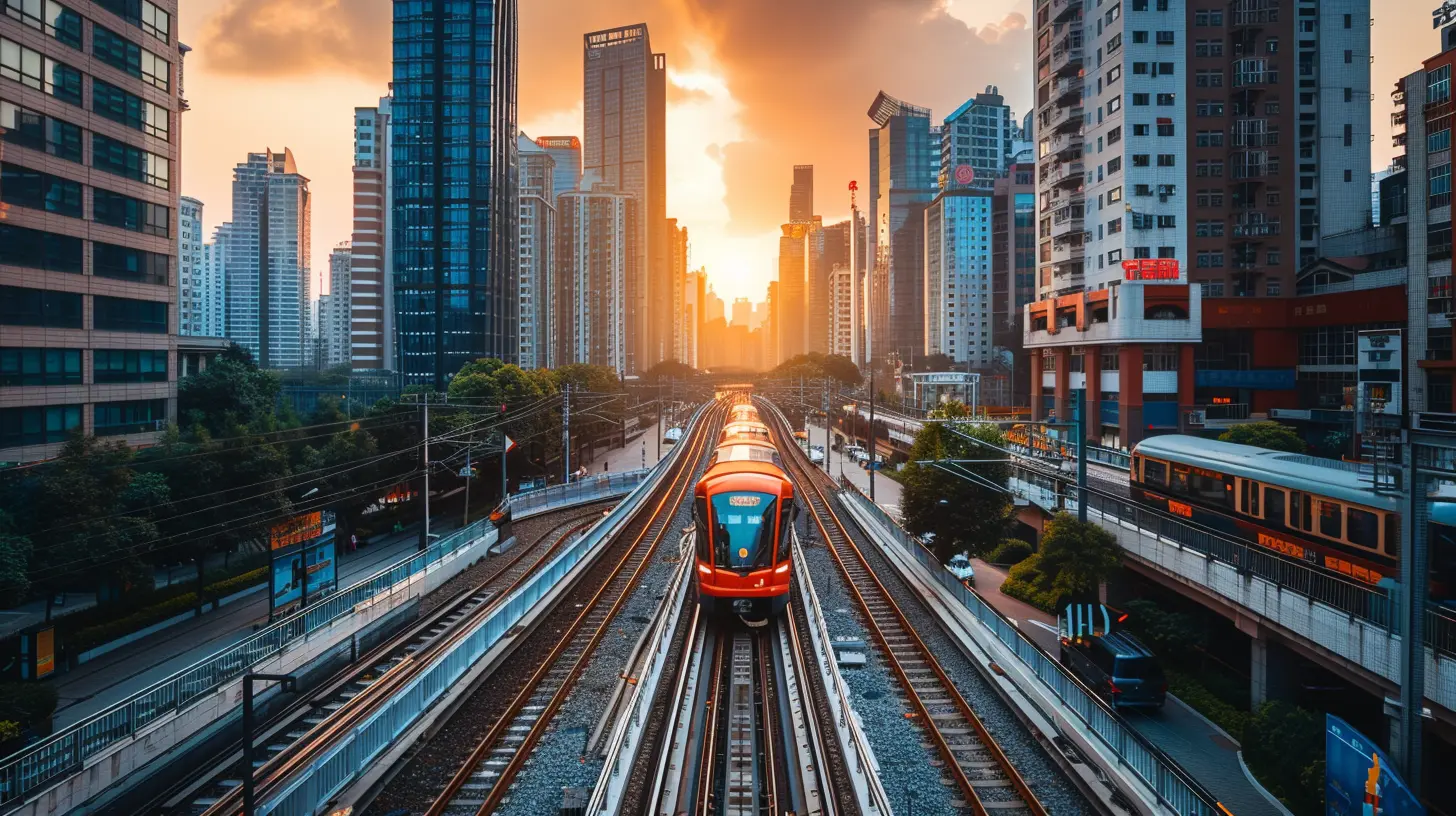
What Counts as an Urban Mobility Solution
The term gets used loosely, so it helps to draw boundaries. Urban mobility solutions generally fall into four overlapping categories:- Infrastructure and spatial design. Dedicated bus lanes, protected bike networks, pedestrian zones, curb management, and transit-oriented development. These are physical and regulatory changes that reshape how space is allocated.
- Service models. Public transit, bike share, scooter share, car share, ride hailing, microtransit, and on-demand shuttles. These are the ways people actually get from A to B.
- Technology layers. Real-time data platforms, fare integration, mobility-as-a-service apps, digital payment, and demand forecasting. These connect the other pieces and make them legible to users and operators.
- Policy instruments. Congestion charging, parking pricing, low-emission zones, subsidies, and zoning rules. These shape behavior through incentives and constraints.
The most effective transformations combine all four. A bike lane without a connected network does little. A scooter fleet without curb rules creates chaos. A pricing scheme without a credible transit alternative is politically unsustainable. That interdependence is the single most important thing to understand before evaluating any individual solution.

Why Cities Are Rethinking Movement Now
Several forces have converged. Urban populations continue to grow in many regions, but the space available for cars does not. Road expansion has a well-documented tendency to induce additional traffic, so adding lanes rarely delivers the congestion relief voters expect. Meanwhile, the climate case for shifting trips away from single-occupancy vehicles has become impossible to ignore, and public health research has sharpened awareness of air quality and the value of active travel.There is also a quieter shift: expectations. People who use ride hailing and real-time transit apps in one city carry those expectations everywhere. They want to know when the next bus arrives, pay with a tap, and combine modes without friction. Cities that cannot deliver that experience lose credibility with residents and businesses alike.
None of this means the car disappears. It means the car stops being the default and becomes one option among several, chosen when it genuinely fits.

The Core Solutions, Examined
Public Transit as the Backbone
No urban mobility strategy scales without strong public transit. Buses and rail move far more people per unit of street space than private cars, and they do so predictably. The interesting developments are less about exotic technology and more about operational discipline.Bus rapid transit, for example, works because it borrows the best features of rail, dedicated lanes, level boarding, off-board fare payment, and signal priority, at a fraction of the cost. Cities like Bogota and Istanbul demonstrated decades ago that a well-designed bus corridor can move hundreds of thousands of people daily. The lesson is not that buses are better than trains. It is that the design of the corridor matters more than the mode.
The common mistake is treating transit investment as a construction project rather than a service commitment. A new line that runs every twenty minutes and stops at 8 p.m. will underperform no matter how beautiful the stations are. Frequency and reliability drive ridership more than almost anything else, and they are cheaper to fix than most politicians realize.
Micromobility: Useful, Fragile, and Misunderstood
Bike share and scooter share filled a real gap: the first and last mile. A trip too long to walk and too short to justify a car or a bus transfer. When docked systems are well placed and integrated with transit, they reliably increase transit ridership by widening the catchment area of each station.Scooters are a different animal. Their appeal is obvious, but so are the problems: sidewalk clutter, safety concerns, short vehicle lifespans, and unit economics that have crushed several operators. The cities that handle micromobility well tend to do three things. They define where devices can be parked and ridden. They cap fleet sizes and require operators to share data. And they enforce performance through permits rather than banning the category outright.
A useful rule of thumb: micromobility works best where trips are short, weather is tolerable, and cycling infrastructure exists. It struggles where distances are long, hills are steep, or riders feel unsafe. Before inviting operators in, a city should ask whether it has actually built the conditions for success, not just the appetite for a press release.
Ride Hailing and the Congestion Question
Ride hailing changed expectations about convenience, but its effect on congestion is more complicated than headlines suggest. In dense cores, it can pull trips off transit and add vehicle miles. In suburbs and at night, it can fill gaps that transit never served well. The outcome depends heavily on policy: curbside pricing, pickup zone design, pooled ride incentives, and whether the service complements or cannibalizes transit.The mature view is that ride hailing is infrastructure-adjacent, not infrastructure-replacing. Cities that treat it as a partner in first and last mile connections, while pricing its external costs honestly, tend to get better results than cities that either embrace it uncritically or try to legislate it out of existence.
Microtransit and On-Demand Public Transport
On-demand shuttles promise to make low-density service viable by replacing fixed routes with flexible ones. The results are mixed and instructive. Where agencies use microtransit to serve areas that fixed routes serve poorly, and where they manage costs tightly, it can work. Where it is used to paper over a thin transit network, it usually fails on cost per rider.The key insight is that microtransit is a tool for a specific job: low-volume, dispersed demand. It is not a cheaper version of a bus. Agencies that understand this distinction design better pilots and avoid the political damage of a failed launch.
Curb Management: The Quiet Lever
Most cities have no real inventory of their curb space, which is remarkable given how valuable it is. Delivery vehicles, buses, bikes, scooters, taxis, and pedestrians all compete for the same few meters. Digital curb management, pricing, and clear loading zones can reduce double parking, speed up buses, and cut emissions from vehicles circling for space.This is unglamorous work, but it is often the highest-return mobility investment a city can make. It costs little, requires no construction, and produces visible improvements within months.
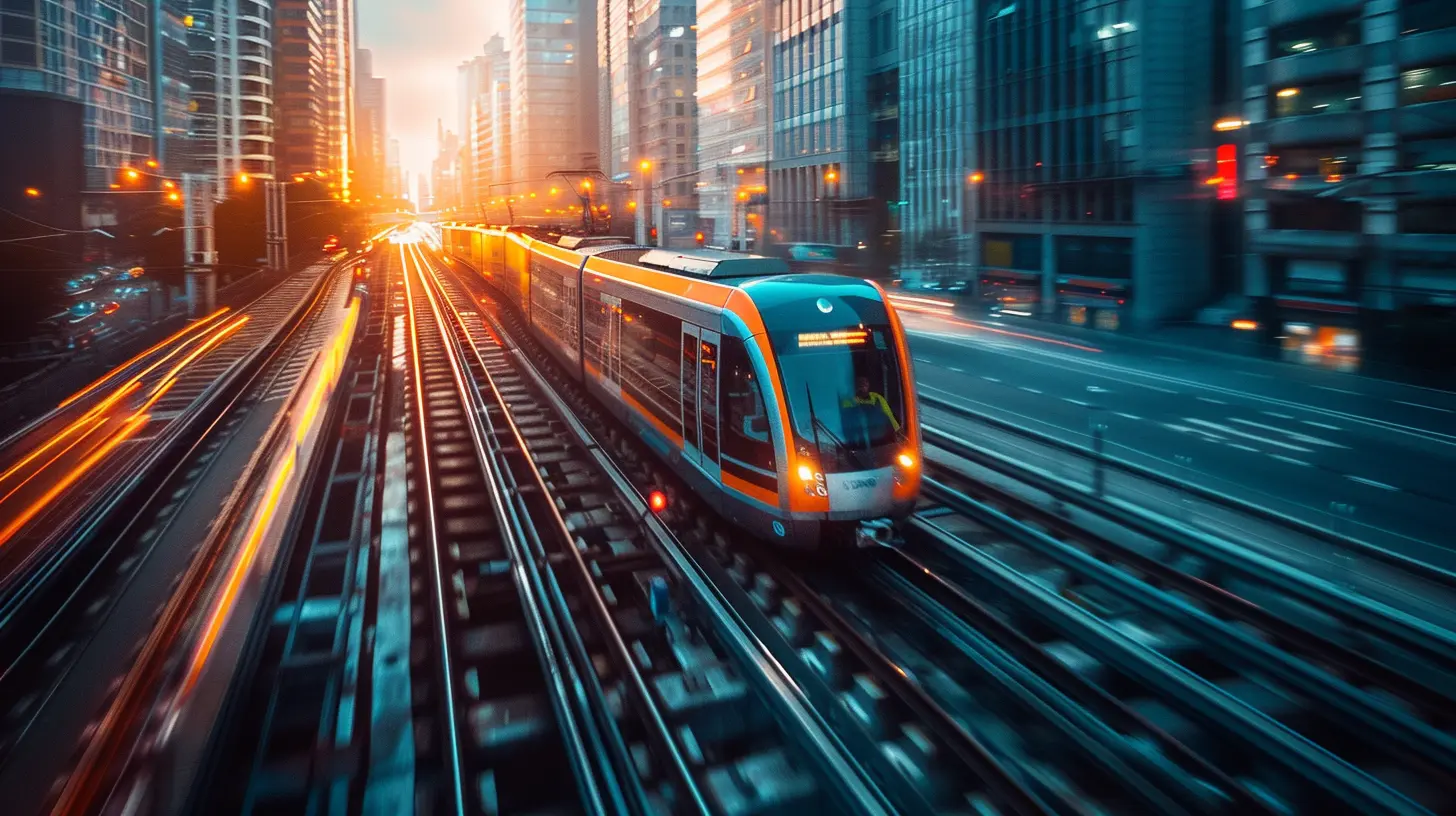
Technology as an Enabler, Not a Strategy
Mobility-as-a-service platforms, integrated fare systems, and open data standards are genuinely valuable. They reduce friction, help people combine modes, and give planners the evidence they need to make decisions. But technology cannot substitute for service quality. An elegant app that shows a bus arriving in twenty-five minutes does not fix the twenty-five minutes.The best practice is to invest in the data layer early, adopt open standards, and require operators to share trip data as a condition of operating. That data becomes the foundation for pricing, planning, and accountability. Cities that skip this step find themselves negotiating blind.
Trade-offs That Decide Outcomes
Every mobility decision involves trade-offs, and pretending otherwise leads to bad policy.Space versus speed. Reallocating road space to buses, bikes, or pedestrians slows cars but moves more people. The question is not whether this is true but whether the political system can absorb the transition period.
Equity versus efficiency. Pricing instruments like congestion charges are efficient but regressive unless revenue is reinvested in alternatives for low-income residents. The design of the reinvestment matters as much as the charge itself.
Innovation versus stability. New services generate excitement and press, but cities depend on durable infrastructure. A pilot that ends after eighteen months can leave riders worse off than no pilot at all.
Privacy versus insight. Trip data improves planning but raises legitimate surveillance concerns. Aggregation and transparency are not optional extras; they are conditions for public trust.
Common Mistakes and Misconceptions
A few patterns recur often enough to name.- Assuming a new mode will reduce congestion on its own. Induced demand and mode shift interact in ways that require active management.
- Launching pilots without success criteria. Without defined metrics and an exit plan, pilots become permanent and unaccountable.
- Treating micromobility as a branding exercise. Permits, parking rules, and enforcement are what make shared devices work.
- Ignoring the curb. Most congestion and safety problems concentrate at the curb, and most cities do not manage it.
- Overinvesting in apps and underinvesting in frequency. Riders care about reliability more than interface polish.
- Skipping community engagement. Projects that ignore local concerns about parking, deliveries, and accessibility tend to stall or get reversed.
What Good Practice Looks Like
Cities that are transforming successfully tend to share a set of habits. They set clear goals, such as reducing single-occupancy vehicle trips or cutting transport emissions, and they measure against them publicly. They sequence investments so that alternatives exist before restrictions bite. They price external costs honestly and reinvest the revenue visibly. They require data sharing from operators. And they communicate in plain terms about what is changing and why.Perhaps most importantly, they treat mobility as a system. A bus lane, a bike network, a curb rule, and a fare policy are not separate projects. They are parts of one machine, and the machine only works when the parts fit.
Conclusion
Urban mobility is not being transformed by any single technology. It is being transformed by a change in how cities think: from moving vehicles to moving people, from building capacity to managing demand, from isolated projects to integrated systems. The solutions are mostly known. What separates cities that succeed is discipline, sequencing, and a willingness to make trade-offs openly.For anyone making decisions in this space, whether in government, a mobility company, or an investment role, the practical takeaway is to start with the problem rather than the product. Ask what trip is being served, who is being left out, what the street can physically accommodate, and how success will be measured. Get those answers right, and the technology choices become much easier.
all images in this post were generated using AI tools
Category:
Industry AnalysisAuthor:

Susanna Erickson