How Traditional Industries Are Fighting Back Against Disruptors
10 April 2026
In the fast-paced world of business, it feels like every other week a flashy new startup is shaking things up. Whether it’s a new app, a subscription box, or some AI-powered wizardry, traditional industries are feeling the heat. But guess what? They’re not going down without a fight. In fact, many of these old-school giants are not just surviving — they’re thriving in the face of disruption.
So, how are they doing it? Let’s dive into how traditional industries are fighting back against disruptors with grit, innovation, and a whole lot of strategy.
The Rise of Disruptors: What Are We Even Talking About?
Before we talk about the fightback, let’s make sure we’re on the same page. What exactly is a disruptor?A disruptor is typically a new business or technology that changes the way an industry works. Think Uber in transportation, Airbnb in hospitality, or Netflix in entertainment. They usually offer cheaper, faster, or easier alternatives to what’s already out there — and they often send the big guys scrambling to respond.
Disruptors play by different rules. They’re digital-native, agile, often customer-obsessed, and ready to break the mold. Meanwhile, traditional industries — many of which have been around for decades or even centuries — have a lot more inertia to overcome.
But here’s where it gets interesting.
Traditional Industries: Old Dogs, New Tricks
Think traditional industries are too bulky to adapt? Think again.These companies may have legacy systems, deep hierarchies, and a “we’ve always done it this way” culture, but they also have something disruptors dream about — resources. Money, infrastructure, talent, and decades of brand trust are serious weapons in their arsenal.
Let’s look at how they’re using them.
1. Embracing Digital Transformation
You’ve probably heard this buzzword before, but digital transformation is more than a fancy way to say “get online.” It’s about completely rethinking how a company operates using digital tools.Take banks, for example. Fintech startups like Chime, Venmo, and Robinhood gave the banking industry a good shake. In response, traditional banks didn’t just slap together mobile apps — they overhauled their customer service models, invested in cybersecurity, and started partnering with tech companies.
Even JPMorgan Chase, a banking behemoth, has poured billions into tech. They’ve hired thousands of developers, launched digital branches, and even created AI-powered investment tools.
The same goes for insurance companies, car manufacturers, and media companies. If you’re not digital, you’re basically invisible.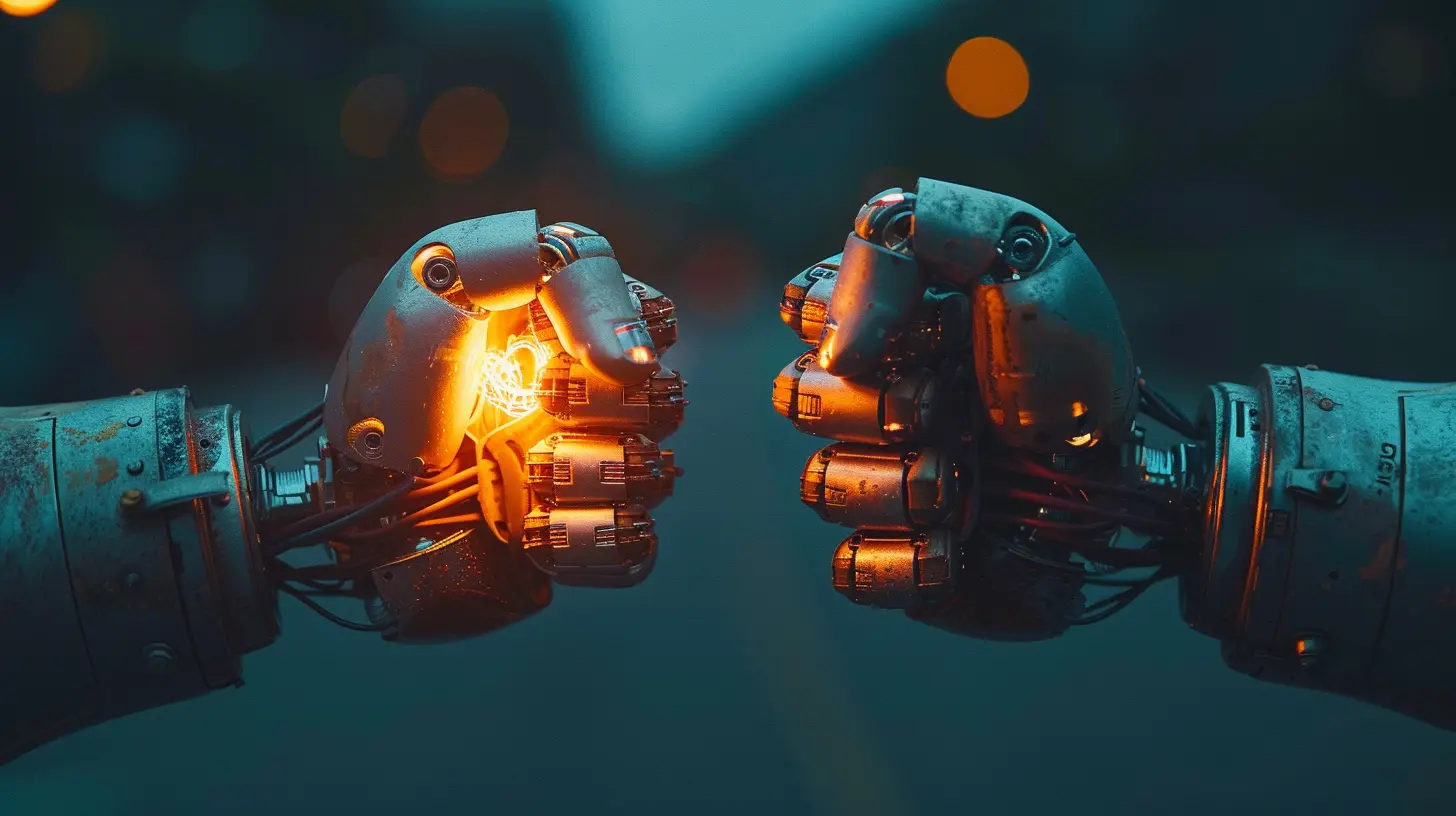
2. Leveraging Brand Trust
Trust doesn’t grow on trees. Traditional brands have spent years — sometimes generations — building reputations. That kind of loyalty doesn’t disappear overnight.When Airbnb gained traction, hotel chains like Marriott and Hilton didn’t just panic. They leaned into what they do best — hospitality. They emphasized safety, cleanliness, professional service, and loyalty programs — things that weren’t Airbnb’s strong suit early on.
Plus, they started launching boutique brands that mimic the local, personal feel of Airbnb stays, combining the "cool" factor with reliability.
Bottom line? Consumers may try the new kid on the block, but there's comfort in the familiar — especially when things go wrong.
3. Innovating from Within
Some traditional companies are setting up internal innovation labs. These are like mini startups within the company where teams are free to experiment, prototype, and even fail — without the fear of corporate red tape.Ford did this with its Smart Mobility division, aiming to think beyond the car and into the future of mobility — ride-sharing, e-bikes, self-driving tech.
Retailers like Walmart have been quietly investing in tech long before Amazon became a full-blown threat. Walmart Labs spearheaded mobile app development, AI for supply chains, and self-checkout innovations.
When you combine entrepreneurial thinking with deep pockets and global reach, magic happens.
4. Collaborating with Startups
Here’s a twist: instead of fighting the disruptors, what if you partnered with them?That’s exactly what many traditional businesses are doing. Airlines partner with tech startups for personalized travel experiences. Car companies collaborate with electric vehicle innovators. Even old-school grocery chains team up with delivery apps and AI forecasting tools.
By joining forces, these legacy companies get access to cutting-edge ideas without starting from scratch. And in return, startups get scale and credibility. It’s a win-win.
5. Rewriting the Customer Experience
One area where disruptors shine is customer experience. They make things fast, personal, and painless. Traditional industries are now realizing they’ve got to catch up — and fast.Let’s look at healthcare. For years, making an appointment or paying a bill felt like stepping back in time. Then along came telemedicine startups that made seeing a doctor as easy as ordering pizza.
But now, many traditional healthcare providers are revamping their patient portals, offering mobile scheduling, and even experimenting with remote diagnostics. It’s like the whole industry is finally listening to what patients actually want.
The same goes for finance, logistics, and even construction. The user experience is no longer an afterthought — it’s a key battleground.
6. Investing in Data and AI
Data is the new oil, right? And AI is the refinery.Traditional industries are jumping on the data bandwagon big time. Think about how airlines use data now — not just to sell tickets, but to predict maintenance needs, customize offers, and reroute during delays.
Retailers use AI to understand shopping habits. Insurance companies use it to spot fraud or calculate personalized premiums. Even agriculture is getting a high-tech upgrade with predictive analytics and smart farming.
By combining the wisdom of decades with the power of AI, these companies can outmaneuver even the scrappiest startup.
7. Going Green and Getting Social
Disruptors often come with a side of social mission — whether it’s sustainability, diversity, or ethical sourcing. Traditional industries are picking up on this fast.You’ve got big oil companies investing in renewable energy, fast fashion brands shifting to eco-lines, and food companies cutting plastic waste.
Because let’s face it — consumers care. Especially younger ones. If you want to stay relevant, you’ve got to care too.
Legacy brands are also being more transparent, joining social causes, and making real efforts to minimize environmental impact. It’s not just about image; it’s about staying competitive.
8. Playing the Long Game
Here’s something traditional industries have that many disruptors lack: patience.Startups are often under pressure to grow fast or die trying. But traditional companies can play the long game. They can afford to experiment, take small bets, or wait for new markets to mature.
This long-term view lets them make smarter decisions — and avoid burning out before hitting profitability.
Think about how Blockbuster rushed to compete with Netflix by launching Blockbuster Online — but with no clear strategy. Now think about how Disney waited, then launched Disney+ with a massive content library and instant global reach. That’s the power of patience and planning.
Case Study Time: A Few Winning Examples
Let’s run through a few quick success stories that show how traditional industries are pushing back:- Disney vs. Netflix: Disney embraced streaming with a vengeance. They didn’t just copy Netflix; they brought their own unique IP (Marvel, Pixar, Star Wars). Within a year, they had over 100 million subscribers.
- Walmart vs. Amazon: Walmart leaned into its physical store network, using them as distribution centers for online orders. With same-day pickup, pricing, and digital innovation, it’s holding its own.
- General Motors & EVs: GM didn’t laugh at Tesla for too long. Now they're seriously investing in electric vehicles and even plan to go all-electric by 2035.
- McDonald’s Tech Makeover: Fast food is getting a techie glow-up. McDonald's invested in AI for drive-thrus, digital kiosks, and delivery partnerships. Goodbye long lines, hello convenience.
Each of these giants took a different approach, but the message is clear: adapt or be left behind.
What's Next? The Future of Business is Hybrid
As the dust begins to settle, it looks like the future won’t be ruled by either disruptors or traditional companies alone. Instead, we’ll see a hybrid world — where old meets new, analog blends with digital, and experience sits comfortably next to innovation.Traditional industries aren’t just learning how to survive disruption. They’re learning to harness it.
They’re proving that you don’t have to be first to win — you just have to be smart and responsive. With the right mindset, even the oldest dogs can learn the newest tricks.
Final Thoughts
Let’s be real. Disruption isn’t going anywhere. The next wave of startups is already eyeing industries like education, real estate, and healthcare. But now, traditional companies are no longer deer caught in the headlights.They’re building shields, sharpening their swords, and sometimes even dancing with their disruptors.
So whether you’re leading a legacy brand or just watching the battle unfold from the sidelines, remember this: the story of business isn't about who’s older or newer — it’s about who adapts best.
And that’s a story that’s just getting started.
all images in this post were generated using AI tools
Category:
Industry DisruptionAuthor:

Susanna Erickson
Discussion
rate this article
2 comments
Murphy Kearns
Great insights! It’s inspiring to see traditional industries adapting and thriving in today’s landscape!
April 17, 2026 at 11:31 AM
Susanna Erickson
Thank you so much! It’s been fascinating to witness their resilience and reinvention.
Elowis McManus
This article highlights the resilience of traditional industries. By embracing innovation and adapting strategies, they effectively counter disruptors, showcasing the importance of evolution in a competitive landscape.
April 11, 2026 at 2:59 AM
Susanna Erickson
Thank you for your insights. It's encouraging to see how traditional industries are evolving to meet new challenges.