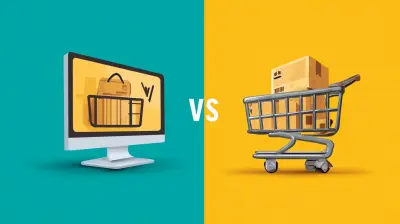
How to Use Data Analytics to Refine B2C Marketing Tactics
18 July 2026
Let’s face it—marketing to consumers isn’t what it used to be. Gone are the days of blindly throwing spaghetti at the wall to see what sticks. These days, if you're not using data analytics to fine-tune your B2C marketing tactics, you're basically driving with your eyes closed. Yikes, right?
But don’t worry—that’s why we’re here. In this article, we’ll take a friendly stroll (no stress here!) through the world of data analytics and how it can make your B2C marketing smarter, sharper, and way more effective.
So grab a coffee, kick back, and let’s dive in!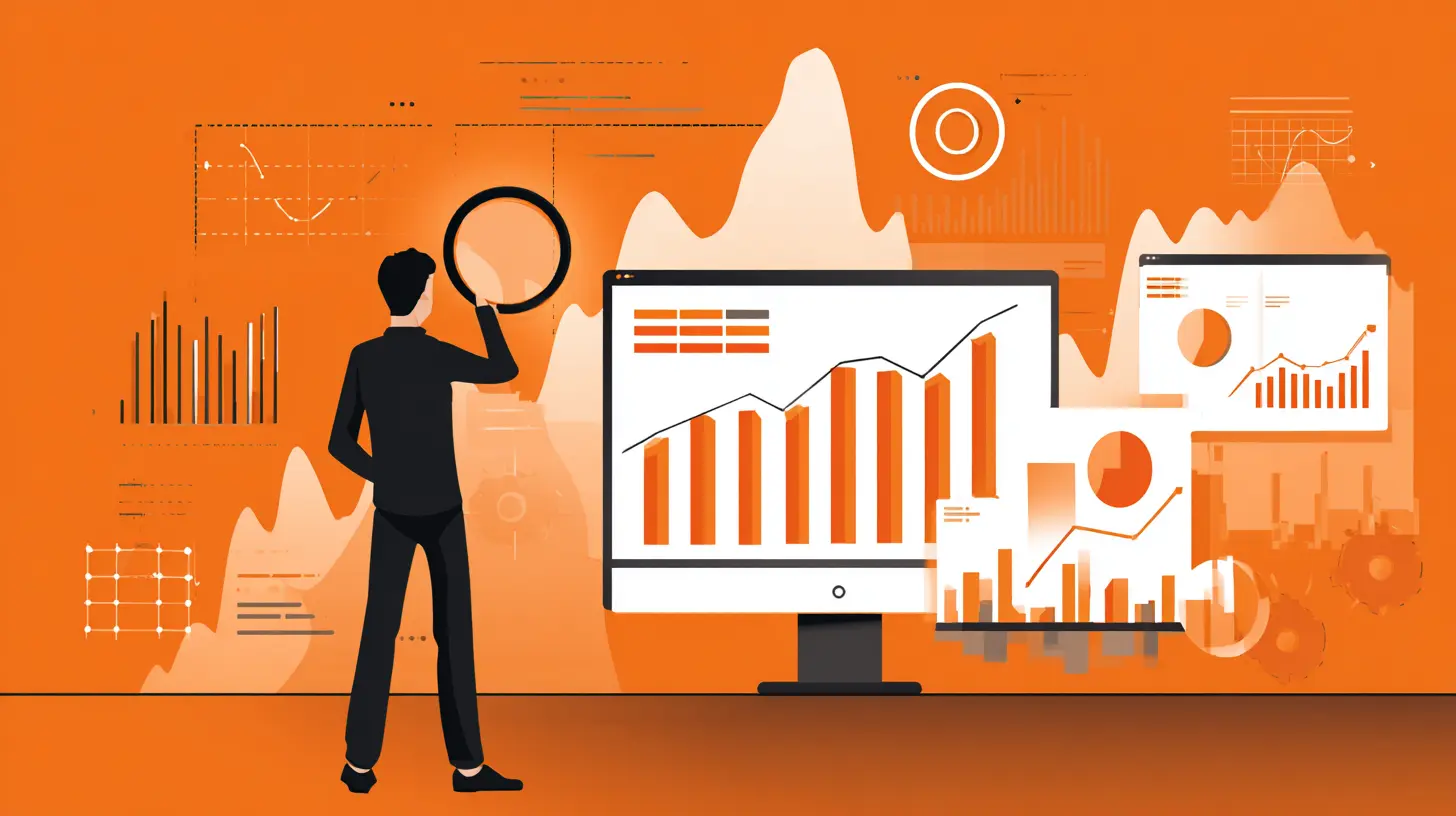
What in the World is Data Analytics?
Picture this: you throw a party, invite 100 people, and only 25 show up. You'd probably want to know why, right? Data analytics, in a nutshell, is the process of gathering, cleaning, and analyzing information to figure out what’s going on. In marketing, that means making sense of consumer behavior, preferences, and habits.It's like being a detective—but instead of solving crimes, you’re cracking the code on what makes your customers click "Buy Now."
Why Bother Using Data Analytics in B2C Marketing?
Let’s be real here. Your customers are being hit with ads every second they’re online. Inbox promotions, social media pop-ups, YouTube pre-rolls—it’s a digital jungle out there. So how do you break through the noise?Data analytics helps you:
- Understand who your customers are (age, gender, interests)
- Pinpoint what they want (preferences, needs, pain points)
- Figure out how they shop (online vs. in-store habits)
- Discover when they buy (time of day, seasonal trends)
- Know why they make decisions (price, convenience, emotional appeal)
With this golden info, you can customize your marketing tactics to hit the bullseye instead of just aiming in the general direction.
The Different Types of Data You Should Be Tracking
Now, before you start randomly collecting data like it’s a game of Pokémon Go, let’s talk about the three types of data you should zero in on:1. Demographic Data
This is the “who.” Age, gender, income level, location—it helps you figure out who your customers are. Think of it as the ID card of the marketing world.2. Behavioral Data
This is the “what.” What pages they visit, what products they view, how long they stay—it tells you what they’re doing on your site. It’s like being a fly on the wall (only less creepy).3. Psychographic Data
This is the “why.” Interests, lifestyle choices, values—this is the juicy stuff that offers deep insight into your customers’ motivations.When you weave all three together, you get a 360° view of your consumer. That’s marketing magic right there!
Tools That Will Help You Analyze All This Data
Don’t worry, you don’t need to be a math wizard. There are plenty of tools out there that do the heavy lifting for you:- Google Analytics – The OG of website data tracking
- HubSpot – Great for marketing automation and data insights
- Hotjar – See where users click, scroll, and bounce
- Tableau – For those who love colorful charts and dashboards
- Klaviyo – Perfect for ecommerce and email list segmentation
Using these tools is like having a marketing Swiss army knife—you're ready for anything.
How to Actually Use Data to Refine Your B2C Marketing Tactics
Alright, time to roll up our sleeves and get into the good stuff: how to actually use all that juicy data to polish your marketing game until it shines.1. Segment Your Audience Like a Pro
One-size-fits-all marketing? That’s so 2005. Data allows you to divide your audience into meaningful buckets. You can segment by:- Location (hello, geo-targeted ads!)
- Behavior (abandoned cart? Time to retarget!)
- Age group (Boomers and Gen Z are not into the same stuff, trust us)
- Purchase history (bring on the personalized recommendations)
With laser-focused segments, your marketing messages hit harder. No more generic emails that get sent straight to trash.
2. Personalize Everything, Seriously
Consumers want to feel special—like your brand knows them better than their best friend. Enter: personalization.Use purchase history, browsing behavior, and even name personalization to create marketing that feels tailor-made. It’s not magic—it’s data!
Think friendly subject lines like:
? “Hey Maria, your favorite lip gloss is back in stock!”
Feels personal, right? That’s the goal.
3. Spot Trends (Before Your Competitors Do)
Data lets you see patterns over time. Maybe you notice sales spike every Monday, or certain products start trending in April. These aren’t random—they’re insights begging to be acted on.You can use these trends to:
- Time product launches
- Plan email campaigns
- Adjust pricing strategies
Being ahead of the curve makes you look like a genius. ?
4. Test, Test, Test—Then Test Again
Have an idea for a killer email subject line? Not sure if your new ad visual is converting? A/B testing is your BFF.Here’s what you can A/B test:
- Headlines
- Call-to-action buttons
- Images
- Landing pages
- Email content
Let the data do the talking. The days of guessing are over. ?
5. Improve Customer Retention
Customer acquisition is great, but customer retention… that’s where the magic really happens.Use data to find out why people keep coming back—or why they don’t. Look at churn rates, repeat purchase behavior, and feedback surveys. Then tweak your loyalty programs or customer support accordingly.
Keep ‘em happy, and they’ll keep buying.
Real-Life Example: How Data Saved a Failing Campaign
Let’s take a quick story break. Meet “Urban Chic,” an online clothing brand that launched a swanky new summer line. They poured thousands into ads… and sales were meh at best.So, they turned to data.
- Behavioral analytics showed customers dropping off at the sizing chart page. ?
- Heatmaps revealed users were confused about fit and material.
- Feedback surveys confirmed it—no one trusted the sizes.
What did Urban Chic do? They revamped their sizing guides, added customer photos and reviews, and boom—sales jumped 40% in a week.
Moral of the story? Data doesn’t lie (and it won’t ghost you either).
Measuring the Results: Key Metrics You Should Watch
You can’t improve what you don’t track. So once you’ve refined your tactics, keep an eye on these babies:- Conversion Rate – The ultimate measure of success
- Bounce Rate – Tells if your site is turning people away
- Customer Lifetime Value (CLTV) – Shows long-term impact
- Click-through Rate (CTR) – Are your emails or ads working?
- Return on Ad Spend (ROAS) – Are your marketing dollars doing their job?
Keep your eyes on these, and you’ll know exactly what’s working—and what needs a little TLC.
Final Thoughts: Data is Your Compass, Not Your Crystal Ball
Look, data’s amazing—but it’s not psychic. It won’t make all your marketing decisions for you. It’s a tool. And just like a GPS, it helps you navigate. But you’ve still got to drive the car.Have fun with it. Experiment. Stay curious. And remember: in the world of B2C marketing, the brand that understands its customer wins the race.
So go forth, crunch those numbers, and turn those insights into action. Your customers (and your bottom line) will love you for it.
all images in this post were generated using AI tools
Category:
B2c MarketingAuthor:

Susanna Erickson
Discussion
rate this article
1 comments
Kestrel Jordan
Data analytics opens up real opportunities for businesses to understand their customers better. By leveraging insights effectively, companies can tailor their marketing strategies to meet specific needs. It's crucial to stay agile and responsive to the data-driven insights we uncover.
August 16, 2026 at 11:44 AM