How to Streamline Cash Inflows by Using Invoice Factoring
16 March 2026
If you're a small business owner or run a growing company and you've ever found yourself anxiously refreshing your bank account, waiting for clients to pay their invoices—you're not alone. Cash flow issues are a real pain for businesses of all sizes. But what if there was a way to get access to your money faster without waiting 30, 60, or even 90 days? That's where invoice factoring comes in.
Let’s break down how invoice factoring can help you streamline cash inflows, keep your business humming, and let you sleep better at night.
What Is Invoice Factoring?
First things first—let’s get on the same page.Invoice factoring is a financial transaction where a business sells its unpaid invoices to a third-party company (called a factor) at a discount. In return, you get most of your money upfront—usually within 24 to 48 hours. The factor then collects the invoice payment directly from your customer.
Sound simple? That’s because it is.
It’s not a loan, so you’re not taking on debt. You’re basically trading unpaid invoices for immediate cash. Think of it as turning your accounts receivable into ready-to-spend dollars.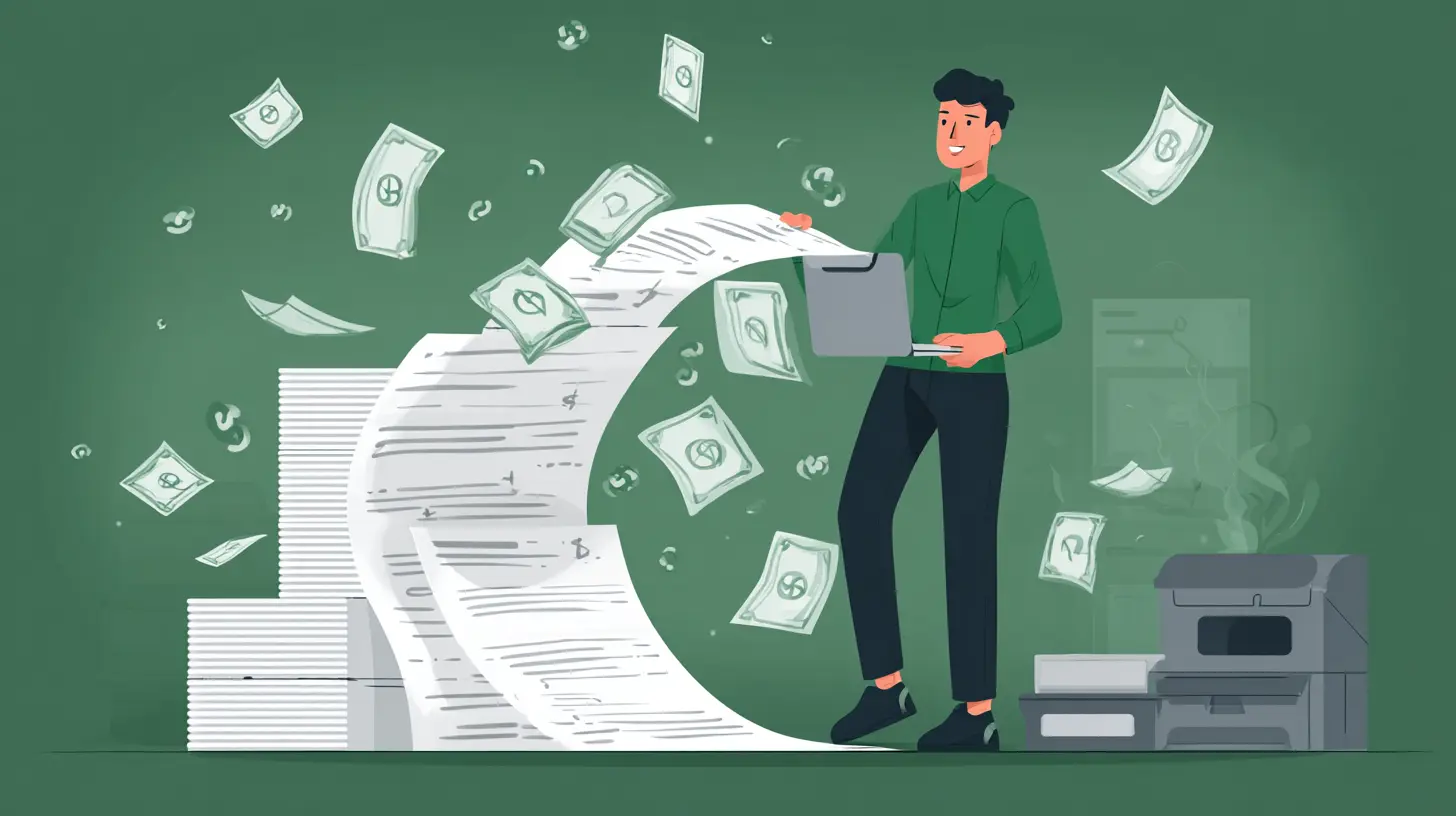
Why Cash Flow Is King
Before diving deeper into how invoice factoring works, let’s talk about the lifeblood of your business—cash flow.You could be sitting on $100,000 worth of invoices, but if none of them have been paid yet, your bank account might still say $2,500. You can’t pay your employees, cover rent, or take on new projects based on “expected” money.
Healthy cash flow lets you:
- Pay suppliers on time.
- Seize new business opportunities.
- Maintain smooth daily operations.
- Avoid high-interest credit or loans.
So, if your business is growing but cash flow is strangling your progress, invoice factoring might just be the secret weapon you need.
How Invoice Factoring Works (Step-by-Step)
Let’s break it down so it’s bite-sized and understandable.1. You Issue an Invoice: You complete a job or deliver a product and send an invoice to your customer.
2. Sell the Invoice to a Factor: You forward the invoice to a factoring company.
3. Get Immediate Funds: The factoring company gives you a significant portion of the invoice amount upfront—usually around 80% to 90%.
4. The Factor Collects Payment: Your customer pays the factoring company directly.
5. You Get the Remainder: Once your customer pays in full, the factor releases the remaining balance to you, minus their fee.
And just like that—you get most of your money instantly, and someone else takes care of chasing down the rest.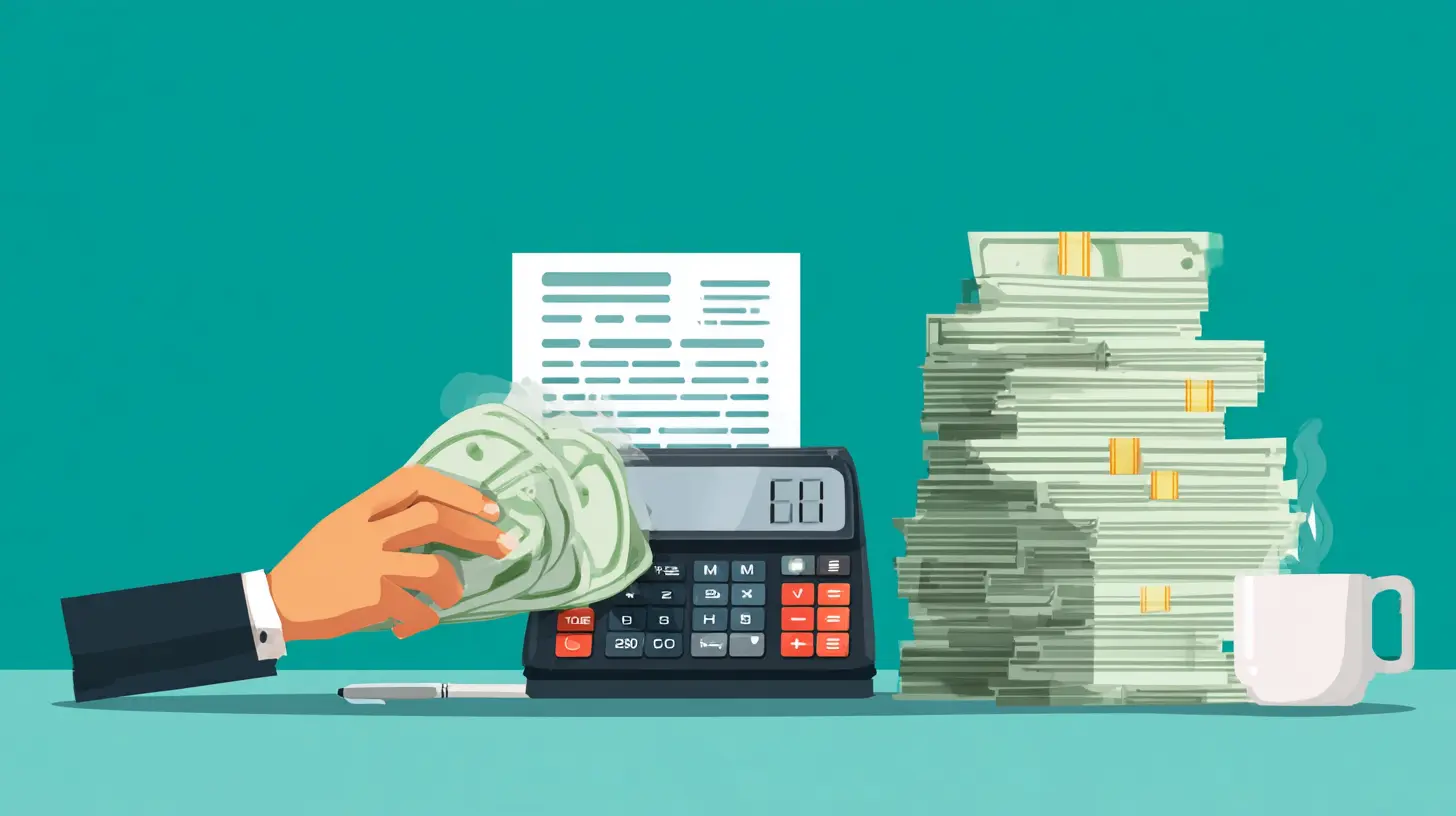
Types of Invoice Factoring
Not all factoring is created equal. Here’s a quick breakdown of the main types:1. Recourse Factoring
You’re still on the hook if your customer doesn’t pay. It’s cheaper, but riskier.2. Non-Recourse Factoring
The factoring company takes on the risk of non-payment. It’s more expensive but offers peace of mind.3. Spot Factoring
You factor just one or a few invoices. Ideal for businesses trying out the service or needing occasional cash flow boosts.4. Contract Factoring
You commit to ongoing factoring, usually with better rates. It’s great for consistent cash flow management.Pick the flavor that fits your business appetite and risk tolerance.
Benefits of Invoice Factoring for Your Business
Let’s talk about the reasons why invoice factoring is becoming a go-to strategy for thousands of businesses across various industries.1. Improved Cash Flow
Obviously, this is the big one. Instead of waiting months to get paid, money hits your account much quicker. That’s a game changer.2. No More Chasing Payments
The factoring company handles collections. You save time and avoid awkward client conversations.3. No Debt Involved
Unlike business loans, factoring doesn’t increase your liabilities. You're not borrowing—you're using money already owed to you.4. Flexible Financing
Funding grows with your sales. More business equals more invoices, which equals more available cash.5. Faster Growth
With steady cash flow, you can hire staff, buy materials, or invest in marketing—without having to wait for money that’s already “yours.”6. Better Supplier Relationships
Having money on hand means you can pay your suppliers early (and maybe even get discounts).Common Industries That Use Invoice Factoring
Factoring isn’t just for big corporations—it’s widely used across all kinds of industries:- Freight and Trucking
- Manufacturing
- Staffing Agencies
- Construction
- Healthcare
- Wholesale and Distribution
- Marketing and Creative Agencies
If you regularly issue invoices and wait to get paid, you're a good candidate—plain and simple.
How to Choose the Right Factoring Company
Now, not all factoring companies are created equal. Choosing the right one can make a big difference in your experience.Here’s what to keep an eye out for:
1. Transparent Fee Structure
Hidden fees can eat away at your profits. Look for transparency in fees and interest.2. Industry Experience
Choose a factor that understands your industry. They’ll be better equipped to manage risks and provide tailored support.3. Customer Service
Factoring involves people—both you and your customers. You want a company that handles communication professionally and efficiently.4. Recourse vs. Non-Recourse
Know their policy and choose what aligns with your comfort level.5. Funding Speed
How quickly do they release funds? Time is money, and delays defeat the purpose.Things to Watch Out For
While invoice factoring can be a lifesaver, it’s not without its downsides. Keep these in mind before signing:- Customer Perception: Some clients might not love dealing with third-party collectors.
- Cost: Factoring fees can be higher than traditional financing.
- Qualification Requirements: Factoring companies often assess the creditworthiness of your clients, not you.
It’s not a magic wand—but it’s close, especially when used wisely.
Key Metrics to Track After Starting Factoring
Once you start factoring, don’t just sit back. Monitor these metrics to ensure it’s working for your business:- Cash Flow Trends: Are inflows smoother and more predictable?
- Collection Times: Is your factor collecting quickly?
- Fee Impact: Are factoring costs eating too much into profits?
- Customer Satisfaction: Are your clients comfortable with the arrangement?
Data doesn’t lie. Use it to fine-tune your approach.
When to Use Invoice Factoring
Still wondering if it’s the right move? Here are some perfect scenarios:- You’re growing fast but cash is tight.
- You’re tired of late payments slowing you down.
- You can’t qualify for a traditional bank loan.
- You want to invest in equipment, staff, or marketing but don’t have the cash on hand.
If any of those sound like your business, give factoring a serious thought.
Final Thoughts
At the end of the day, invoice factoring isn’t just about getting paid faster. It’s about unlocking the cash that’s already earned to keep your business moving forward.Think of it like a cash flow turbocharger. You’re not taking on more risk—you’re just giving your business the breathing room it needs to grow.
So if you're tired of playing the waiting game with invoices, maybe it’s time to put your accounts receivable to work.
all images in this post were generated using AI tools
Category:
Cash ManagementAuthor:

Susanna Erickson
Discussion
rate this article
2 comments
Delia McEachern
Invoice factoring can be a strategic solution for businesses seeking to improve cash flow. By converting outstanding invoices into immediate cash, companies can enhance liquidity, reduce payment delays, and focus on growth. Implementing this method effectively can lead to significant operational efficiencies.
April 2, 2026 at 2:55 AM
Susanna Erickson
Absolutely, invoice factoring can be a game changer. It turns unpaid invoices into cash quickly, which helps businesses stay agile and invest in growth.
Denise Heath
Great insights! Invoice factoring is such a practical solution for businesses looking to improve cash flow. It’s amazing how freeing up cash can make such a difference in daily operations. Thanks for simplifying this topic—definitely sharing with my fellow entrepreneurs!
March 17, 2026 at 3:20 AM
Susanna Erickson
Thank you for your kind words! I’m glad you found the article helpful—invoice factoring can truly transform cash flow for businesses. Feel free to share!