Engaging Millennials and Gen Z with Modern B2C Marketing Techniques
17 June 2026
Marketing ain't what it used to be. For decades, businesses pushed messages out into the world and hoped they’d stick. But that spray-and-pray strategy? Yeah, it doesn’t cut it anymore—especially when you're dealing with Millennials and Gen Z. These generations are tech-savvy, socially aware, and allergic to traditional advertising.
If you’re a brand trying to win over these digital natives, buckle up. We’re diving deep into how to connect with them using modern B2C marketing techniques that actually work. Ready? Let’s go.
Who Are Millennials and Gen Z, Really?
Alright, before we talk tactics, let’s break down who we’re dealing with.- Millennials: Born between 1981 and 1996. These folks came of age during the rise of the internet and social media. They value authenticity, convenience, and experiences over things.
- Gen Z: Born from 1997 onward. They’ve never known a world without smartphones and social media. They're highly individualistic, socially conscious, and crave interactive, personalized experiences.
These aren’t just digital consumers—they’re digital creators. And they expect brands to keep up.
Why Traditional Marketing Falls Flat
Remember those cheesy infomercials or pop-up banner ads from the early internet days? Millennials and Gen Z roll their eyes at that stuff. They skip, block, and bounce faster than you can say “limited-time offer.”Why?
Because they want authenticity and connection. They don’t want to be sold to—they want to be understood.
Marketing that interrupts? Annoying.
Marketing that entertains, educates, or empathizes? Now we’re talking.
1. Storytelling: The OG of Emotional Marketing
People don’t remember product specs. They remember how you made them feel.That’s where storytelling comes in. Instead of shouting features, tell stories your audience can relate to. This could be a customer's journey, a behind-the-scenes look at your team, or even your brand’s origin story.
Make It Real
Share your struggles. Be transparent. Show that you're human. Millennials and Gen Z crave vulnerability over perfection. Think less corporate-polished and more “real talk.”? Pro Tip: Use user-generated content (UGC)—testimonials, reviews, videos—to tell your story through your customers' voices.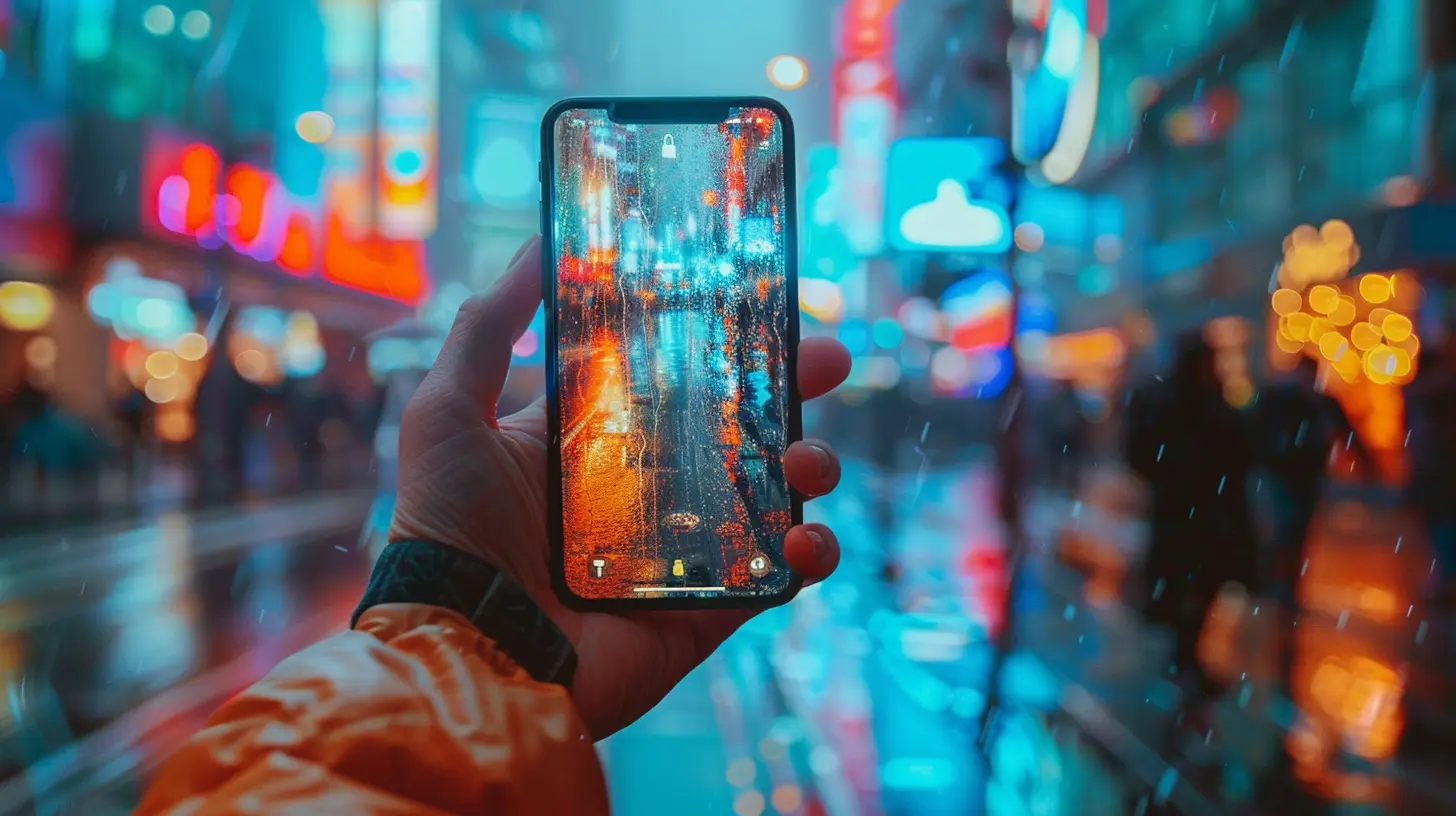
2. Meet Them Where They Hang Out (Yes, Online)
Spoiler alert: They're not reading newspapers.Millennials and Gen Z are glued to their screens, but not just one. They jump seamlessly between platforms—TikTok, Instagram, YouTube, Snapchat, and yep, even Reddit.
Know Your Platform
Each platform has its own culture and language. Gen Z might vibe with fast-paced TikTok memes, while Millennials enjoy long-form IG reels or LinkedIn thought pieces.Don't recycle the same post across all platforms. Be native. Be relevant.
3. Influencer Marketing: The New Word-of-Mouth
Think influencer marketing is just another trend? Think again. These generations trust influencers more than traditional celebrities—and definitely more than brands.Micro > Macro
It’s not about follower count. Micro-influencers with tight-knit communities have higher engagement and trust. They appear more authentic, like a friend recommending something rather than a billboard shouting at you.? Hack This: Collaborate with influencers for product reviews, unboxings, or "a day in the life" content. Let them create in their style—it’s why they have followers in the first place.
4. Create Interactive Content They Actually Want to Engage With
Let’s face it—our attention spans are toast. If content isn’t interactive, it’s easy to scroll right past it.Ideas to Try
- Polls, quizzes, and surveys on Instagram Stories- AR filters or branded lenses on Snapchat or TikTok
- "This or That" style posts on Twitter or Reels
- Interactive how-to videos or product customizers
Interactive content doesn’t just grab attention—it also gives users a sense of control and involvement. And guess what? That boosts engagement like crazy.
5. Make Personalization a Priority
Mass marketing feels robotic. Millennials and Gen Z want to feel like you're talking directly to them.Personalization Tactics That Work
- Tailored product recommendations (based on behavior, not just basic info)- Email marketing with the subscriber’s name and relevant content
- Dynamic website content that shifts based on user history
The more your audience feels "seen," the more likely they’ll stick around.
6. Be Socially Conscious (But Genuine About It)
Gen Z and Millennials don’t just buy products—they buy values. They want to support brands that stand for something.Now, here's the kicker: It's gotta be real. No fake activism or bandwagoning.
What This Looks Like
- Transparent sustainability and ethical practices- Diversity and inclusion as more than just a buzzword
- Taking a stand on social issues (and following it up with action)
- Giving back to communities and causes that align with your customer base
? Heads Up: Don’t do this for the clout. You will get called out faster than you can issue a Notes App apology.
7. Prioritize Mobile and Speed (Don’t Make Us Wait)
You know the feeling—clicking on a link only to land on a snail-paced, clunky website. Ugh, instant turn-off.Millennials and Gen Z expect lightning-fast, mobile-first experiences.
Quick Fixes
- Optimize page speed (compress images, reduce redirect chains)- Use responsive design—your site should look amazing on any device
- Keep forms short and sweet (no one wants to fill out 20 fields on a phone)
If it’s not mobile-friendly, it simply won’t fly.
8. Lean Into FOMO and Real-Time Marketing
Millennials and Gen Z live in the now. Limited-time drops, exclusive online events, flash sales—they eat that stuff up.FOMO Tactics
- Instagram or TikTok live product launches- Early access through email or app
- Countdown timers on landing pages
- Collaborations with other brands for limited releases
It taps into that “I need to be part of this” energy. Just make sure it’s legit and not manipulative.
9. Tap Into the Power of Reviews and Peer Feedback
Social proof is HUGE. These generations trust online reviews and peer recommendations before clicking “add to cart.”Boost Your Review Game
- Encourage customers to leave honest reviews (in exchange for points or perks)- Highlight reviews on product pages and social content
- Create video testimonials or reaction videos showing real user experiences
It's like having your best friend say, “You gotta try this.” Instant credibility.
10. Gamify the Experience
What's more fun than shopping? Shopping that feels like a game. ?Gamification keeps users engaged and coming back. It adds a little dopamine hit to your customer journey.
Easy Ways to Gamify
- Loyalty points, badges, and rewards systems- Spin-to-win wheels on landing pages
- Tiered memberships with perks
- Seasonal challenges or “missions” with small prizes
Make it fun. Make it feel like play. Because who says marketing has to be boring?
11. Create Shareable Moments
Want free exposure? Make it share-worthy.Design your packaging, experiences, or customer journey in a way that begs to be shared on social. Think unboxing experiences, unexpected goodies, or personalized thank-you notes.
The Goal?
Turn customers into brand evangelists. If they're posting about you on their own, you’re winning.12. Be Available, Respond Fast, and Humanize Your Service
Have you ever messaged a brand and felt like you were talking to a robot? Yeah, let’s fix that.Millennials and Gen Z want real-time, human conversations—not auto-generated replies.
Do This Instead
- Use live chat and social DMs (and actually have someone respond!)- Add personality to your chatbot scripts
- Be present on the platforms your audience uses (not just email)
Customer support isn’t just a back-end function—it’s a core part of your marketing.
Final Thoughts: Keep It Real, Keep It Fresh
Marketing to Millennials and Gen Z isn’t rocket science. It’s about showing up, being real, and creating value in ways that feel personal and engaging.They’re not just passive consumers—they’re active participants, and they want to be part of your brand’s story.
So ditch the outdated playbook, speak their language, and lean into the things that make your brand human. That’s how you build trust, drive loyalty, and turn scrolling thumbs into paying customers.
Ready to connect with the next generation? The digital stage is yours.
all images in this post were generated using AI tools
Category:
B2c MarketingAuthor:

Susanna Erickson
Discussion
rate this article
1 comments
Sara Montgomery
To truly engage Millennials and Gen Z, brands must prioritize authenticity, leverage social media trends, and create interactive experiences that resonate with their values.
June 26, 2026 at 11:24 AM
Susanna Erickson
Absolutely, authenticity and interactive experiences are key. Brands that align with the values of Millennials and Gen Z will stand out in today's market.