Effective Ways to Drive Impulse Purchases in B2C
17 March 2026
Ever walked into a store for milk and left with three chocolate bars, a scented candle, and a magazine you didn’t know you needed? That, my friend, is the power of impulse buying. And in the B2C world, it's pure gold.
Impulse purchases are spontaneous, emotional decisions that happen in seconds. These quick buys can significantly boost your bottom line—if you know how to trigger them. And let’s be honest, today's consumer is constantly distracted, overloaded with choices, and tight on time. So, how in the world do you grab their attention and nudge them into buying before they even realize it?
Good news: that’s exactly what we’re diving into.
Let’s unwrap the most effective, no-fluff ways to drive impulse purchases in the B2C space.
What Makes Impulse Buying Tick?
Before we start tossing out tactics, you need to understand what lights the fire of an impulse purchase. Unlike planned purchases, impulse buying is emotional. It’s driven by excitement, urgency, curiosity, or even FOMO (fear of missing out).Think of it as the consumer brain saying, “Ooh, shiny! Want it. Now.”
Factors influencing impulse buys include:
- Limited-time offers
- Product placement
- Personalization
- Emotional triggers
- Seamless purchasing process
So the question becomes: how do you embed these elements into your customer journey?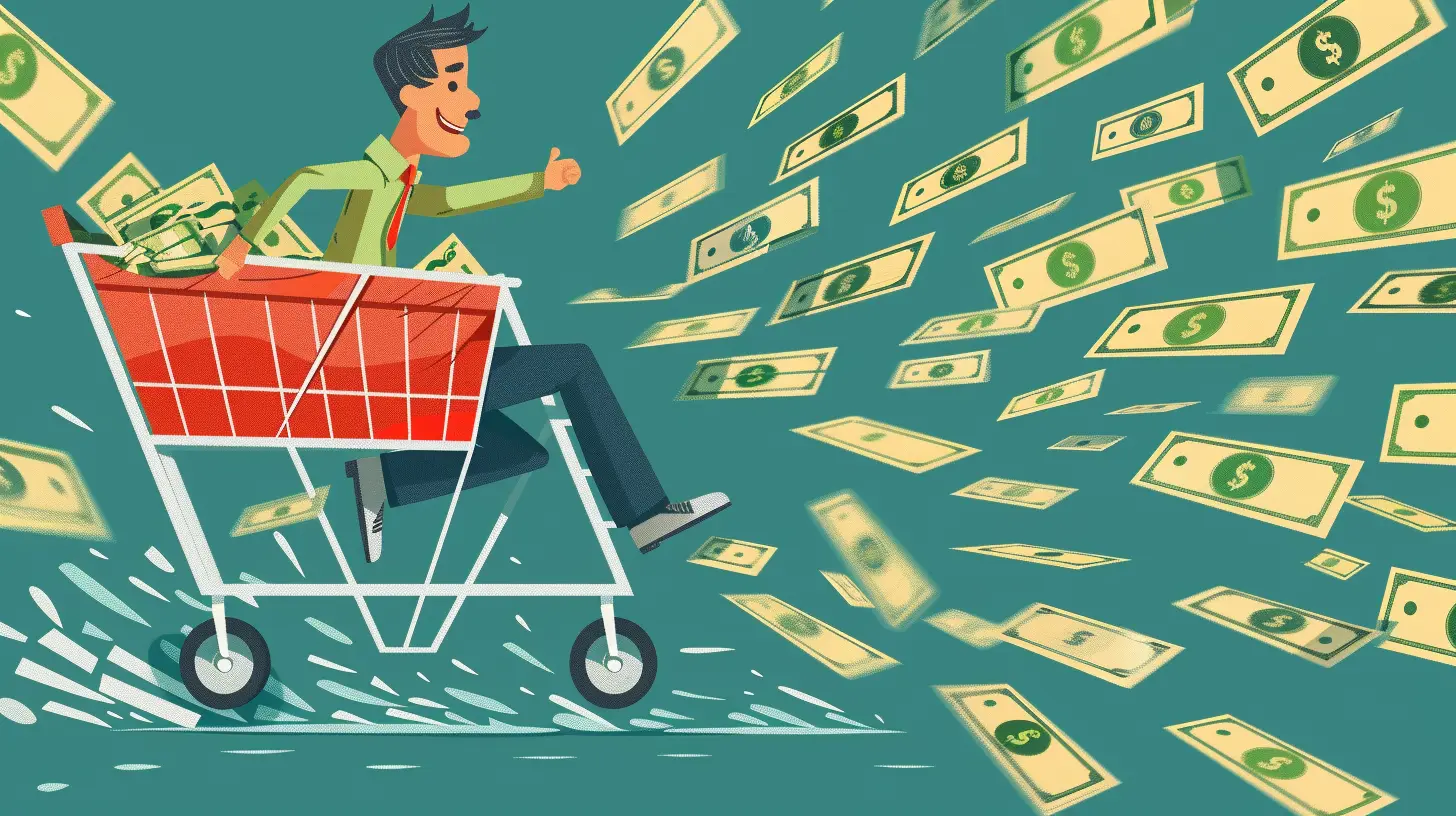
1. Create Urgency with Scarcity and Time Limits
Nothing lights a fire under a shopper like seeing “Only 2 left in stock” or “Sale ends in 12 minutes.” It taps directly into FOMO, sparking that internal urge to buy before it's too late.Here’s how to do it:
- Use countdown timers on product pages and in email promotions.
- Show real-time stock levels like “10 people are viewing this now.”
- Add limited-time offers like "Today Only" or "Weekend Flash Sale."
People hate missing out—it’s in our DNA. Use that to your advantage, but keep it honest. False scarcity can backfire fast.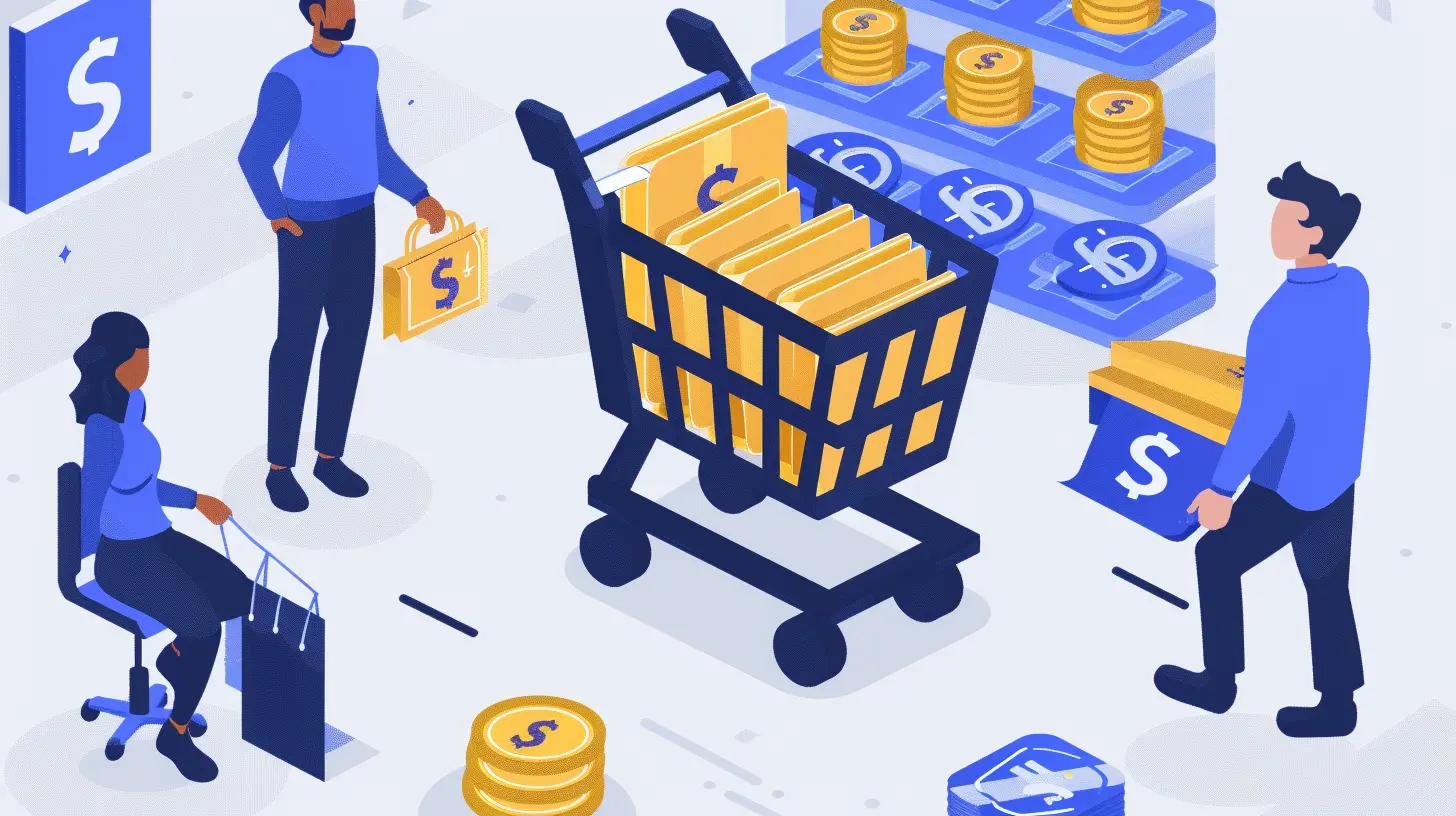
2. Showcase Low-Priced Add-Ons
You know those little doodads near the checkout line at stores—gum, keychains, lip balm? That’s not random. It’s a calculated move.In the digital world, this looks like:
- “Customers also bought” sections with small, inexpensive items
- “Add this for just $3 more!” recommendations
- Upsells at checkout that don’t require much thought
Keep it cheap. Keep it convenient. Make it feel like a no-brainer.
3. Master The Art of Emotional Triggers
Let’s face it, buying is emotional before it’s logical. People buy things that make them feel good, look good, or seem cool.So tell stories. Use visuals. Sell more than a product—sell a feeling.
Here’s what that looks like:
- Use lifestyle images that show people enjoying the product
- Craft product descriptions that speak to benefits, not features
- Include emotive wording: “Feel confident,” “Spark joy,” or “Unwind in style”
Emotions sell. Tap into them and you’re halfway to the sale.
4. Flash Sales and Limited-Time Deals
Nothing gets people clicking faster than lightning-fast deals. Flash sales are short, sweet, and aggressive. They create buzz, urgency, and best of all, conversion.Best practices:
- Use bold headlines: “2-Hour Deal” or “Ends at Midnight”
- Promote it hard on social, email, and website banners
- Keep it simple: too many rules or conditions can kill the vibe
But don’t overdo it. If every day is a flash sale, people stop caring.
5. One-Click Checkout = Less Time to Rethink
If your checkout feels like a tax form, goodbye impulse buy.The quicker someone can move from “I want this” to “It’s mine,” the better. Every extra click is a chance for second thoughts.
So what can you do?
- Offer one-click checkout (especially for returning customers)
- Provide guest checkout so users aren’t forced to create an account
- Reduce unnecessary fields—do they really need to type “Apt #”?
Make it stupid-easy to buy. That’s the secret sauce.
6. Use Social Proof Like a Pro
Peer pressure isn’t just for teenagers—it’s alive and well in eCommerce.When customers see that others are loving a product, it lowers their buying resistance. It validates their decision, especially when impulse is leading the way.
Tactics you can try:
- Add product reviews and star ratings
- Display “X customers bought this today”
- Show testimonials or social media shoutouts
Nothing bumps up confidence like knowing you’re not the only one pulling the trigger.
7. Personalized Product Recommendations
“Hey, since you liked that, here’s something else we think you’ll love.” Sound familiar? It works like magic.Personalized suggestions feel helpful, not pushy. Plus, they make browsing feel more like a curated experience than a sales pitch.
Tools to personalize user experience:
- AI-backed recommendation engines
- Triggered email suggestions based on browsing behavior
- Dynamic website content based on user preferences
Think of it like a helpful salesperson who knows your style and says, “This would look great on you.”
8. Mobile Optimization Is Non-Negotiable
If your mobile site is clunky, slow, or looks like something from 2009, you’re flushing impulse buys down the drain.Most B2C buyers browse on mobile. That means your entire user journey—from homepage to checkout—needs to be buttery-smooth on a small screen.
Checklist:
- Fast load times (under 3 seconds)
- Clickable, thumb-friendly buttons
- Auto-fill features for address and payment
- Responsive design that adapts to any screen size
No one impulse-buys on a slow-loading site. Speed kills—in a good way.
9. Eye-Catching Visuals & Microcopy
You’ve got seconds to capture attention. Literally. That’s where visuals and clever microcopy come into play.Why it matters:
- Bold, vivid images trigger emotional responses
- Fun, helpful, or witty copy engages the brain
- Animations like “Add to cart” button pulsing create motion-based attraction
Think of it like window shopping. The better the display, the more likely you are to look—and buy.
10. Leverage the Power of Freebies
You wouldn’t think something free drives sales, but it totally does—if done right.Throwing in a freebie can sweeten the deal just enough to tip someone over the edge. It creates a sense of value and reward.
Ideas worth testing:
- “Buy one, get one free”
- Free gifts with purchases over a certain amount
- Surprise freebies added at checkout
The surprise element adds delight, which meshes perfectly with the emotional spark of impulse buying.
11. Exit-Intent Offers
Just as someone’s about to bounce, BAM—a pop-up offering 10% off their order or free shipping. It interrupts the exit, gives a reason to stay, and nudges them toward pulling the trigger.Best exit-intent ideas:
- Offer real value, not just fluff
- Keep the form short (email only, if possible)
- Pair it with urgency or scarcity
Use this wisely—it’s your Hail Mary pass to save the sale.
12. Gamify the Experience
We’re all kids at heart. Adding a bit of game-like fun to the shopping experience can stir excitement and, yes, impulsive decisions.Think spin-the-wheel for discounts, mystery boxes, or reward points for actions.
Gamification tactics:
- “Spin to win” wheels on landing pages
- Progress bars showing how close you are to a reward
- Points or badges for engaging with the site
Shopping becomes entertainment. And entertainment leads to purchases.
13. Make Shipping and Returns Frictionless
Here's the deal: if a customer has to jump through hoops for shipping or returning, they’re not going to buy on impulse.Clear the path completely.
Here’s how:
- Offer free or flat-rate shipping
- Have a simple, no-questions-asked return policy
- Display shipping details early (don’t hide them until checkout)
Peace of mind means buying with confidence—especially when the decision is fast and emotional.
Wrap-Up: It's All About the Right Nudge at the Right Time
Driving impulse purchases isn’t about shady tricks or manipulation. It’s about creating an environment that feeds curiosity, emotion, and excitement—with as little friction as possible.Whether it’s a killer flash sale, a well-placed upsell, or a personalized recommendation, the goal is to make buying feel fun, urgent, and rewarding.
If you do it right, customers won’t just buy once. They’ll come back for that dopamine hit again and again.
So, ready to turn browsers into buyers—fast?
Lights, camera, impulse!
all images in this post were generated using AI tools
Category:
B2c MarketingAuthor:

Susanna Erickson
Discussion
rate this article
2 comments
Drew Lane
Great insights on boosting impulse purchases! Utilizing strategic displays, limited-time offers, and personalized recommendations can truly enhance customer engagement. Implementing these tactics effectively can lead to significant sales increases and a better overall shopping experience. Keep up the good work!
April 3, 2026 at 2:40 AM
Susanna Erickson
Thanks for the feedback! I'm glad you found the strategies valuable. Implementing them can definitely make a difference in sales and customer experience. Appreciate your support!
Kaitlin Gates
Impulse buys are like potato chips—once you start, you can’t stop! Sprinkle in some whimsy and watch customers grab that extra snack (or the latest gadget) with glee!
March 17, 2026 at 3:20 AM
Susanna Erickson
Absolutely! A little whimsy can turn an ordinary shopping trip into a delightful experience, nudging customers to indulge just a bit more.