Cultivating Cultural Competence in International Teams
20 July 2026
Ever tried juggling water balloons while riding a unicycle? Managing international teams can feel a bit like that—balancing different time zones, languages, and customs without dropping the ball (or getting soaked). But here's the good news: cultivating cultural competence can turn that tricky circus act into a smooth dance. So, if you’re leading—or part of—a global team, stick around. It’s not just about avoiding awkward Zoom call moments; it’s about creating a thriving, inclusive vibe where everyone feels like they belong.

What Is Cultural Competence Anyway?
Let’s break it down. Cultural competence is like your GPS for navigating the diverse world of working with people from different cultures. It’s about:- Understanding cultural differences
- Appreciating them (yep, even the quirks)
- And adapting your communication and behavior accordingly
Basically, it’s the secret sauce that helps international teams click, collaborate, and crush their goals.

Why Cultural Competence Matters More Than Ever
We’re living in a global village. Workforces are no longer bound by geography. Your graphic designer might be in Brazil, your marketing wizard in Germany, and your backend developer chilling in Indonesia. Without cultural competence, miscommunications, misunderstandings, and missed deadlines could pile up faster than unread Slack messages.But when you get it right, the rewards are huge:
- Improved collaboration: People work better when they feel heard and respected.
- Boosted creativity: More perspectives = more "aha!" moments.
- Fewer conflicts: No more foot-in-mouth situations.
- Happy, engaged teams: And we all know happy teams get stuff done.

The Common Cultural Roadblocks Global Teams Face
Before we dive into growing your cultural competence, let’s shine a light on some of the bumps teams often hit.1. Communication Styles
Some cultures dig direct talk; others dance around sensitive topics. For example, Americans might say, “I don't agree,” while someone from Japan may choose a more subtle, “Perhaps we could consider another option.”2. Work Ethic and Attitudes
"Work-life balance" doesn’t look the same in every part of the world. Germans may value punctuality like it’s a religion, while others might prioritize flexibility and flow over strict schedules.3. Hierarchy vs. Equality
In some cultures, questioning your boss is a no-no. In others, it’s encouraged. That can make team dynamics... well, awkward.4. Non-Verbal Cues
A thumbs-up could mean “great job” in the US but might be offensive elsewhere. Eye contact? Respectful in some places, intimidating in others.Bottom line: Even well-meaning gestures can get lost (or misinterpreted) in translation.
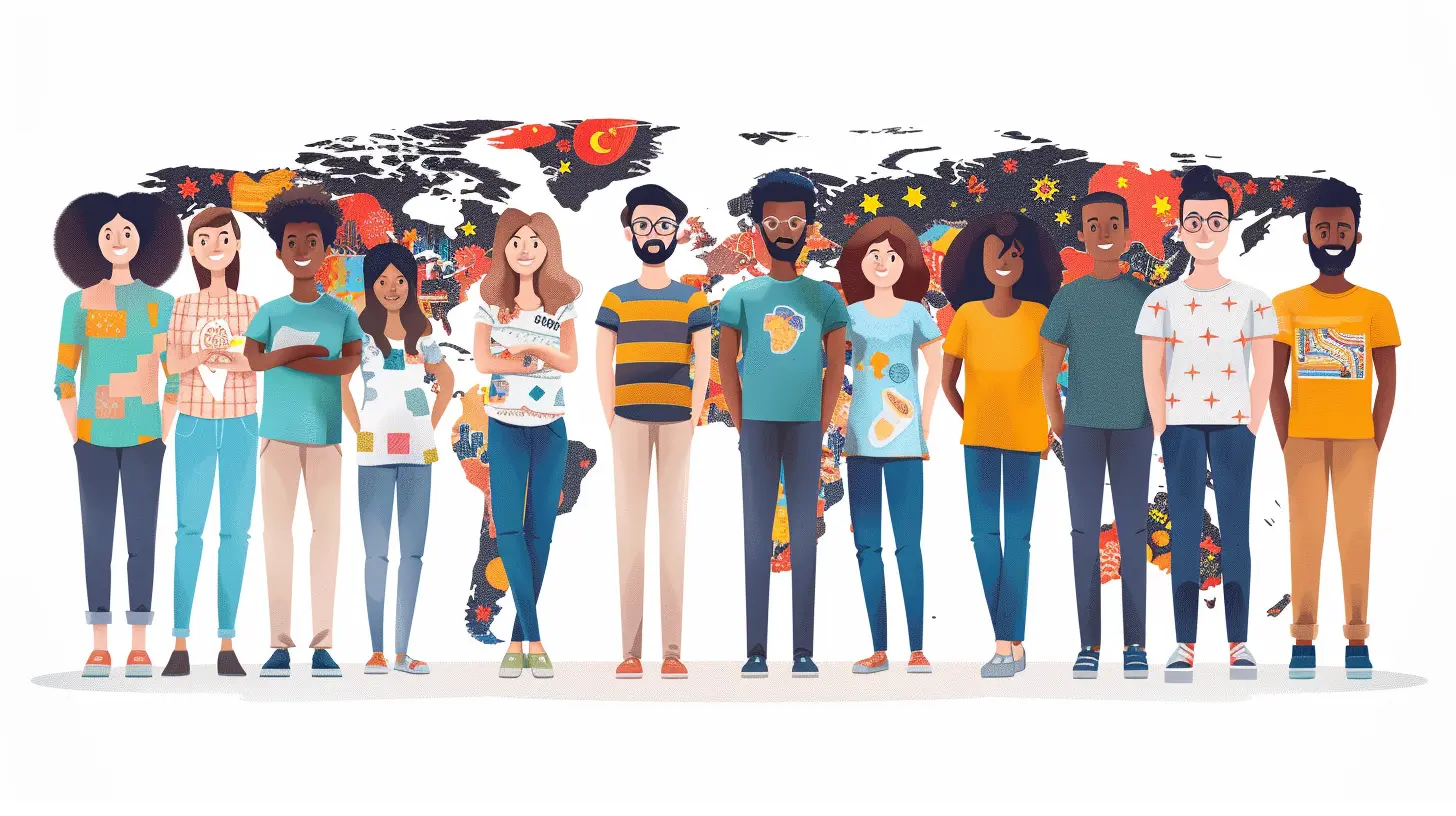
Growing Your Team’s Cultural Competence: Step by Step
Alright, now let’s get to the good stuff. How do you actually cultivate this magical mix of respect, awareness, and adaptability with your international crew?Step 1: Start with a Mindset Shift
Cultural competence isn’t a checkbox. It’s a mindset.Encourage your team to get curious, not judgmental. Instead of, “That’s weird,” try, “That’s different—what’s the story behind it?”
Stay humble. Assume you don’t know everything (because, spoiler alert: you don’t). And remind your team that cultural learning is a journey, not a destination.
Step 2: Talk About Culture—Openly and Often
Create spaces where people feel safe sharing their backgrounds, traditions, and communication preferences. You’d be surprised what you can learn during a virtual coffee chat.Consider team-building activities like:
- Cultural Show-and-Tell: Everyone shares something from their country. Could be food, music, holidays—whatever!
- “How We Work” Series: Each week, spotlight a team member to share how work and life operate in their culture.
These small moments build big bridges.
Step 3: Provide Cultural Awareness Training
This doesn’t have to be some yawn-inducing corporate seminar. Look for workshops or e-learning courses that are interactive, fun, and practical.Good training should cover:
- How different cultures communicate
- Cultural dimensions (like power distance and individualism)
- Real-life scenarios from the workplace
Pro tip: Make it part of onboarding for all new hires—it sets the tone right away.
Step 4: Embrace Flexible Communication Strategies
Let’s be real—email nuances get lost. Emojis might mean different things. And sarcasm? Don’t even try.So what’s the fix?
- Use clear, simple language in all written communication.
- Avoid idioms and slang (they don’t always translate well).
- Encourage video calls when it’s important to catch tone and facial expressions.
- And whenever there’s confusion, don’t be afraid to ask: “Can I clarify that better?”
Step 5: Appoint Cultural Champions
These aren’t superhero capes (though that would be cool), but certain team members who naturally “get” the cultural diversity thing. They can help smooth out misunderstandings, lead training sessions, and cheerlead inclusivity efforts.Bonus points if they’re from different backgrounds themselves!
Step 6: Celebrate Cultural Events
Acknowledge global holidays, festivals, and traditions. It’s a simple but powerful way to show respect and keep everyone in the loop.You could:
- Add international holidays to your shared calendar
- Host themed virtual parties (Costumes optional, fun mandatory)
- Send out a monthly “Culture Corner” email with interesting facts, greetings in different languages, or favorite team recipes
It’s all about building connection through celebration.
Step 7: Build a Feedback-Friendly Culture
Encourage team members to speak up if they feel misunderstood or if something feels off. You want people to feel safe saying, “Hey, here’s how we typically do things where I’m from.”More feedback = more learning = more trust.
Leadership's Role: Walk the Talk
If you’re in a leadership role, your influence is HUGE. Your team will follow your lead—so make sure you’re modeling cultural competence.That means:
- Acknowledging when you make cultural missteps
- Listening more than talking
- Advocating for diverse perspectives in decision-making
- Making inclusivity part of your team values (and not just a poster on the wall)
Think of yourself as the captain of an international ship. Your compass? Empathy, curiosity, and a good Wi-Fi connection.
Tools and Tech That Can Help
Managing cultural competence is a lot easier when you’ve got the right tools on deck. There’s an app (or a feature) for nearly everything these days.Try:
- Loom or Zoom: For visual communication that minimizes misinterpretation
- Slack channels: Dedicated to cultural chats or global fun
- Google Calendar: With country-specific holidays visible
- Translation plugins: Like DeepL or Grammarly with tone checking
- Time zone tools: So you’re not accidentally scheduling a call during someone’s dinner
The tech is there to bridge the gap—you just need to use it thoughtfully.
Get Comfortable Being Uncomfortable
Let’s be honest: cultural competence isn't always neat and tidy. You’ll stumble. You’ll offend someone (unintentionally). You'll say the wrong thing in the right meeting.That's okay.
Being culturally competent isn’t about being perfect. It’s about being willing—to learn, to listen, and to grow.
And much like learning to ride a bike, you’ll wobble at first—but soon, you’ll be cruising.
Real Talk: Stories from the Global Trenches
Want proof it works? Here are some real-life snippets:- A European healthcare startup noticed tension in meetings. Turns out, their Brazilian team felt dismissed because they weren’t as assertive in video calls. After communication training and role-switch exercises, collaboration soared.
- A US-based sales company expanded into Asia but hit a wall with employee turnover. Once they started recognizing and celebrating employees during local festivals and adapted management styles, retention improved by 38%.
These aren’t just feel-good stories—they’re proof that cultural competence gets results.
Conclusion: Culture Isn’t a Barrier, It’s a Bridge
At the end of the day, cultivating cultural competence in international teams isn’t about “putting up with” differences. It’s about celebrating them. It’s about turning diversity into a superpower, not a stumbling block.So whether you're running a startup that spans six continents or joining a new global squad, remember this: you don’t have to be a cultural expert. You just need to be open, willing, and ready to learn.
Now go out there, embrace the beautiful messiness of global teamwork, and build something amazing—together.
all images in this post were generated using AI tools
Category:
Diversity And InclusionAuthor:

Susanna Erickson
Discussion
rate this article
1 comments
Ivy James
Understanding diverse perspectives in teams leads to stronger collaboration and innovative solutions.
August 4, 2026 at 4:53 AM
Susanna Erickson
Absolutely, embracing diverse perspectives is key. It sparks creativity and strengthens our collective efforts.