Chatbots: Enhancing Customer Experience and Engagement
9 February 2026
In the age of instant gratification and on-demand service, businesses can’t afford to be “closed” outside of working hours—or even during them! Customers expect fast responses, 24/7 availability, and a personalized touch. That’s where chatbots step into the spotlight.
Chatbots are no longer a novelty or a "nice-to-have" tech feature. They're becoming an integral part of how brands communicate with their customers. In fact, it’s almost like giving your business a friendly, super-efficient, always-on assistant.
So, let’s dive deep into how chatbots are enhancing customer experience and increasing engagement—without sounding like robots.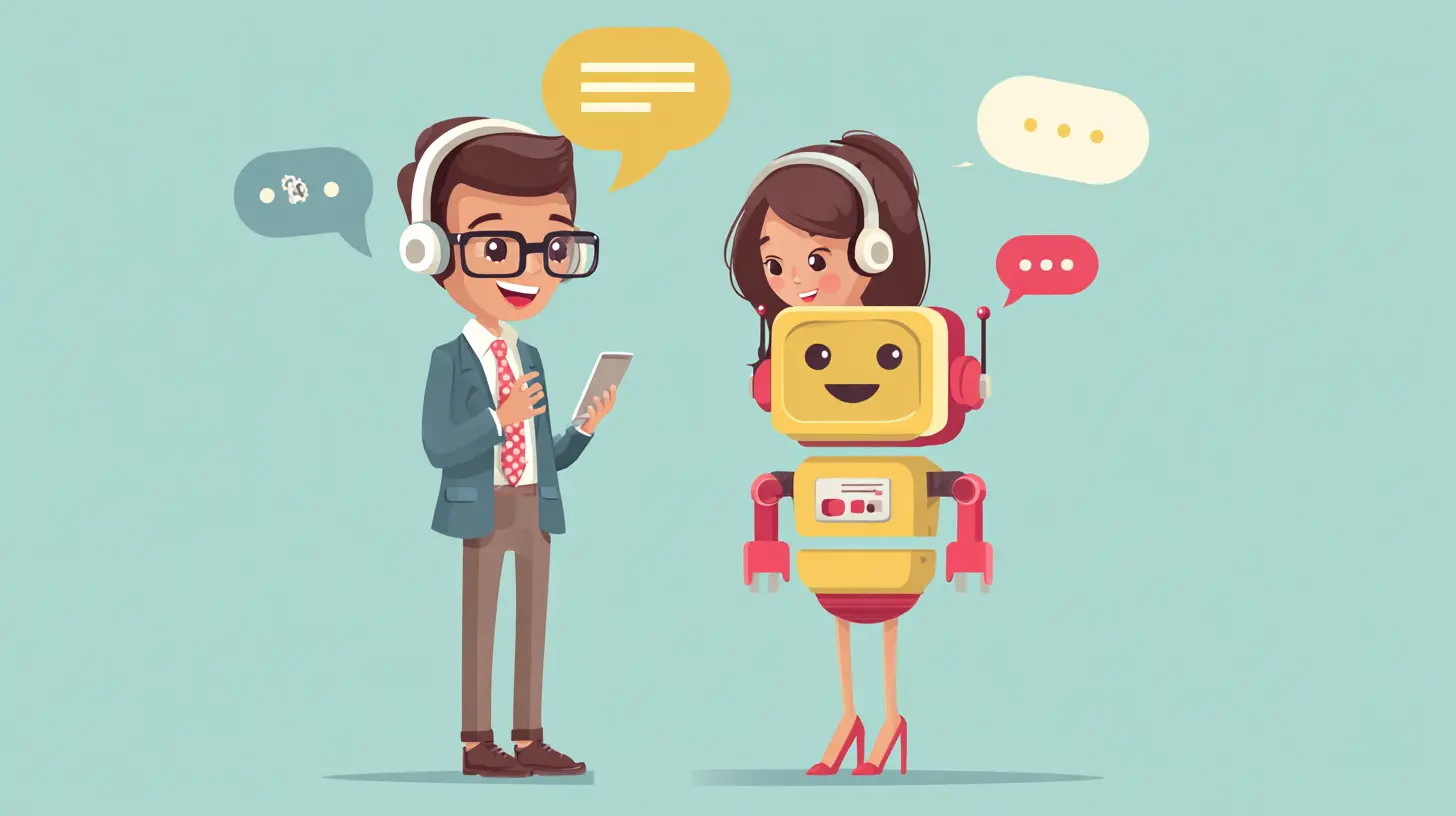
What Are Chatbots, Really?
Okay, let’s keep it simple. A chatbot is a software application designed to simulate conversation with human users, especially over the internet. Think of it as a virtual assistant that uses either rules (scripts and decision trees) or artificial intelligence (machine learning and natural language processing) to understand and respond to user queries.They can live on your website, inside messaging apps like Facebook Messenger or WhatsApp, and even on voice platforms like Alexa or Google Assistant. Their job? To answer questions, process requests, and guide users as quickly and smoothly as possible.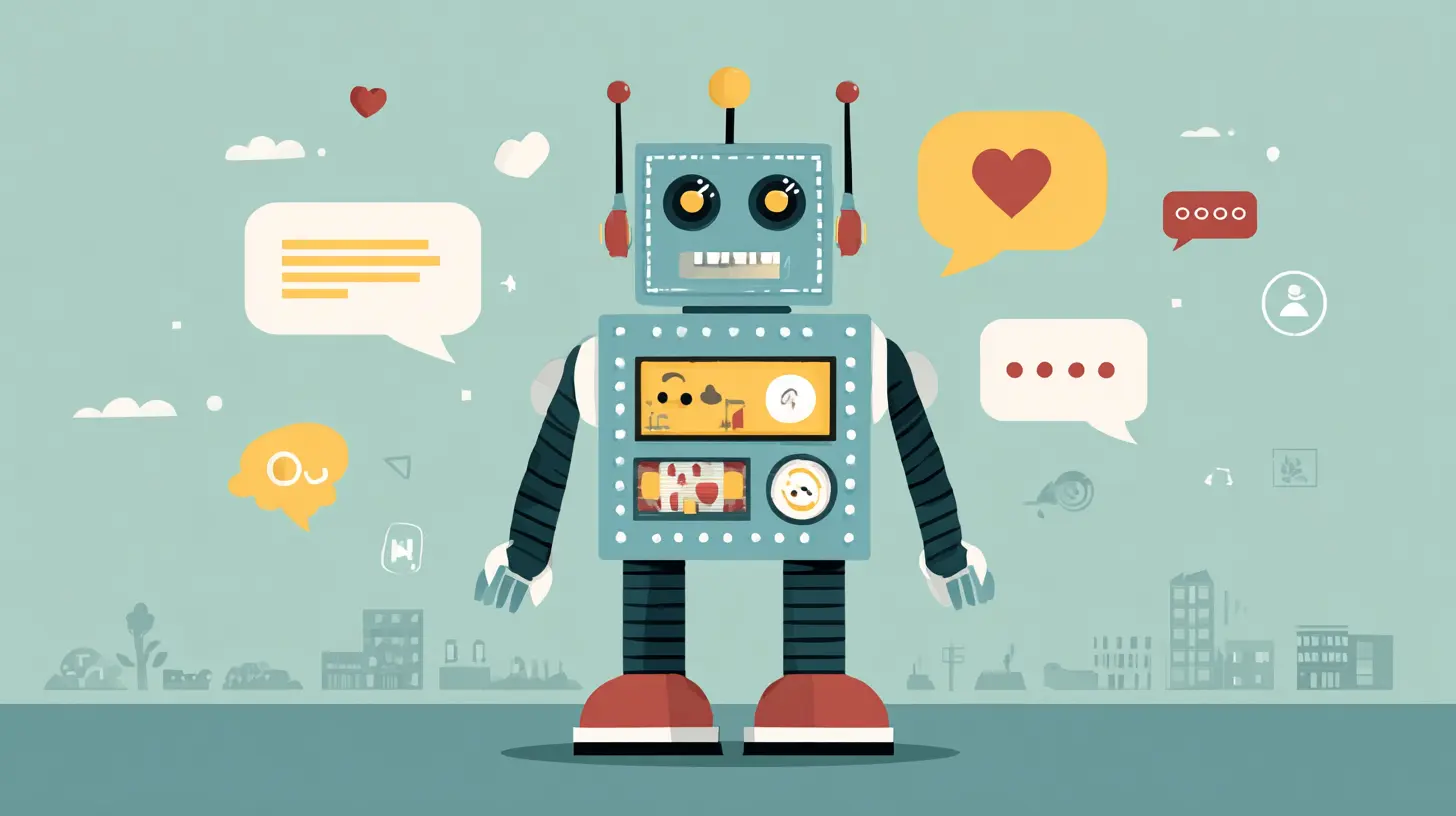
Why Are Chatbots Gaining So Much Traction?
Let’s be honest: we live in a fast-paced, convenience-driven world. If a customer doesn’t get an answer in seconds, there’s a good chance they’ll bounce to a competitor. That’s where chatbots shine. They’re the instant response team that never sleeps.Here’s why businesses are falling in love with them:
- Around-the-Clock Support: Chatbots don’t need sleep, coffee breaks, or sick days.
- Handle Volume Like a Champ: Whether it’s five customers or five thousand, they don’t break a sweat.
- Cost-Effective: One-time investment, long-term savings.
- Consistent and Error-Free Responses: Hello, brand consistency!
Chatbots vs. Human Support: Frenemies or Dream Team?
Hold up—does this mean customer service representatives are being replaced? Not quite.Think of it like this: chatbots handle the repetitive, low-level stuff (like checking order status or answering FAQs), while human agents jump in for high-touch, complicated issues. It’s a tag-team effort that actually makes the customer experience better for everyone.
Your customers get lightning-fast answers for simple questions, and your support team gets more time to focus on what they’re best at—solving real problems and creating meaningful interactions.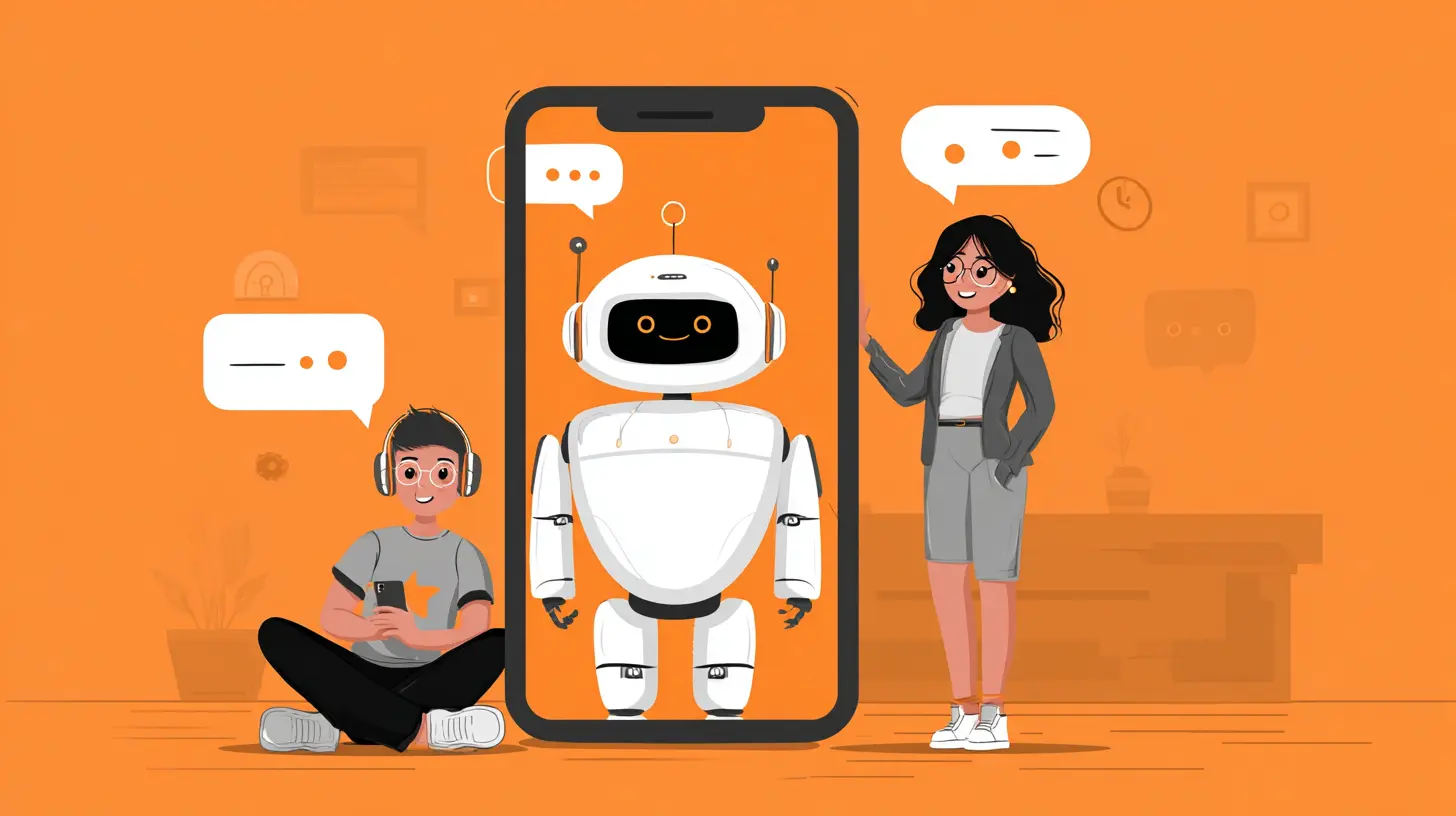
How Chatbots Enhance Customer Experience
Let’s unpack this in more detail. Great customer experience isn’t just about solving a problem—it’s about how you solve it. Chatbots can completely change the game in these key areas:1. Fast and Frictionless Responses
Nobody likes to wait. Have you ever sat on hold for 20 minutes only to be transferred three times? Frustrating, right?Chatbots slash that wait time to seconds. Whether it’s a simple greeting, an order update, or a troubleshooting tip, customers get help instantly. It's like having an express line for customer service.
2. Personalized Interactions at Scale
Thanks to AI and integration with CRM tools, chatbots can now access customer history, preferences, and previous interactions. That means they’re not just guessing—they know what your customer wants.“Hey Sarah! Looks like your last order was a size 7. Want to reorder the same sneakers?”
That’s next-level personalization, and it builds brand loyalty.
3. Multilingual and Multichannel Support
Global audience? No problem. Modern chatbots can speak multiple languages and operate seamlessly across platforms—whether your customer is on Facebook, WhatsApp, your website, or even on a mobile app.It’s like hiring a multilingual, omnipresent support rep without the hefty salary.
4. Seamless Handoffs to Human Agents
Smart chatbots don’t try to be heroes. When a situation is beyond their scope, they hand things off to human agents with all the context intact.No more repeating yourself to three different people. The agent already knows your issue and can jump straight into helping you out.
5. Proactive Engagement
Chatbots aren’t just passive responders—they can initiate conversations too. For example:- “Need help picking the perfect gift?”
- “Want 10% off your cart before you leave?”
- “Stuck? Let me guide you.”
This proactive engagement helps reduce drop-offs, boost conversions, and make customers feel truly seen.
Chatbots in Action: Real-World Use Cases
Want some proof? Let’s take a look at how real businesses use chatbots to level up their customer experience.E-commerce
Chatbots help with:- Product recommendations
- Order tracking
- Handling returns
- Reminders for abandoned carts
Result? Increased sales, reduced customer service load, and happier shoppers.
Travel and Hospitality
They:- Provide booking confirmations
- Help with flight status updates
- Handle common questions
- Offer location-specific tips
For travelers, it means less stress and more convenience.
Healthcare
Chatbots assist with:- Appointment scheduling
- Prescription reminders
- Answering common health queries
They help cut down wait times and make healthcare more accessible.
Banking and Finance
Customers can:- Check account balances
- Get quick transaction history
- Report lost cards
And all of that with top-notch encryption and security.
The Customer Engagement Boost
Let’s not forget the "E" word—Engagement. A chatbot doesn’t just sit there waiting for questions. It actively interacts with your audience, keeps them engaged, and gently nudges them toward action.Think of it as starting thousands of little conversations that could turn into purchases, signups, or loyal customers.
Chatbots and Lead Generation
Pop quiz: What’s more effective than a cold lead form? A warm, friendly conversation.Chatbots can collect user data in a non-intrusive, conversational way. Want to access a guide or download a freebie? Just answer a couple of quick questions via chat. Boom—your lead generation just got interactive.
Customer Retention and Loyalty
Chatbots don’t forget. They remember birthdays, preferences, past purchases—even if you don’t.Engaging chatbots send follow-up messages, offer loyalty rewards, and ask for feedback that helps you improve. It’s like having your own digital loyalty concierge.
Common Myths About Chatbots (And The Truth)
Let’s set the record straight on a few things.“Chatbots are impersonal.”
Not anymore. With the right setup, they feel like talking to a real person—minus the attitude.“They can’t handle complex questions.”
Basic bots, maybe. But AI-powered chatbots today can understand context, sarcasm, and even emojis 🧠💬“Customers don’t like them.”
Not true. When done right, most customers prefer chatbots, especially for simple tasks.How to Implement a Chatbot the Smart Way
Now that you’re excited (or at least chatbot-curious), here’s how to get started the right way:1. Define the Purpose
Are you looking to improve customer support? Boost sales? Generate leads? The purpose defines the flow and features of your bot.2. Choose the Right Platform
There are tons of options—Chatfuel, ManyChat, Drift, Intercom, Tidio, you name it. Choose based on your goals, tech stack, and budget.3. Map Out Conversations
Don’t just wing it. Plan the conversational flow. Think through possible questions, answers, and fallback options.4. Keep It Human
Use natural language. Add emojis, quirks, humor. Make it feel like a human interaction, not a robotic Q&A.5. Test and Optimize
Start small, test with real users, gather feedback, and tweak as needed. Chatbots get better with time and data.What’s Next for Chatbots?
We’re just getting warmed up. The future of chatbots includes more:- Voice capabilities
- Emotional intelligence (EQ bots)
- Hyper-personalization
- Integration with IoT devices
- Augmented reality customer support
Basically, we’re looking at a customer service future powered by a mix of empathy, AI, and automation.
Final Thoughts
Let’s face it—customers today want quick answers, personalized experiences, and seamless interaction. Businesses that can’t deliver risk falling behind.Chatbots are not just a trend; they’re a business necessity. They save time, reduce costs, and most importantly—they delight customers.
So, whether you’re running a startup or a global brand, adding the right chatbot to your customer experience strategy could be the smartest move you make this year.
all images in this post were generated using AI tools
Category:
Digital MarketingAuthor:

Susanna Erickson
Discussion
rate this article
2 comments
Greyson Garcia
Chatbots are revolutionizing customer interactions, blending efficiency with personalization. Embracing this technology not only enhances engagement but also fosters a stronger connection with your audience. The future is bright!
March 9, 2026 at 3:40 AM
Susanna Erickson
I completely agree. Chatbots are transforming how we connect with customers, making interactions more efficient and personal. It's exciting to see where this technology will take us next.
Flynn Mitchell
Great insights on the role of chatbots! They truly transform customer experience and engagement in today's digital landscape.
February 10, 2026 at 4:40 AM
Susanna Erickson
Thank you! I'm glad you found the insights valuable. Chatbots are indeed revolutionizing how businesses connect with customers.