Aligning Your B2C Marketing Strategy with Consumer Trends
27 August 2026
Let’s cut to the chase — the world of B2C marketing is moving at lightning speed. One week a trend is in, and the next, it's ancient history. But here's the thing: staying ahead of the curve isn't just "nice to have" anymore; it's a non-negotiable. If your marketing doesn’t match what consumers actually want right now, you're throwing money out the window.
So, how do you align your B2C marketing strategy with consumer trends without losing your mind (or your budget)? That’s exactly what we’re diving into today.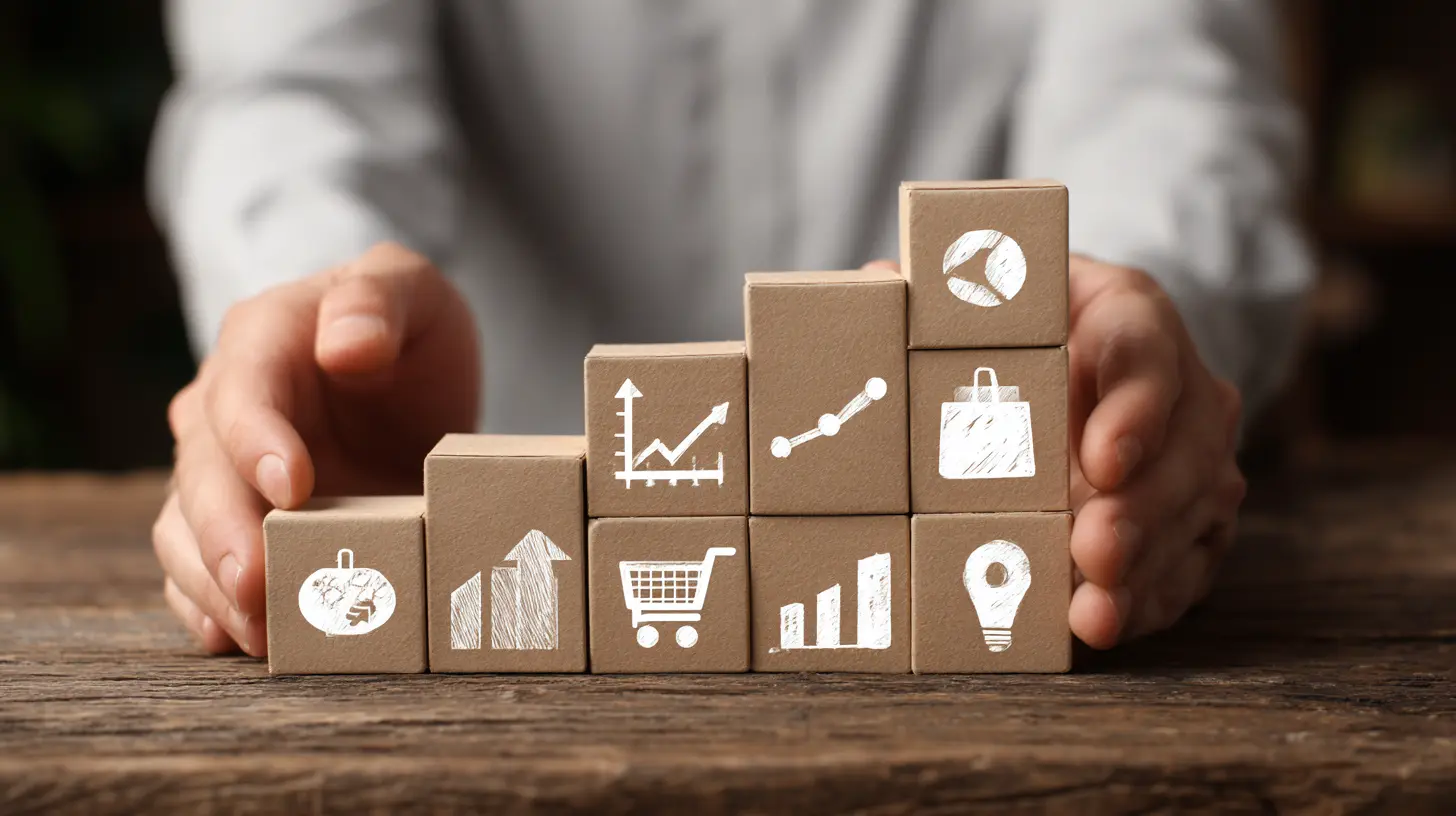
Why Keeping Up With Consumer Trends Really Matters
Picture this: you're selling flip phones in the age of smartphones. Not a great strategy, right? That’s what happens when your marketing is outdated. Trends aren’t just buzzwords—they reflect what your audience cares about. Miss the memo, and you risk becoming invisible in a world full of viral TikToks and personalized Instagram ads.When you tailor your strategy to align with what people are actually into, magic happens. You connect. You convert. You build loyalty.
And isn’t that what every brand dreams of?
1. Understand Who You’re Talking To — Deeply
You can’t align with consumer trends if you don’t know who your consumer is.Sure, you might know your demographic is “millennial moms” or “Gen Z gamers,” but that’s not enough. You need to dig deeper. What keeps them up at night? What makes them laugh (or roll their eyes)? What are they binge-watching?
Tips:
- Use social listening tools like Sprout Social or Hootsuite to find out what people are saying in real-time.- Comb through reviews, Reddit threads, and competitors’ comment sections—insights are everywhere.
- Conduct quick polls or surveys on your social channels. Ask questions. Get feedback.
The better you understand your customer’s mindset, the easier it is to ride alongside the trends they care about.
2. Personalization: Not Just a Buzzword, but a Must-Have
Look, nobody wants to feel like customer #403 in your database. People crave experiences that feel tailored to them.Whether it’s through email marketing, product recommendations, or targeted ads, personalization is no longer optional. It's expected.
Real-Life Example:
Think about how Spotify wraps your music history into that sweet little “Wrapped” campaign every year. It’s genius. It’s personal. And more importantly—it gets shared like wildfire.Action Step:
Use segmentation in your email marketing. Send special offers based on browsing behavior. Recommend products based on purchase history. Make them feel seen.
3. Keep It Omnichannel or Get Left Behind
People bounce from Instagram to your website to your physical store (if you have one), and they expect a seamless experience every step of the way.If your messaging on Facebook is completely different from what’s on your website, you're sending mixed signals. And that’s a recipe for confusion.
What to Do:
- Maintain brand tone, colors, and messaging across ALL platforms.- Invest in platforms that help unify customer data so every team is on the same page.
- Use retargeting ads to guide people who jumped ship back into the funnel.
Omnichannel isn't just a trend—it’s the new normal.
4. Embrace (Don’t Just Tolerate) User-Generated Content
You know what's more trustworthy than your ad? A happy customer showing off your product.User-generated content (UGC) is gold in the B2C marketing world. It’s authentic, cost-effective, and screams social proof.
Ask Yourself:
- Are your customers posting about your brand?- Are you featuring their content?
- Are you encouraging this behavior?
Quick Tip:
Create a brand-specific hashtag and mention it in your packaging, emails, and website. Feature top posts in your stories or feed.People love a moment in the spotlight, and it builds community like nothing else.
5. Lean Into Sustainability and Transparency
Consumers today are woke—and not in a trendy way. They care about what brands stand for. They read the fine print. They ask, “Where was this made?” and “How does this impact the environment?”If your brand isn’t being upfront or appears tone-deaf to sustainability issues, you're probably missing out on a massive chunk of your market.
Be Transparent:
- Show where your ingredients come from.- Share your sustainability goals.
- Own up to your mistakes (social media doesn’t forget, but it does forgive transparency).
Brands like Patagonia and Allbirds nailed this. They’ve turned sustainability into a core marketing message—and it works.
6. Ride Social Media Waves (Strategically)
Social trends move FAST. One moment everyone’s dancing on TikTok, the next they’re debating pineapple on pizza.Don’t jump on every bandwagon, but do stay alert. If there’s a trend that aligns with your brand identity, grab your surfboard and ride that wave.
Here’s What Works:
- Keep up with trends using platforms like TikTok Creative Center or Instagram’s Explore page.- Don’t overthink it—authentic content beats polished perfection every time.
- Jump on trending audio, memes, or challenges that naturally blend into your brand.
Just remember: relevance > randomness.
7. Mobile-First Is Mindset-First
Let’s face it, we're glued to our phones. So if your content isn't optimized for mobile, you're basically shutting the door on half your audience.From emails to landing pages to your main website—everything should look and feel amazing on a phone or tablet.
Must-Do Checklist:
- Fast load times (don’t make customers wait).- Simplified navigation menu.
- Clear CTAs (just one is fine—don’t overwhelm!).
- Clickable phone numbers or links.
Think mobile-first, always.
8. Make Data Your Sidekick
Your gut is great, but data? Data is your superpower.We’re talking analytics, heat maps, engagement rates, open rates—everything that tells the story behind the scenes. These metrics show what’s working, what’s tanking, and what’s ready for a glow-up.
Top Tools:
- Google Analytics (for website performance)- Hotjar or Crazy Egg (for user behavior)
- Klaviyo or Mailchimp (for email metrics)
Use the numbers. Let them guide your tweaks and major overhauls.
9. Video Content: The King of All Content Types
People love watching stuff. Whether it’s tutorials, behind-the-scenes, or unboxings—video content ranks better, gets more engagement, and boosts conversions like crazy.Best Ways to Use Video:
- Product demos or explainers- Customer testimonials
- Behind-the-scenes of how your stuff is made
- Day-in-the-life of your team
Keep it short, sweet, and to the point. You don’t need a film crew—just a good story and a phone with a camera.
10. Don’t Be Afraid to Show Personality
Customers don’t just buy products—they buy into brands. If your brand voice is colder than a robot's handshake, you're doing it wrong.Show up as someone real, someone likable. Be funny. Be honest. Be relatable.
Think Wendy’s Twitter account or Duolingo’s unhinged TikToks. Those brands have attitude—and people eat it up.
Try This:
- Use colloquial language.- Add emojis where it makes sense.
- Comment and interact like you're a human, not a corporate account.
Final Thoughts: It’s About Being Human
Aligning your B2C marketing strategy with consumer trends isn’t about hopping on every new fad. It’s about listening, understanding, and connecting on a human level.Stay curious. Stay flexible. And most importantly, stay real.
Because brands that genuinely get their customers—and evolve with them—are the ones that stick around.
all images in this post were generated using AI tools
Category:
B2c MarketingAuthor:

Susanna Erickson
Discussion
rate this article
2 comments
Thornefield Tucker
Great insights on adapting B2C strategies to shifting consumer trends. Staying in tune with customer preferences is key for driving engagement and building loyalty. Thanks for sharing!
September 12, 2026 at 4:34 AM
Marcus McClendon
This article offers valuable insights into adapting B2C marketing strategies to current consumer trends. Emphasizing flexibility and understanding evolving preferences can significantly enhance engagement. Implementing these ideas could lead to stronger connections with customers and improved overall results for businesses.
September 9, 2026 at 11:39 AM